Designing a compact living room requires a delicate balance between aesthetic appeal and everyday functionality. As we look toward 2026, interior design trends for small U.S. homes are shifting away from rigid minimalism toward adaptable, highly personalized spaces that prioritize comfort and sustainability. Whether you are furnishing a cozy urban apartment or a compact suburban starter home, the upcoming year introduces clever solutions that make limited square footage work harder without sacrificing style.
Maximizing a small layout is no longer just about choosing miniature furniture; it is about selecting smarter pieces that serve multiple purposes, utilizing vertical space creatively, and introducing lighting strategies that trick the eye. By leaning into these upcoming design directions, you can create a breathable, welcoming environment that feels intentional rather than cramped. Let us explore the key innovations shaping compact living room design in 2026.
The Evolution of Modular and Multi-Functional Furniture
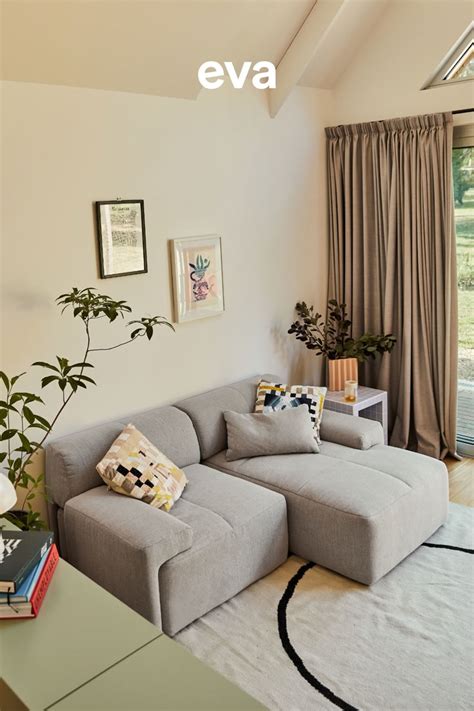
In 2026, furniture is shedding its single-purpose limitations. Modular seating systems and transformable tables are taking center stage in American living rooms, allowing homeowners and renters to reconfigure their layouts on the fly. Instead of buying a fixed sofa that dictates the entire flow of the room, modern dwellers are investing in sectional pieces that can be pulled apart, re-stacked, or expanded when guests arrive.
Hidden storage continues to be a non-negotiable feature in compact spatial planning. Coffee tables with lift-up tops that double as remote work desks, and media consoles built with concealed charging stations, help keep visual clutter out of sight. When evaluating multi-functional furniture for your own home, look for pieces with sturdy mechanical hinges and neutral upholstery that can adapt if you decide to move or change your color scheme later.
Tactile Color Palettes and Layered Lighting Strategies
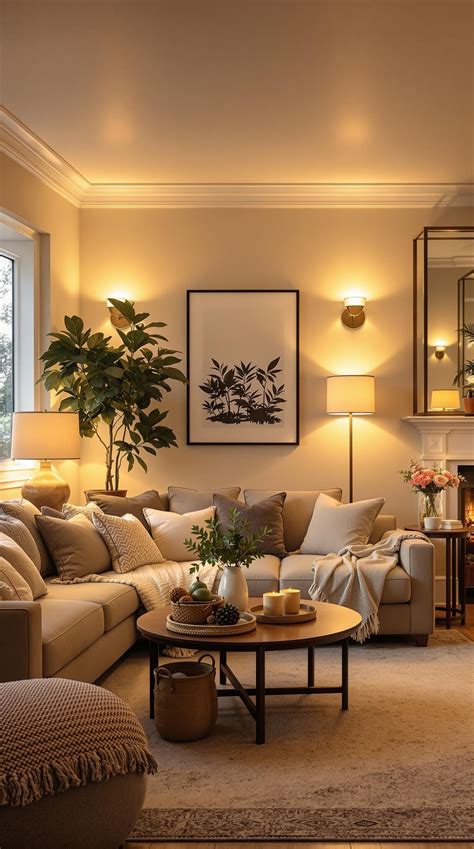
Color choices for small living rooms in 2026 are moving past stark, sterile whites into warmer, earth-grounded tones. Soft terracottas, muted olives, sandy beiges, and rich ochres are trending because they bounce natural light around the room while adding emotional warmth. These hues create an enveloping atmosphere that makes compact spaces feel cozy and sophisticated rather than boxy or unfinished.
Lighting design is also undergoing a quiet revolution, moving away from single overhead fixtures toward multi-layered illumination. Wall-mounted sconces that plug directly into outlets save precious floor space, while slim LED channel lighting tucked behind floating shelves adds depth and architectural interest. Combining dimmable floor lamps with directional task lighting allows you to alter the mood of the room instantly, making a small footprint feel expansive after sunset.
Seamless Smart-Home Integration and Sustainable Materials
Technology in 2026 is becoming invisible. Rather than cluttering your living room with bulky gadgets and tangled wires, smart-home integration focuses on flush-mounted climate controls, acoustic wall panels that double as modern art, and voice-activated audio systems built directly into lighting fixtures. For renters, wireless, peel-and-stick smart hubs offer a temporary way to automate lighting and entertainment without altering the property.
Sustainability is another defining pillar of modern interior design. Homeowners are increasingly turning toward certified reclaimed wood, organic linen textiles, and low-VOC paints that improve indoor air quality. In a small room, these natural textures do double duty: they reduce the chemical load of enclosed spaces while introducing rich tactile contrast that keeps minimalist designs from feeling cold or sterile.
Vertical Space Maximization and Architectural Styling
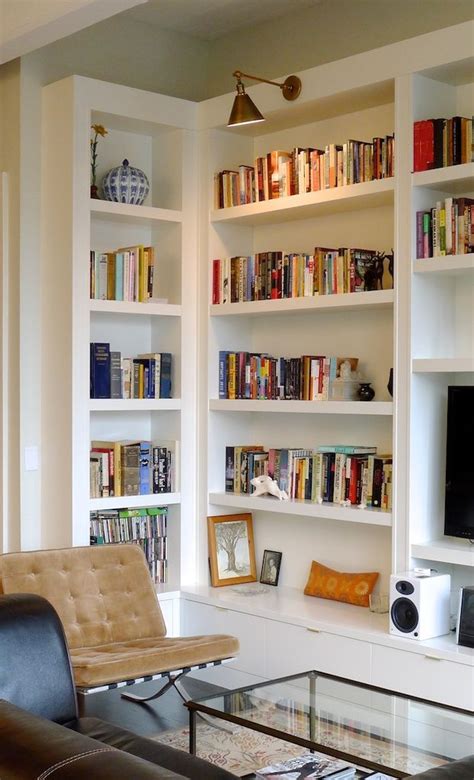
When floor space is severely limited, looking upward is the most effective strategy in your design toolkit. Tall, slender shelving units that draw the eye toward the ceiling create a grander sense of scale in standard-height American apartments. Incorporating floor-to-ceiling drapery panels hung just beneath the crown molding rather than directly on the window frame creates an optical illusion of expansive windows and soaring walls.
Curating your vertical displays requires restraint to avoid a cluttered look. Instead of filling every inch with knick-knacks, balance functional storage with intentional breathing room. Use upper shelves for seasonal items or less frequently used books, keeping the lower eye-level shelves clear for curated art pieces or trailing greenery that brings life into the center of the room.
Frequently Asked Questions
What are the best colors to make a small living room look bigger in 2026?
Warm neutrals, soft earth tones like sandy beige, muted sage, and warm terracotta are trending for 2026. These colors reflect natural light effectively while adding depth and coziness, preventing the room from feeling stark or cold.
How can renters incorporate 2026 design trends without damaging walls?
Renters can embrace these trends by using plug-in wall sconces, modular furniture that requires no permanent installation, freestanding vertical shelving units, and peel-and-stick smart home hubs or acoustic panels.
What is the most important furniture feature for small living rooms?
Multi-functionality is crucial. Look for pieces that offer hidden storage, such as storage ottomans, lift-top coffee tables, and modular sofas that adapt easily to different room layouts and social gatherings.


