Furnishing a home or apartment often feels like a financial juggling act, especially when you want your space to reflect a polished, intentional design aesthetic. Many renters and homeowners face the dilemma of choosing between cheap flat-pack items that lack longevity and expensive designer pieces that stretch bank accounts to their limits. Finding affordable and stylish furniture deals requires a shift in strategy. Instead of looking at furniture shopping as a frantic, all-at-once purchasing event, approach it as a curated process that combines smart timing, material awareness, and creative styling techniques to achieve a high-end look on a realistic budget.
Creating a beautiful interior environment does not require an unlimited budget, but it does demand patience and a clear plan. By understanding how retail sales cycles work, prioritizing which rooms or items need immediate investment, and knowing how to elevate simpler pieces with textiles or hardware, you can build a cohesive home over time. This approach prevents impulse purchases of trendy items that quickly go out of style and instead encourages building a foundation of versatile, durable furniture that adapts to your lifestyle shifts.
Where to Find Quality and Value in the US Market
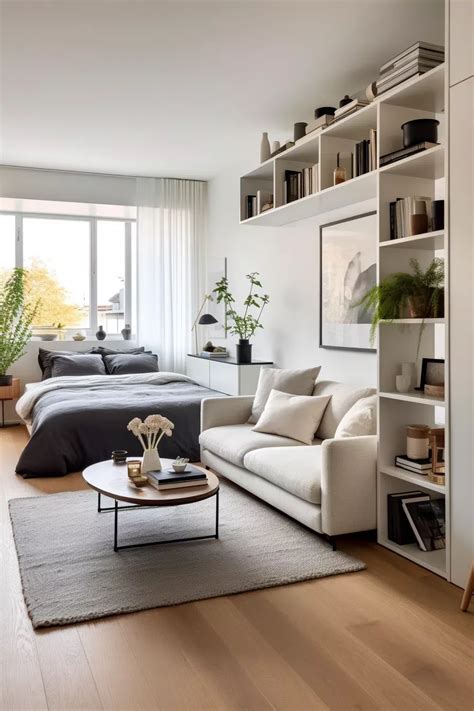
Navigating the vast landscape of American furniture retailers can be overwhelming. The key is looking beyond big-box department stores and exploring specialized outlets, clearance centers, online-only brands with transparent supply chains, and local independent shops. Many regional furniture warehouses host weekend clearance events where floor models or minorly scratched items are sold at a fraction of their retail value. When shopping online, look for retailers that provide detailed material specifications rather than vague descriptions like manufactured wood, ensuring you know whether you are buying solid pine, sturdy plywood, or fragile particle board.
Another excellent avenue for budget-conscious decorators is exploring local estate sales, curated vintage markets, and trusted online secondhand platforms. Older furniture pieces often feature superior joinery and solid wood construction compared to modern mass-produced alternatives. Even if the finish is dated or scratched, a simple sanding and a fresh coat of paint or wood oil can transform a modest second-hand find into a stunning focal point. Balancing new foundational items, such as a comfortable sofa or mattress, with character-rich pre-owned accent tables creates a layered, personalized interior that feels collected rather than showroom-matched.
Timing Your Purchases for Maximum Savings
Patience is one of the most powerful financial tools in interior design. Major furniture retailers operate on predictable markdown schedules tied to inventory arrivals and national holiday weekends. In the United States, the best times to find deep discounts on major pieces include President’s Day, Memorial Day, the Fourth of July, Labor Day, and Black Friday. Additionally, furniture manufacturers typically release new inventory lines twice a year, usually in February and August. In the weeks just prior to these rollouts, retailers aggressively slash prices on current stock to clear floor space, presenting prime opportunities for savvy shoppers.
Beyond holiday weekends, keep an eye on end-of-season clearances for outdoor living sets and seasonal textiles. Buying patio furniture in late autumn or rugs and heavy blankets in early spring often yields clearance discounts of fifty percent or more. When you monitor pricing over several weeks before making a purchase, you avoid falling for deceptive promotional sales and gain a clear understanding of what a fair, genuinely discounted price looks like for the item you need.
Mixing High and Low Elements for a Cohesive Aesthetic
A common misconception is that an entire room must come from the same collection or price tier to look sophisticated. In reality, mixing high and low pieces adds depth and authenticity to a room. Invest a slightly larger portion of your budget in high-impact, high-use items that you interact with daily, such as an ergonomic desk chair or a comfortable, durable sofa frame. Then, balance these foundational investments with budget-friendly accent pieces like side tables, decorative pillows, and minimalist wall art.
When budget-friendly pieces are paired with quality anchor items, the eye naturally reads the entire space as elevated. For instance, a budget bookshelf can look remarkably high-end when it is styled intentionally with books, curated ceramics, and proper lighting, rather than being overcrowded with plastic bins. Paying attention to scale, proportion, and color harmony matters far more than the price tag attached to each individual item in your room.
Frequently Asked Questions
When is the best time of year to buy furniture on sale?
The best times to buy furniture on sale in the US are around major holiday weekends such as President’s Day, Memorial Day, Labor Day, and Black Friday. Additionally, shopping right before new inventory releases in February and August helps you secure deep clearance discounts on current floor stock.
How can I make cheap furniture look more expensive?
You can upgrade budget furniture by replacing standard factory hardware with modern brass or matte black pulls and knobs. Adding styling accessories like woven baskets, high-quality textiles, statement lamps, and books also draws attention away from basic construction and elevates the overall look.
What should I prioritize when buying furniture on a tight budget?
Always prioritize items that impact your physical comfort and daily well-being, such as a supportive mattress and a sturdy sofa. For decorative pieces and case goods like nightstands or bookshelves, you can safely opt for lower-cost alternatives or second-hand finds.


