A living room makeover does not require knocking down walls, replacing custom flooring, or emptying your savings account. Often, the most breathtaking transformations come from targeted, strategic updates that shift how light moves through the space, how textures interact, and how furniture serves your daily life. Whether you live in a suburban house or an urban rental apartment, focusing on high-impact areas allows you to completely redefine the mood and visual weight of your main living space without embarking on a chaotic construction project.
When planning a refresh, the secret lies in addressing both functional comfort and visual balance. By updating elements like overhead fixtures, window coverings, surface styling, and textile weights, you can build a layered environment that feels intentionally designed rather than hastily assembled. The following six practical strategies offer a reliable roadmap to a stunning living room upgrade, keeping both aesthetic appeal and realistic execution in mind.
1. Layer Ambient and Task Lighting to Banished Harsh Shadows
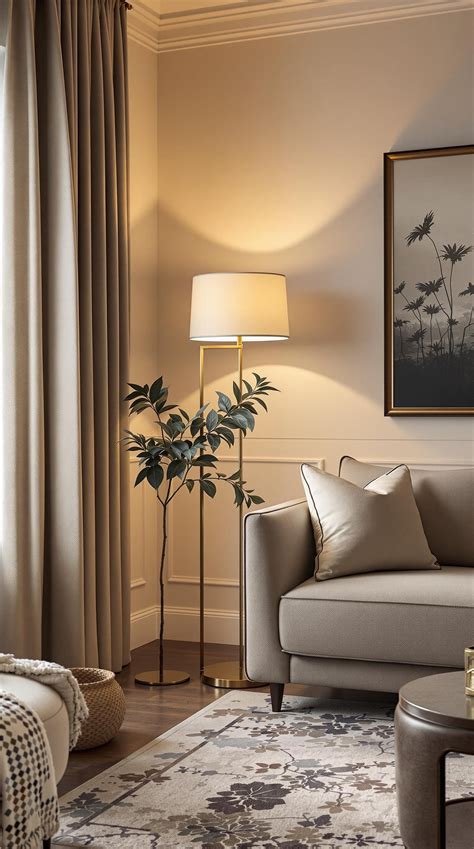
Overhead lighting alone rarely creates a welcoming atmosphere in a living room. Relying entirely on a single ceiling fixture often casts harsh shadows and flattens the room’s dimensional qualities. To achieve a high-end designer look, transition toward a layered lighting scheme that incorporates multiple sources at different heights throughout the room.
Combine floor lamps in dark corners, table lamps on sideboards or media consoles, and perhaps a dimmable overhead fixture or picture lights to highlight artwork. Swapping standard bulbs for warm color temperatures—typically between 2700K and 3000K—instantly makes the space feel cozier and more inviting. If you are renting and cannot hardwire new fixtures, plug-in wall sconces equipped with rechargeable bulbs offer a brilliant workaround that requires zero electrical work.
2. Redefine Wall Presence with Paint, Color, or Peel-and-Stick Wallpaper
Walls occupy the largest visual surface area in any living room, making them the most effective canvas for dramatic change. While a complete coat of fresh paint is the classic route, you do not always need to paint the entire room to make a significant statement. Introducing a moody accent wall behind your sofa or television can anchor the furniture and add immediate architectural depth.
For renters or those hesitant about permanent paint decisions, high-quality peel-and-stick wallpaper provides an exceptional alternative. Modern removable wallpapers feature sophisticated textures and rich patterns that mimic traditional grasscloth, subtle geometrics, or classic florals without damaging drywall upon removal. When applying wall treatments, always consider how natural light hits the surface during different times of the day, as lighter hues expand small rooms while darker shades wrap the space in intimacy.
3. Anchor the Room with Strategic Textile Layering

Textiles introduce softness, warmth, and acoustic balance to a room filled with hard surfaces like wood floors, glass coffee tables, and television screens. A common mistake in living room decor is choosing an area rug that is too small, which visually chops up the floor plan and makes the room feel cramped. Aim for a rug large enough so that at least the front legs of your primary seating pieces rest comfortably on its surface.
Beyond the floor, build richness through pillows and throws by varying your fabrics rather than matching everything to a single color scheme. Mix heavy woven wools, smooth linens, plush velvets, and textured cottons to create tactile interest. This deliberate layering prevents the room from looking flat and gives the space a lived-in, curated elegance that feels approachable yet polished.
4. Upgrade Window Treatments to Soften Edges and Maximize Height
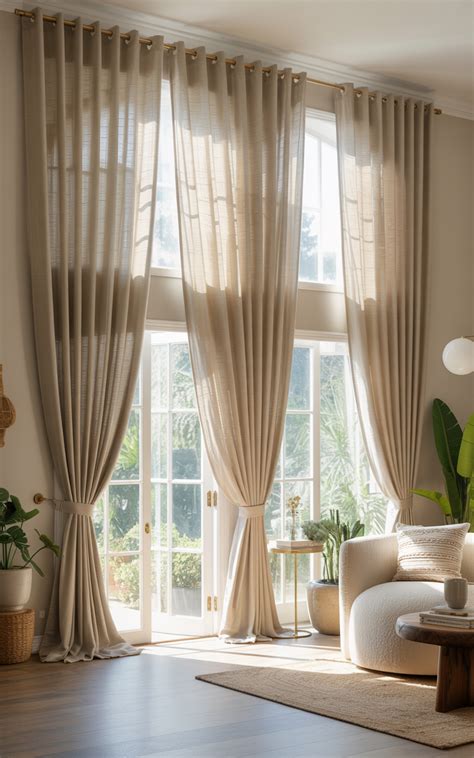
Bare windows or flimsy plastic blinds can instantly cheapen the look of an otherwise well-decorated living room. Upgrading your window treatments is one of the most effective ways to elevate the overall architecture of the room, drawing the eye upward and making ceilings appear higher than they actually are.
Mount your curtain rods several inches above the window frame—and closer to the ceiling if possible—rather than right at the top of the window trim. Select floor-length drapes in natural fibers like linen, cotton, or heavy velvet that gently puddle or graze the floor. Pairing sheer curtains underneath opaque panels allows you to diffuse harsh daytime glare while maintaining privacy, creating a soft, filtered glow throughout the afternoon.
5. Rearrange Furniture for Better Traffic Flow and Focal Points
Before buying any new decor items, take a critical look at your current furniture arrangement. Pushing every sofa and armchair directly against the perimeter walls is a common layout trap that creates a dead zone in the middle of the room and makes conversation awkward.
Pull your seating inward to create a more intimate conversation cluster, ensuring that pathways remain clear for easy movement around the room. Establish a clear focal point—whether that is a fireplace, a large window view, or a thoughtfully styled media unit—and arrange your primary seating to face it. If space permits, floating the sofa away from the wall with a slim console table placed behind it instantly injects professional interior design polish into the layout.
6. Curate Surface Styling with Intentional Decor Objects
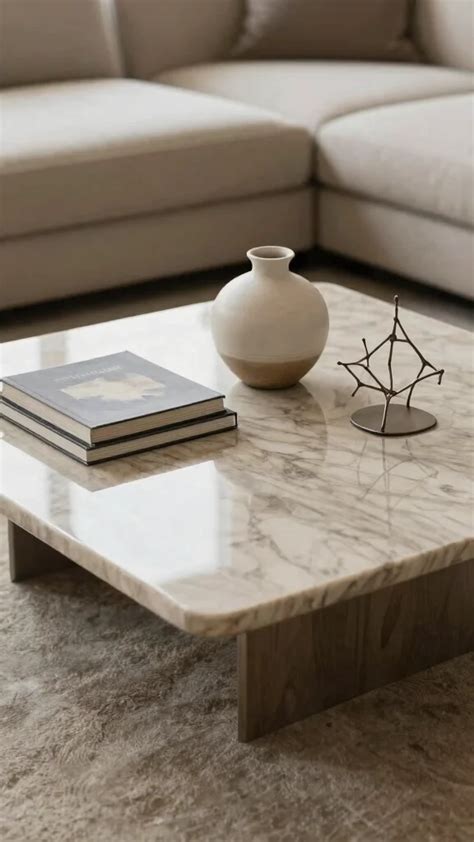
The final step in a successful living room makeover involves styling surfaces like coffee tables, bookshelves, and sideboards. Avoid cluttering surfaces with dozens of small, disconnected trinkets. Instead, curate collections based on varied heights, contrasting materials, and meaningful personal items.
Group objects in odd numbers—trios usually look the most natural—and combine items like stacked books, ceramic vases, sculptural trays, and organic elements such as dried branches or potted plants. Leaving some negative space empty on your coffee table or shelves is just as important as the items you display, allowing the eye to rest and preventing the room from feeling chaotic or over-styled.
Frequently Asked Questions
What are the highest-impact living room upgrades for a budget?
Lighting changes, rearranging furniture to improve flow, and upgrading textiles like area rugs and throw pillows offer the highest visual return on investment for minimal financial outlay.
How can I make my living room look more expensive?
Hang floor-length curtains high and wide, choose a generously sized area rug, eliminate clutter through intentional surface styling, and incorporate warm, layered lighting sources instead of relying on a single overhead light.
Are there renter-friendly ways to update living room walls?
Yes. Peel-and-stick wallpaper, large-scale framed art hung with heavy-duty command strips, and plug-in wall sconces provide stunning wall transformations without leaving permanent damage.


