Designing a minimalist living room is rarely about stripping your home of personality or living in an uncomfortably sterile environment. Instead, true modern minimalism focuses on intentional curation, highlighting architectural lines, and giving every single piece of furniture or decor a distinct purpose. Whether you are working with a compact urban apartment or an open-concept suburban layout, embracing a simplified design approach creates a visually calming environment that reduces daily stress.
Achieving this balance requires careful attention to spatial flow, color theory, and material selection. By focusing on quality over quantity, you can craft a sophisticated living area that feels breathable, inviting, and effortlessly stylish. The following curated strategies explore color palettes, furniture selection, lighting techniques, and textural layers to help you build a cohesive space tailored to your lifestyle.
Foundational Color Palettes for a Clean Aesthetic
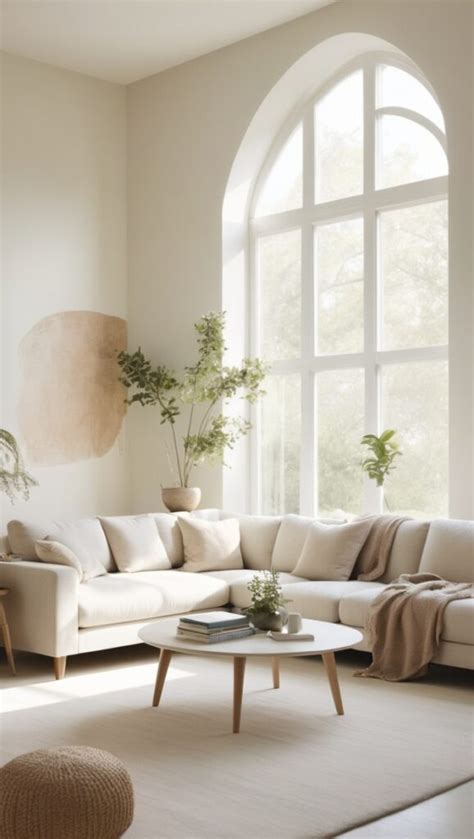
The color palette serves as the canvas for your minimalist living room. Monochromatic schemes, soft neutrals, and warm earth tones help bounce natural light around the room while visually expanding smaller floor plans. When the background remains restrained, your architectural details and carefully chosen focal points take center stage.
1. Warm Alabaster and Soft Ivory Walls
Replacing stark brilliant white with warm alabaster or soft ivory instantly introduces a welcoming atmosphere. These undertones prevent the room from feeling clinical while maintaining the bright, reflective quality required to make compact spaces feel significantly larger and more open.
2. Monochromatic Layering with Greige and Charcoal
Layering shades of greige, taupe, and deep charcoal adds subtle depth without introducing distracting color clashes. Painting your baseboards the same color as the walls creates a seamless envelope that calms the eye and blurs spatial boundaries.
3. Subtle Earthy Undertones
Incorporating muted clay, soft sand, or pale olive into your textile choices brings nature indoors. These subdued hues ground the room and provide a gentle transition between wooden elements and crisp white surfaces.
Low-Profile and Functional Furniture Selection
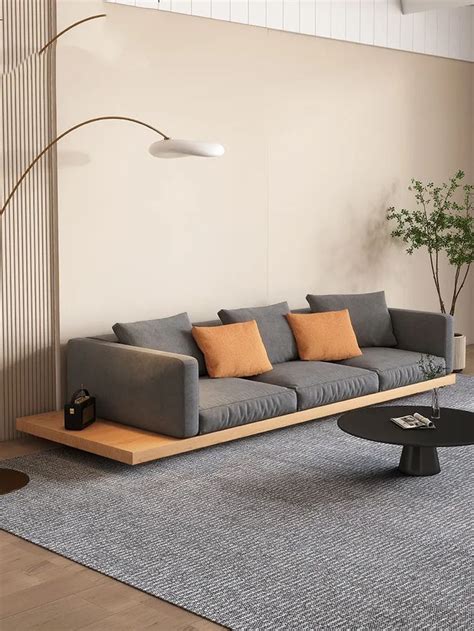
Furniture in a minimalist setting should prioritize human scale and architectural harmony. Bulky, ornate pieces often overwhelm a room, whereas low-profile silhouettes maintain uninterrupted lines of sight across the floor plan, making the entire living area feel more expansive.
4. Streamlined Low-Profile Sofas
A sofa with clean track arms and low backrests keeps sightlines open, particularly if your living room flows directly into a dining area or kitchen. Selecting durable performance fabrics in solid neutral weaves ensures longevity and effortless maintenance.
5. Multi-Functional Storage Ottomans
Concealed storage is essential for maintaining a clutter-free aesthetic. A tailored storage ottoman serves as a footrest, extra seating, and a hidden repository for throw blankets, remote controls, and children’s toys.
6. Floating Media Consoles
Mounting your media console directly to the wall clears the floor underneath, which dramatically simplifies cleaning and tricks the eye into perceiving a wider room. Keep electronics tucked away inside closed cabinets to maintain visual quiet.
Illumination and Maximizing Natural Light
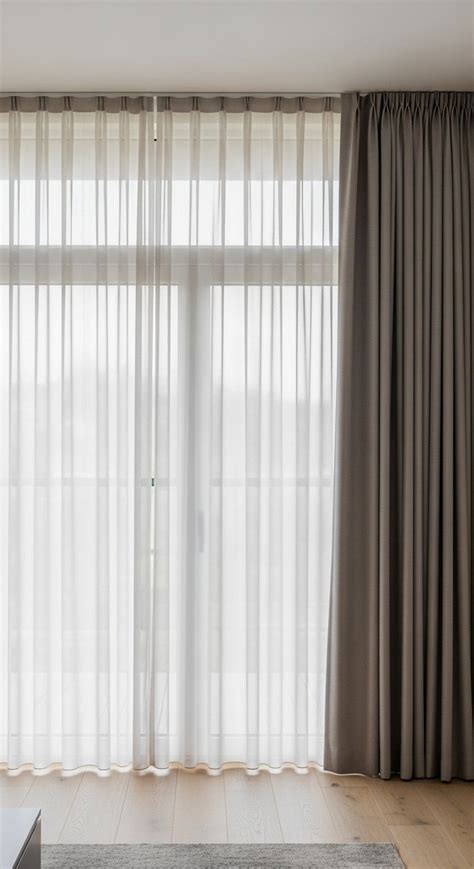
Lighting acts as a critical design element in minimalist interiors, defining mood and accentuating negative space. Relying primarily on natural light during the day and layering warm, architectural fixtures at night ensures the room feels cozy rather than stark after dark.
7. Sheer Linen Window Treatments
Heavy velvet or patterned drapes can block precious daylight. Swap them out for lightweight, sheer linen panels that diffuse incoming sunlight softly while adding delicate organic texture to the windows.
8. Recessed and Architectural Lighting
Instead of relying on a single overhead fixture, integrate dimmable recessed lighting or sleek track heads. This allows you to highlight specific zones, such as a reading nook or a blank wall, without cluttering the ceiling plane.
9. Sculptural Floor Lamps
Introduce a minimalist floor lamp with a matte black or brushed brass finish as a functional piece of art. Position it beside your main seating area to cast a warm pool of light during evening hours.
Texture and Intentional Decor Styling
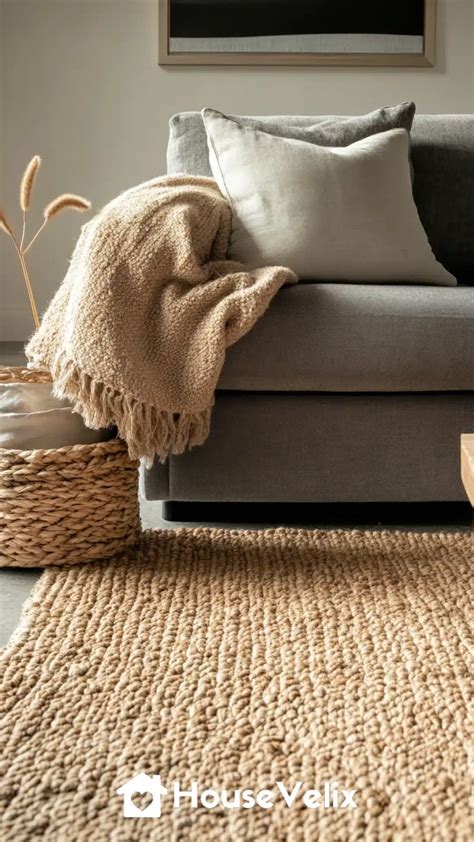
Because minimalist rooms feature fewer objects, every single item must earn its place through exceptional craftsmanship or tactile appeal. Mixing materials like raw wood, boucle, ceramic, and brushed metal prevents a neutral space from feeling flat.
10. Large-Scale Statement Artwork
Avoid cluttering your walls with multiple small frames. A single large-scale abstract painting or a serene landscape photograph creates a sophisticated focal point and establishes an instant sense of proportion.
11. Tactile Natural Textures
Introduce tactile richness through unpolished wood coffee tables, woven jute rugs, and chunky knit throw blankets. These organic elements inject warmth and comfort, proving that minimalism can be deeply cozy and inviting.
Ultimately, transitioning to a minimalist living room is an ongoing journey of intentional editing rather than a strict design formula. By carefully selecting pieces that serve your daily life and letting go of unnecessary visual clutter, you can cultivate a home environment that feels both deeply personal and wonderfully serene.
Frequently Asked Questions
How can I make my small living room look minimalist?
To make a small living room feel minimalist, focus on vertical space, choose low-profile furniture with visible legs, and strictly limit tabletop decor. Keeping floors clear and utilizing hidden storage solutions will instantly maximize your available square footage.
What colors work best for a minimalist living room?
Soft neutrals such as warm white, ivory, beige, greige, and soft earth tones work best. These colors reflect natural light, create a unified background, and allow architectural features or statement textures to stand out without visual distraction.
How do I achieve a minimalist look without making the room feel cold?
You can prevent a minimalist room from feeling cold by layering organic textures. Incorporate natural wood grains, raw linen, wool rugs, leather accents, and warm-toned lighting to introduce physical and visual warmth.
What kind of furniture is essential for a minimalist living space?
Essential pieces include a streamlined sofa, a simple coffee table made of natural materials, and functional storage units like floating consoles or closed cabinets that keep everyday items completely out of sight.


