When designing a contemporary living room, the ultimate goal is to strike a delicate balance between a polished, editorial aesthetic and a genuinely comfortable home environment. Many homeowners struggle with spaces that look stunning in photographs but feel stark, cold, or intimidating in daily life. Achieving a truly welcoming contemporary interior requires thoughtful layering, intentional furniture choices, and an appreciation for how texture and lighting interact with clean architectural lines.
Contemporary design is fluid, drawing from current innovations while respecting timeless elements of comfort and function. By integrating soft textiles, organic wood tones, and sophisticated layout strategies, you can transform a sterile box into a sanctuary of modern style. Here is a curated exploration of contemporary living room design concepts designed to help you shape a sleek yet deeply inviting space.
Understanding Contemporary vs. Modern Style
While often used interchangeably in casual conversation, contemporary design and mid-century or strict modern design have distinct characteristics. Modern style refers to a specific historical period spanning the early to mid-twentieth century, characterized by earthy palettes, molded plywood, and distinct structural forms. Contemporary style, by contrast, is living and breathing in the present moment. It embraces whatever is current, featuring fluid lines, innovative materials, and a dynamic approach to space.
The beauty of a contemporary living room lies in its adaptability. It borrows the best elements of minimalism, industrial design, and Scandinavian coziness to create an uncluttered backdrop for daily living. Understanding this distinction helps you curate pieces that feel fresh and relevant without locking your home into a rigid historical epoch. You have the freedom to mix a sleek glass coffee table with a deeply plush, oversized sectional, creating an eclectic harmony that defines today’s best interior spaces.
Balancing Sleek Architecture with Tactile Warmth
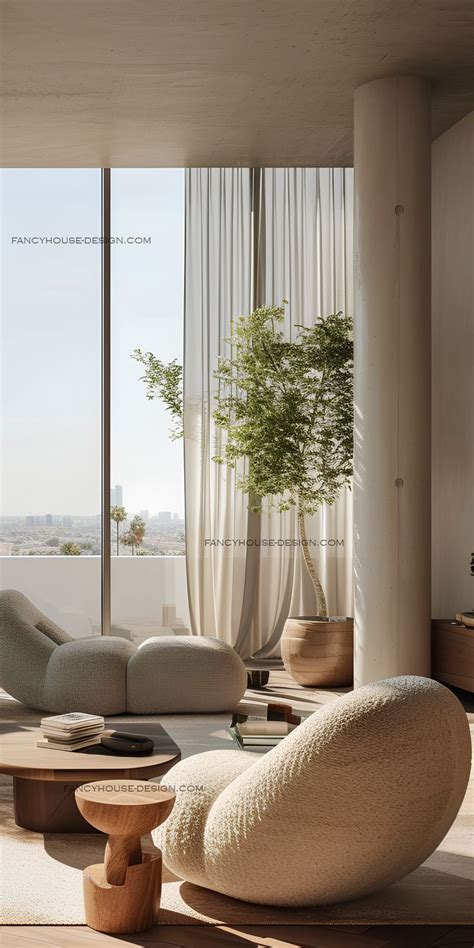
One of the most effective ways to prevent a contemporary living room from feeling like a sterile art gallery is to introduce rich, tactile materials that invite touch. Sleek surfaces such as polished concrete floors, steel-framed windows, and glossy lacquered cabinetry provide the architectural backbone of a contemporary room. To balance these hard finishes, incorporate heavy bouclé upholstery, raw-edge wooden accent tables, and thick wool rugs that soften the acoustics and visuals of the space.
Layering textiles is an interior designer’s secret weapon for warming up minimalist architecture. Consider draping a coarse linen throw over a smooth leather sofa, or placing a vintage jute rug beneath a streamlined, low-profile coffee table. These contrasting textures create visual depth, tricking the eye into perceiving the room as cozy and dynamic rather than flat and austere. By thoughtfully pairing hard and soft elements, you build a sophisticated environment that remains wonderfully hospitable for family movie nights and social gatherings alike.
Lighting Strategies for Modern Living Spaces
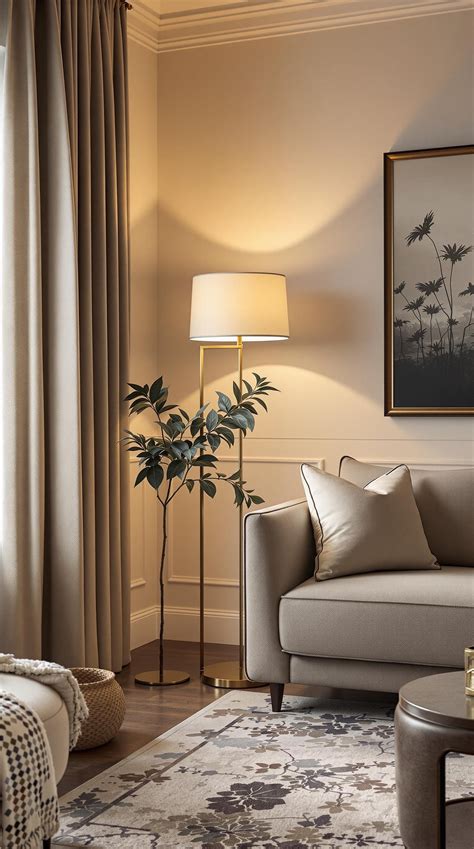
Lighting in a contemporary living room goes far beyond a single overhead fixture; it acts as a sculptural element and a mood-setting tool. Contemporary design favors clean-lined architectural lighting, such as recessed perimeter tracks, minimalist track heads, and integrated LED strips beneath floating media consoles. However, relying solely on architectural lighting can leave a room feeling clinical. To maintain a welcoming atmosphere, layer in ambient and task lighting through sculptural floor lamps, ceramic table lamps with linen shades, and dimmable wall sconces.
Maximizing natural light is another hallmark of contemporary living room design. If your space permits, keep window treatments minimal—perhaps sheer motorized roller shades or unlined linen panels that pool softly on the floor. Natural light interacts dynamically with smooth surfaces, metallic accents, and polished stones throughout the day, ensuring the room feels alive and constantly evolving as the sun shifts.
Curating Minimalist Furniture and Open Layouts
Furniture selection in a contemporary living room prioritizes clean silhouettes, functional versatility, and proportion. Instead of filling every corner with furniture, contemporary layouts emphasize breathing room and effortless traffic flow. Choose statement pieces with low profiles that do not obstruct sightlines, especially in open-concept homes where the living room flows directly into the dining area or kitchen. A sofa with slender track arms and exposed metal or wooden legs feels lighter and more airy than a bulky, traditional overstuffed couch.
Strategic placement is just as important as the furniture itself. Avoid pushing every single seating piece against the walls; floating your main seating group in the center of the room encourages conversation and creates a more intimate zone. Supplement your primary sofa with versatile seating options, such as a pair of sleek leather armchairs or an upholstered ottoman that can double as extra seating or a makeshift coffee table when topped with a sturdy wooden tray.
Incorporating Color Accents and Organic Elements
Color palettes in contemporary living rooms typically start with a serene, sophisticated neutral foundation—think warm white, soft greige, charcoal, or deep taupe. Against this restrained backdrop, you can introduce curated color accents through abstract art, throw pillows, and ceramic accessories. Terracotta, olive green, rust, and muted indigo are current favorites that add personality without overwhelming the calm visual flow of the room.
Bringing the outdoors inside is another essential strategy for warming up a sleek design. Large-scale botanical elements, such as a potted fiddle-leaf fig, a sculptural snake plant, or a pruned olive tree in a matte ceramic pot, introduce organic irregularity that contrasts beautifully with strict geometric lines. Similarly, incorporating raw stone surfaces, travertine side tables, or unpolished marble mantelpieces grounds the contemporary aesthetic in the tangible beauty of the natural world.
Frequently Asked Questions
What makes a living room contemporary?
A contemporary living room features current design trends defined by clean lines, functional layouts, neutral foundations balanced with deliberate color accents, and a mix of innovative and natural materials.
How do I make a sleek living room feel warm and welcoming?
You can add warmth to a sleek living room by layering tactile textiles like bouclé, wool, and linen, incorporating natural wood tones, using warm ambient lighting, and adding indoor plants.
What furniture pieces work best in a contemporary living room?
Low-profile sofas with clean track arms, minimalist coffee tables made of glass, wood, or stone, and versatile accent chairs with exposed legs work best to maintain an airy, uncluttered feel.


