Creating a living space that feels grounded, warm, and rich in character often starts with anchor furniture pieces. When you want to cultivate an atmosphere steeped in history and comfort, selecting the right foundational tables matters immensely. A 3-piece solid wood coffee table set provides an effortless way to establish visual continuity throughout your main seating area, offering both a central coffee table and two coordinating end tables.
Rather than hunting for disparate vintage items that may clash in height, scale, or timber tone, investing in a matching set crafted from genuine hardwood guarantees structural harmony. However, the secret to making a coordinated set feel authentically vintage rather than like a sterile furniture showroom display lies in thoughtful spatial planning and intentional styling. By understanding material quality, arrangement principles, and decorative layering, you can build a timeless room design that honors traditional craftsmanship while supporting modern daily life.
Understanding the Anatomy and Value of a 3-Piece Set
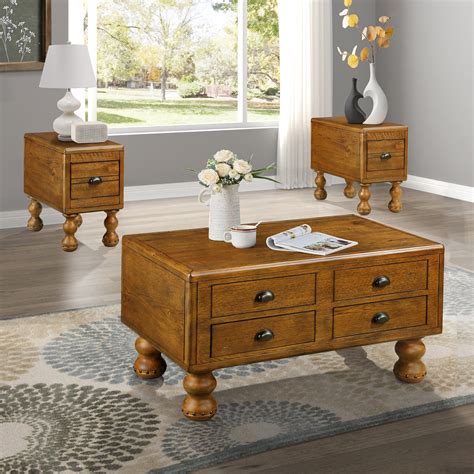
A standard 3-piece living room table collection typically features one large central coffee table accompanied by two matching end tables, sometimes referred to as side tables. This triad layout provides a balanced distribution of surface area across your seating zone, making it exceptionally functional for everyday living. The primary advantage of choosing a unified set is the shared design DNA, which often showcases consistent leg profiles, apron details, and edge profiling.
When shopping for these configurations, prioritizing genuine solid wood over manufactured particle board or thin veneer makes a monumental difference in longevity and aesthetic depth. Timbers like oak, walnut, cherry, and mahogany possess natural grain patterns, knots, and growth rings that cannot be artificially replicated. Over time, solid wood develops a subtle patina, absorbing the memories of daily use while maintaining its structural integrity through decades of family gatherings.
Identifying Quality Craftsmanship in Hardwood Tables
Evaluating the construction quality of a solid wood table set requires looking beyond the initial stain color. Inspect the joinery methods used on the legs and aprons; traditional techniques like mortise and tenon or dovetail joints indicate superior durability compared to simple glued or stapled frames. Additionally, consider the weight of the furniture. Genuine hardwood pieces feel substantial and sturdy, resisting the wobbles that frequently plague lightweight, mass-produced alternatives.
Another vital consideration is the finish applied to the wood. Matte, low-sheen, or hand-rubbed oil finishes tend to look much more authentic and vintage-inspired than heavy, high-gloss lacquers. A lower sheen allows the tactile texture of the wood grain to shine through, inviting touch and creating a softer, more inviting ambiance in a sunlit living room.
Spatial Planning and Layout Strategies for Multi-Piece Sets
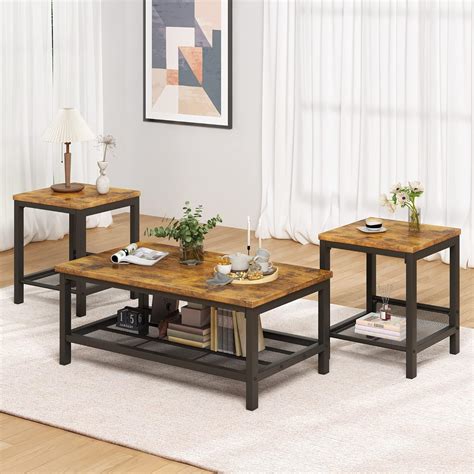
Introducing three matching tables into a single room requires careful measurement to avoid traffic bottlenecks. The central coffee table should sit approximately twelve to eighteen inches away from your sofa, leaving enough legroom without requiring an uncomfortable stretch to reach your beverage. Meanwhile, the end tables are typically positioned flanking the sofa or nestled beside accent armchairs, creating functional drop zones for reading lamps and books.
In smaller living rooms, a massive 3-piece set can easily overwhelm the floor plan if you place all three pieces in close proximity. To maintain an open flow, consider splitting the set up slightly—use the coffee table centrally, place one end table beside the main sofa, and repurpose the second end table as a bedside nightstand or a hallway accent piece. This strategy prevents visual crowding while still capitalizing on the cohesive look and superior durability of solid wood furniture.
Balancing Scale and Proportion in Your Seating Area
Proportion is the invisible backbone of successful interior design. If your sofa features a low, streamlined profile, towering end tables will look awkward and out of place. Conversely, bulky, heavily carved rustic tables require deep, plush seating to look balanced. Matching sets usually maintain consistent height ratios, but you must evaluate how those dimensions interact with your existing upholstery and architectural features like baseboards and window sills.
Leaving adequate negative space around each table is equally crucial for a polished aesthetic. Avoid jamming end tables into tight corners where they scrape against walls or curtains. Allowing a few inches of breathing room around every furniture item makes the entire living room feel larger, more curated, and intentionally designed rather than haphazardly filled.
Styling a Matching 3-Piece Set Without Looking Matchy-Matchy
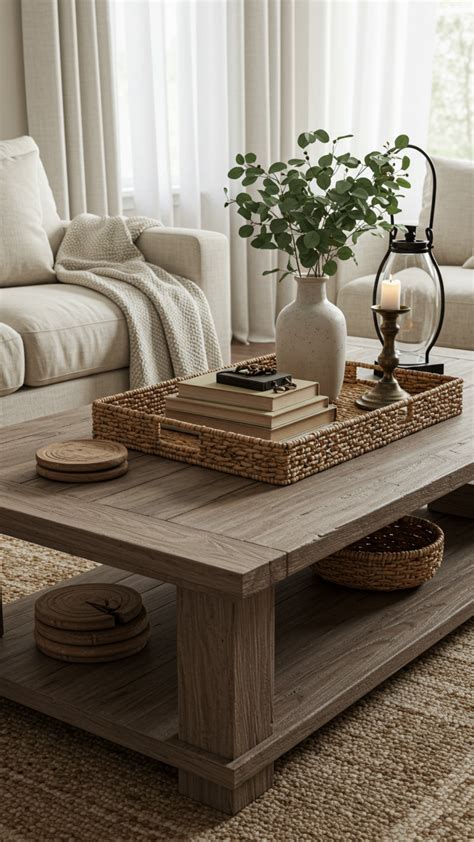
The biggest design risk with a pre-matched 3-piece furniture set is falling into the trap of visual monotony. When every surface features the exact same wood tone, hardware, and lack of ornamentation, the room can easily feel cold and impersonal. To counteract this, use tabletop decor and textiles to break up uniformity and inject your unique personality into the space.
Start by varying the height and materials of the objects you place on each surface. On the main coffee table, layer a vintage wooden tray, a stack of hardcover books, and a ceramic vase filled with dried botanicals. On one end table, place a tall brass reading lamp to add verticality and a metallic contrast against the wood. On the other end table, keep things minimal with a single decorative bowl, allowing the natural grain of the solid wood to take center stage.
Layering Textures and Supporting Decor Elements
Integrating diverse textures is the ultimate shortcut to making matching wood tables feel collected over time. Pair your solid wood surfaces with soft textiles like a chunky wool throw blanket draped over a nearby armchair or an intricate vintage wool rug underneath the entire seating arrangement. The interplay between rough, natural wood fibers and soft, woven fabrics creates sensory depth that instantly warms up a room.
You can also introduce contrasting materials like wrought iron, aged brass, leather, or smoked glass through your accessories. A wrought iron candlestick or a leather-bound journal sitting atop your solid wood coffee table bridges the gap between vintage rustic charm and refined elegance, ensuring your coordinated set looks like a sophisticated design choice rather than an out-of-the-box purchase.
Frequently Asked Questions
What pieces are typically included in a 3-piece solid wood coffee table set?
A standard 3-piece set generally includes one primary coffee table designed for the center of your seating arrangement and two matching end tables intended to sit beside sofas or armchairs.
How do I prevent a matching 3-piece table set from looking too uniform?
You can break up uniformity by styling each table with diverse decorative objects, varying heights, and contrasting materials like metal lamps, ceramic vases, and fabric books rather than keeping every surface identical.
Is solid wood durable enough for homes with children and pets?
Yes, solid wood is exceptionally durable and handles daily wear much better than veneer or particle board. While it may pick up minor scratches or dings over time, these small imperfections often enhance the authentic vintage character of the furniture.
How do I choose the right wood finish for a vintage aesthetic?
Look for matte, satin, or hand-rubbed oil finishes with low sheen. These finishes highlight the natural wood grain and knots, mimicking the appearance of genuinely antique furniture.


