The coffee table often acts as the functional and visual anchor of a living room, yet it is one of the most commonly mis-sized pieces of furniture in American homes. Walk into a suburban family room, and you might spot a table that is too far away to reach from the couch. Step inside a compact metropolitan apartment, and you may find an oversized wooden block that cuts off the natural flow of traffic. Achieving balance requires looking beyond surface aesthetics and evaluating how physical dimensions interact with your daily routines.
When shopping for a new coffee table, homeowners and renters alike must balance human ergonomics with room architecture. Whether you are furnishing a sprawling open-concept layout or a narrow city rental, understanding spatial proportions prevents costly purchasing mistakes. This guide explores foundational sizing rules, material trade-offs for various households, and smart functional features designed to make your living space both beautiful and livable.
Mastering the Core Sizing Rules for Your Living Space
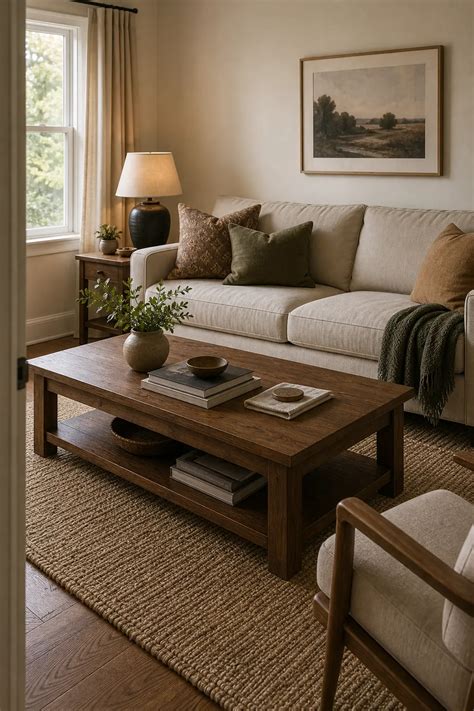
Proportion dictates whether a living room feels curated or cluttered. The most reliable layout heuristic used by interior professionals involves two primary measurements: height and length relative to your existing seating. Getting these dimensions right ensures that your table functions comfortably as a resting place for beverages, books, and decorative accents without disrupting movement.
As a baseline standard, your coffee table should generally match the height of your sofa cushions, or sit no lower than one to two inches beneath them. This alignment creates a harmonious sightline across the room and makes reaching items effortless. Standard sofa seat heights typically hover around 18 inches from the floor, making an 16-to-18-inch table height the most versatile choice for standard American living room seating configurations.
Determining Length and Walking Clearance
Beyond height, the length of your coffee table should occupy roughly two-thirds of the total length of your sofa. For example, if you own an 84-inch standard three-seater couch, look for a table measuring between 50 and 56 inches long. This ratio prevents the table from looking dwarfed by the upholstery while leaving adequate breathing room at both ends.
Clearance is equally critical for smooth traffic flow. Maintain a distance of 14 to 18 inches between the edge of your sofa and the coffee table. This gap allows adults to comfortably sit down and extend their legs without kicking the furniture, while still keeping everyday items within arm’s reach. In tighter spaces, keeping closer to the 14-inch mark maximizes surface area, while larger family rooms can expand past 18 inches.
Selecting Materials Based on Your Household Lifestyle
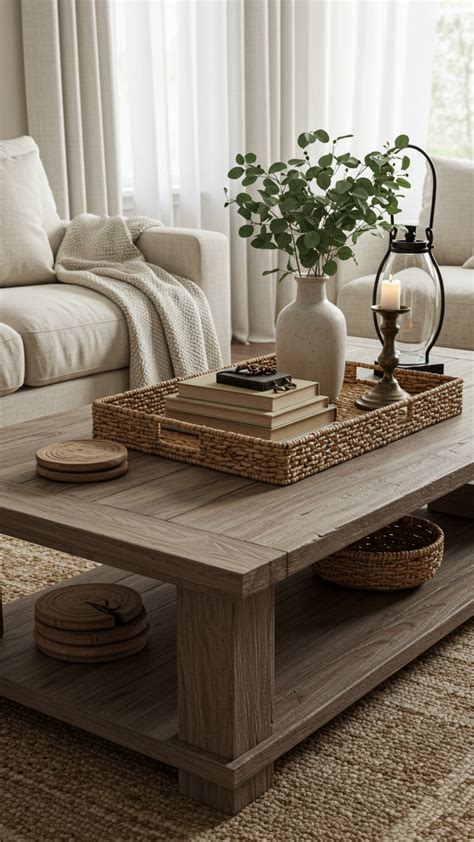
A polished marble slab or delicate glass top may look stunning in a design magazine, but durability depends heavily on who shares your living space. Households with young children, energetic pets, or frequent guests require materials that withstand daily wear and tear without demanding constant high-maintenance cleaning.
Solid wood options—such as oak, walnut, or maple—offer incredible resilience and warmth. They handle bumps well, and minor scratches often blend into the natural grain or can be easily sanded and refinished. Conversely, tempered glass and polished stone surfaces reflect light and make small apartments feel expansive, but they require frequent wiping to remove fingerprints, pet smudges, and water rings.
Weighing Metal, Upholstered, and Engineered Wood Options
Metal-framed tables with laminate or wood-composite tops provide a modern, industrial aesthetic while remaining lightweight and budget-friendly. They work exceptionally well for renters who frequently rearrange furniture or move between properties. However, verify weight capacities if you plan to use the surface for resting heavy trays or feet during movie nights.
Upholstered ottoman coffee tables introduce a soft, tactile element that protects crawling toddlers from sharp corners. Wrapped in performance fabrics like treated linen, canvas, or faux leather, these versatile pieces double as impromptu footrests or extra seating when hosting large gatherings. Pair an upholstered ottoman with a stable serving tray to ensure stability for drinks and decorative items.
Adapting Shapes for Apartments and Open-Concept Layouts
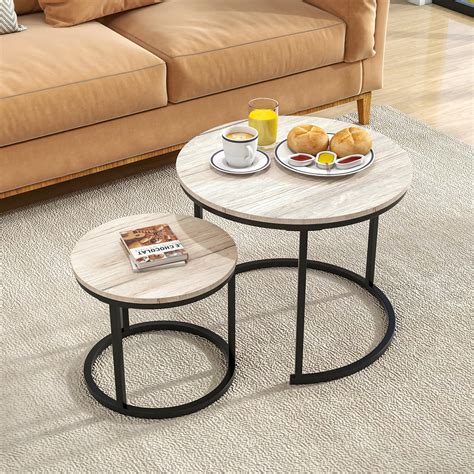
Room architecture should heavily influence the shape of the coffee table you choose. Rectangular tables remain the traditional standard because they parallel the linear form of standard sofas, filling long stretches of floor space efficiently. However, they are not always the optimal choice for every architectural layout.
In compact urban apartments or rooms with heavy foot traffic, round and oval coffee tables serve as functional problem-solvers. The absence of sharp corners eliminates bruised shins in tight walkways and softens the visual rigidity created by walls, televisions, and boxy sectionals. A round table also encourages better conversation flow by allowing people seated on angled sectionals or accent chairs to access the center surface with equal ease.
Unlocking Extra Utility with Smart Storage Features
Modern living spaces frequently demand multitasking furniture. If your living room also serves as a home office, craft station, or casual dining spot, a standard flat-surface table might leave you wanting more utility. Fortunately, innovative designs offer hidden compartments without sacrificing aesthetic appeal.
Lift-top coffee tables feature spring-loaded mechanisms that elevate the surface toward you, creating an ergonomic desk or dining height while seated on the couch. Beneath the lifting top lies deep cavity storage ideal for stowing away laptops, board games, and extra throw blankets. Alternatively, nesting tables provide modular flexibility, allowing you to tuck smaller accent tables underneath the main surface and pull them out only when guests arrive.
Frequently Asked Questions
How high should a coffee table be compared to my sofa?
Your coffee table should ideally match the height of your sofa cushions, or sit no lower than one to two inches below them. Because standard couch seats are about 18 inches off the ground, a table height between 16 and 18 inches provides the most comfortable ergonomic reach.
How much clearance do I need between the coffee table and the couch?
Maintain a distance of 14 to 18 inches between the front edge of your sofa and the coffee table. This clearance is wide enough for comfortable legroom and easy passage, yet close enough to reach a cup of coffee without leaning forward awkwardly.
What is the best coffee table material for households with pets or children?
Solid wood and upholstered ottomans are generally the safest and most durable options for homes with kids and pets. Solid wood resists daily impacts and hides minor wear well, while upholstered ottomans eliminate hazardous sharp corners and withstand rough treatment.
Which coffee table shape works best for small apartments?
Round and oval coffee tables are ideal for small apartments. Their curved edges improve traffic flow in tight walkways, prevent painful bumps, and soften the boxy look of compact rooms.


