Finding the right anchor piece for a living room often dictates the success of an entire home design. In many American households, the main seating arrangement carries a heavy load, functioning as a spot for quiet morning coffee, remote work catch-ups, movie marathons, and social gatherings. When considering furniture that bridges the gap between relaxed lounging and refined modern aesthetics, the Aaron Sofa frequently emerges as a compelling contender for contemporary interiors.
Balancing clean architectural lines with inviting cushions requires careful craftsmanship. Too often, stylish furniture feels rigid or overly formal, while ultra-plush alternatives can overwhelm a room’s visual proportions. This guide explores how incorporating an Aaron Sofa into your layout can transform your daily routine, maximize your spatial efficiency, and elevate the overall design narrative of your home.
Understanding the Design Appeal of the Aaron Sofa
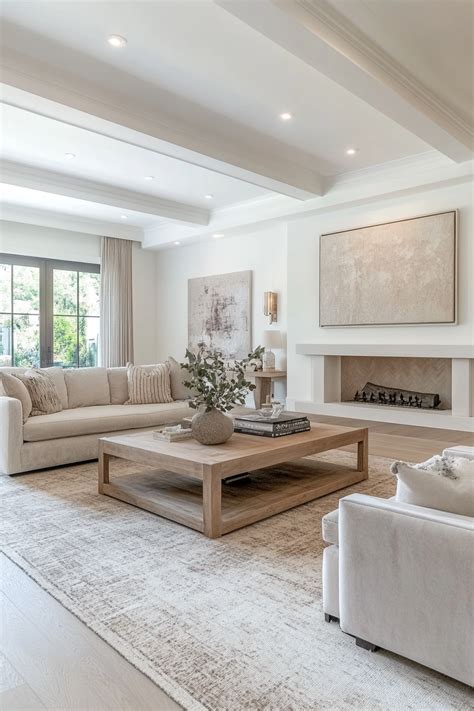
The visual versatility of the Aaron Sofa stems from its balanced proportions and understated silhouette. Rather than chasing fleeting micro-trends, its design leans into transitional modernism, featuring tailored armrests, clean lines, and supportive back cushioning that easily adapts to diverse interior themes. Whether your home reflects a coastal minimalist vibe, an industrial loft aesthetic, or a warm transitional suburban look, this seating option integrates smoothly without clashing with existing architectural elements.
Choosing a centerpiece with neutral undertones allows homeowners to play with seasonal accent pieces, throw blankets, and decorative pillows without committing to a permanent color scheme. The fabric texture also plays an essential role in softening hard flooring surfaces, which are common in open-plan American homes. By introducing tactile depth through woven textiles or smooth upholstery options, the sofa helps anchor expansive rooms while maintaining a welcoming, approachable atmosphere.
Maximizing Comfort and Ergonomics in American Living Rooms
Comfort remains the ultimate metric for any living room seating arrangement. The ergonomic profile of the Aaron Sofa is designed to support various postures, accommodating everything from upright reading positions to laid-back weekend relaxation. High-density foam cores paired with supportive inner suspension systems ensure that the cushions retain their resilience over time, preventing the sagging often associated with heavily used family room furniture.
In busy households, furniture must endure the demands of daily life while providing a restorative sanctuary at the end of the day. Deep seat depths invite you to truly unwind, while angled backrests promote healthy spinal alignment. When evaluating how a sofa supports your household, consider how family members naturally lounge and ensure the arm height matches your preference for reclining or resting a laptop.
Tailoring Placement for Different U.S. Floor Plans
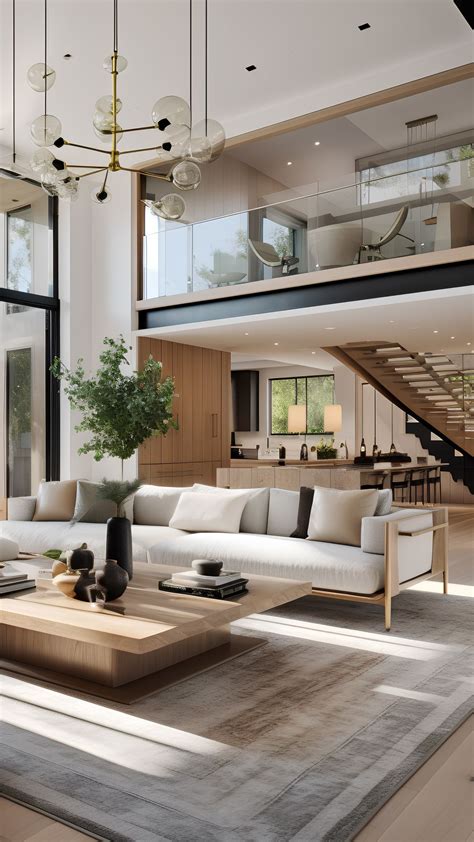
Spatial constraints vary dramatically across the United States, ranging from compact urban apartments in major metropolitan centers to sprawling open-concept ranch houses and suburban colonials. In smaller apartments, positioning the Aaron Sofa against a primary wall helps preserve valuable floor space for walk-through paths and auxiliary seating like accent chairs or ottomans. Keeping the visual weight lifted off the floor with exposed legs can also make modest rooms feel considerably larger and airier.
Conversely, in large open-plan living spaces, the sofa can serve as a deliberate room divider. Floating the piece in the center of the room, anchored by a large area rug, helps define the living zone separately from the adjacent kitchen or dining area. This layout encourages intimate conversation circles and prevents furniture from simply lining the perimeter of an oversized room, making cavernous spaces feel much more intimate and grounded.
Pairing Complementary Decor and Color Palettes
Building a cohesive living room around your seating choice involves thoughtful layering of colors, textures, and lighting. If your Aaron Sofa features a neutral fabric shade like charcoal gray, oatmeal, or navy, you have a blank canvas to introduce rich earthy tones through wooden coffee tables, ceramic vases, and brushed brass or matte black light fixtures. Layering tactile elements like a chunky knit throw or patterned lumbar pillows introduces visual interest and keeps the monochromatic base from feeling flat.
Lighting also dramatically influences how the sofa’s fabric color appears throughout the day. Natural sunlight streaming through large living room windows highlights the subtle texture of the upholstery, while warm ambient floor lamps and table lamps create a cozy evening glow. Pairing the seating arrangement with a low-profile media console and a textured jute or wool rug completes the balanced environment, ensuring your living space feels curated, comfortable, and distinctly lived-in.
Frequently Asked Questions
What room sizes are best suited for the Aaron Sofa?
The Aaron Sofa is remarkably adaptable, making it suitable for both compact apartments and large suburban living rooms. In smaller spaces, its clean profile prevents visual clutter, while in open-concept layouts, it can be styled as a central room divider to anchor the conversation area.
How do I clean and maintain the upholstery?
Routine maintenance involves gentle vacuuming with a soft brush attachment to remove dust and crumbs. For spot cleaning, refer to the manufacturer’s specific fabric care tag. Using mild, water-based cleaning solvents or professional upholstery cleaning services helps preserve the fabric integrity over years of daily use.
Can the Aaron Sofa fit into transitional and modern interior styles?
Yes. The transitional design language of the sofa—combining clean, modern lines with plush, inviting cushioning—allows it to bridge the gap between contemporary minimalism and warm, traditional American decor styles effortlessly.
What kind of accent pillows look best with a neutral Aaron Sofa?
Neutral upholstery acts as a versatile base that pairs well with almost any accent style. You can introduce organic textures with linen or wool pillows, or add a pop of color with seasonal hues like terracotta, olive green, or deep indigo to elevate the room’s overall aesthetic.


