Furnishing a home or apartment in the United States often requires a careful balancing act between aesthetic appeal, spatial constraints, and financial limits. Whether you have just signed a lease on a compact urban apartment or you are looking to refresh a suburban living room without starting from scratch, finding reliable pieces that do not compromise your savings account is essential. Major retailers like Ashley Furniture offer extensive catalogs that cater to various price points, making them a popular starting point for budget-conscious decorators.
Navigating large furniture catalogs effectively means looking past the showroom styling and evaluating how individual pieces function in real everyday life. Budget-friendly shopping is not merely about finding the lowest possible price tag; it is about identifying items that deliver long-term utility, scale appropriately for standard American room dimensions, and provide a solid foundation for your personal decor style. By focusing on high-impact categories such as living room seating, versatile accent tables, and modular bedroom furniture, you can create a cohesive and inviting environment.
Living Room Essentials That Maximize Value

The living room is typically the anchor of any home, serving as a gathering space for family and a focal point for guests. When shopping for budget-friendly living room furniture, prioritize foundational pieces like sofas and media consoles that offer neutral color palettes. Neutral upholstery in durable fabrics allows you to experiment with affordable seasonal accessories like throw pillows and area rugs without needing to replace large-scale investments later.
Look for clean-lined stationary sofas or compact sectionals that fit comfortably within standard US apartment layouts. Streamlined silhouettes prevent smaller rooms from feeling overcrowded, while tightly woven polyester or microfiber blends typically offer straightforward maintenance for households with pets or children. Pairing a straightforward sofa with multi-functional occasional tables, such as a lift-top coffee table, provides hidden storage that keeps daily clutter out of sight in smaller footprints.
Bedroom Upgrades Without Breaking the Bank
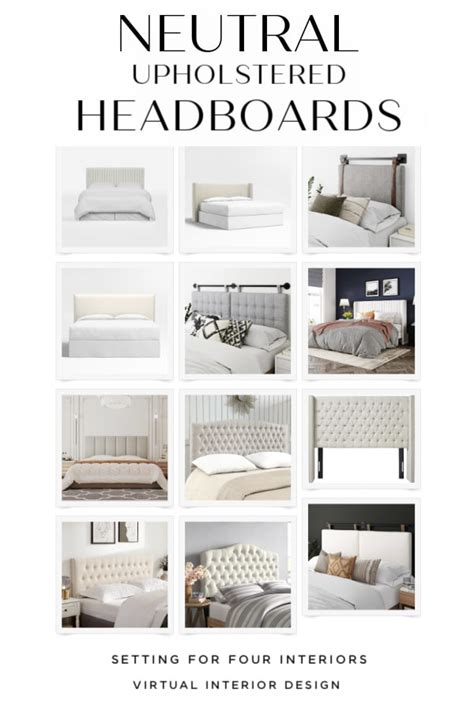
Creating a restful bedroom retreat does not require purchasing an entire matching suite all at once. In fact, mixing and matching individual bedroom elements often yields a more collected, designer-inspired look while keeping upfront costs manageable. Focus your budget primarily on a sturdy bed frame or headboard that anchors the room visually, leaving room to incorporate more affordable nightstands and lighting over time.
Platform beds and upholstered headboards available through mass-market retailers often deliver significant visual impact for a relatively modest investment. When evaluating budget bed frames, check the slat construction and center support legs to ensure they can adequately support standard US mattress sizes. Pairing a simple upholstered headboard with crisp white bedding instantly elevates the sleeping space, creating a clean backdrop that makes minor styling updates look cohesive and intentional.
Small-Space Solutions for Renters
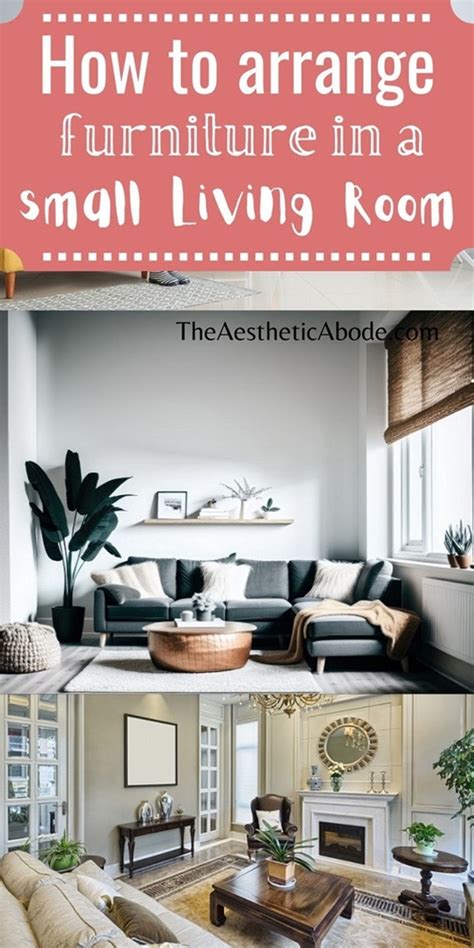
Renting often means adapting to awkward layouts, restricted square footage, and lease agreements that discourage permanent modifications. For apartment dwellers, multi-functional furniture is not just a convenience; it is a necessity. Drop-leaf dining tables, nesting coffee tables, and storage ottomans allow you to scale your living arrangements up or down depending on whether you are hosting a dinner party or spending a quiet evening at home.
When selecting pieces for rental properties, pay close attention to physical dimensions and weight. Lightweight accent chairs and modular shelving units can be easily rearranged or packed up when it is time to move to a new home. Choosing items with elevated legs also helps create an illusion of space by allowing light to flow underneath the furniture, preventing compact rooms from feeling heavy and confined.
Smart Strategies for Styling Affordable Furniture
Purchasing budget-friendly furniture is only half the battle; how you style and accessorize those pieces determines the overall look and feel of your home. To elevate mass-market furniture, incorporate textural elements such as woven baskets, ceramic table lamps, and framed artwork. These layers draw the eye away from standard manufacturing details and personalize your living spaces.
Another effective strategy is upgrading standard hardware on dressers or media consoles. Swapping out basic knobs or pulls for brass, matte black, or leather pulls is an inexpensive DIY upgrade that instantly adds a custom, high-end feel to budget-friendly case goods. Coupled with proper lighting and thoughtfully edited surface decor, these small adjustments transform standard retail finds into a personalized home environment.
Frequently Asked Questions
What are the most important things to check when buying budget furniture online?
Always review the exact product dimensions against your room layout using painter’s tape to visualize the footprint. Additionally, read material descriptions carefully to understand whether the piece is constructed from solid wood, engineered wood, or a veneer, as this impacts durability and daily maintenance.
How can I make inexpensive furniture look more high-end?
You can elevate budget furniture by upgrading hardware like drawer pulls, styling surfaces with varied textures such as books and trays, and framing large-scale inexpensive art to create a custom focal point in the room.
Are budget-friendly sofas durable enough for daily use?
Many affordable sofas feature sturdy hardwood or engineered wood frames with high-density foam cushions that withstand daily wear. To maximize longevity, look for tightly woven, stain-resistant performance fabrics and check whether cushion covers are removable or spot-cleanable.
What is the best way to furnish an apartment on a strict budget?
Prioritize multi-functional pieces that serve dual purposes, such as storage ottomans or extendable tables. Focus on buying essential large items first and layering in smaller decor accents, textiles, and lighting gradually over time.


