When planning a getaway that brings multiple household members together under the open sky, standard dome tents often fall short on privacy and floor area. Upgrading to a specialized shelter like KTT’s Spacious 2-Room Extra Large Tent shifts the entire dynamic of group outdoor living. Instead of tripping over gear bags or cramming sleeping pads shoulder-to-shoulder, campers gain a structured environment that mimics the functional zones of a home. Whether you are hosting a multi-generational family reunion at a state park campground or setting up an immersive backyard adventure for the kids, evaluating how this expansive shelter handles daily camp life helps ensure a smooth, comfortable experience.
Choosing an oversized multi-room tent requires looking beyond marketing capacity claims and examining the real-world trade-offs of footprint size, transport weight, and assembly logistics. While sprawling structures offer unmatched breathing room, they also demand more site clearance and careful stake placement. This guide breaks down what families should expect from the KTT extra-large shelter design, helping you decide whether a dual-room layout aligns with your group’s outdoor recreation style.
Understanding the 2-Room Layout and Spatial Design
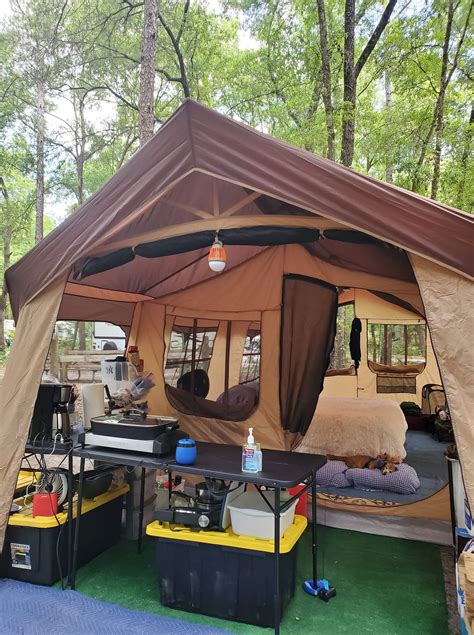
The defining characteristic of KTT’s extra-large shelter is its physical division into two distinct compartments, typically separated by a fabric curtain or zipped partition wall. This structural split allows families to separate sleeping quarters from communal living space, or to create distinct private bedrooms for parents and children. In a traditional single-room tent, privacy is virtually nonexistent once everyone settles in for the night. A partitioned layout introduces physical boundaries that greatly enhance comfort during extended stays.
In practical terms, one room can house multiple air mattresses or cots while leaving ample floor space for duffel bags and changing clothes. The secondary room acts as a mudroom, a staging area for cooking gear, or a sheltered lounge when afternoon rain showers force everyone indoors. This separation keeps sleeping zones clean and free of wet footwear or bulky gear boxes, maintaining a more organized environment throughout your trip.
Evaluating Capacity: How Many Campers Fit Comfortably?
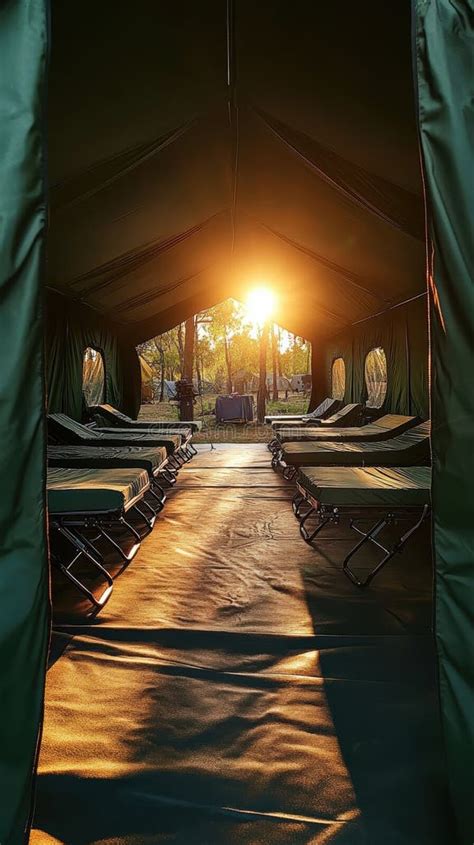
Manufacturers often calculate tent capacity based on the maximum number of sleeping bags laid side-by-side with zero walking clearance. When evaluating KTT’s multi-room model for family use, it is wise to discount the maximum stated capacity by about twenty to thirty percent to account for actual gear, cots, and movement. If a tent is rated for eight to ten people mathematically, it generally provides an ideal, uncrowded experience for a family of four to six campers utilizing raised cots or queen-sized airbeds.
For group gatherings, the true utility lies in flexibility. You can configure one room with multiple sleeping pads for children, while reserving the second room for a double cot and personal storage. This arrangement prevents the chaotic pile-up of belongings that typically plagues family tents. Parents can put younger children down to sleep in the separated compartment while still utilizing the adjacent room for reading or relaxing by lantern light without disturbing the sleeping kids.
Setup Realities, Weight, and Transport Trade-Offs
Spacious multi-room tents naturally involve more poles, heavier fabrics, and a larger packed volume than compact weekend hikers prefer. Setting up KTT’s extra-large shelter requires patience and, ideally, at least two adults to raise the frame efficiently. While color-coded poles and sleeve systems simplify the process, the sheer surface area of the canopy means managing wind resistance during assembly is an important factor to keep in mind.
Transporting a shelter of this magnitude requires dedicated trunk space, as the packed bag is considerably longer and heavier than standard backpacking gear. Campers should assess their vehicle storage capacity before committing to an oversized tent. However, for car campers, RV travelers, and backyard hosts, the minor inconvenience of a bulkier pack size is easily offset by the expansive headroom and room-to-move benefits experienced upon arrival at the campsite.
Ventilation, Weatherproofing, and All-Season Comfort
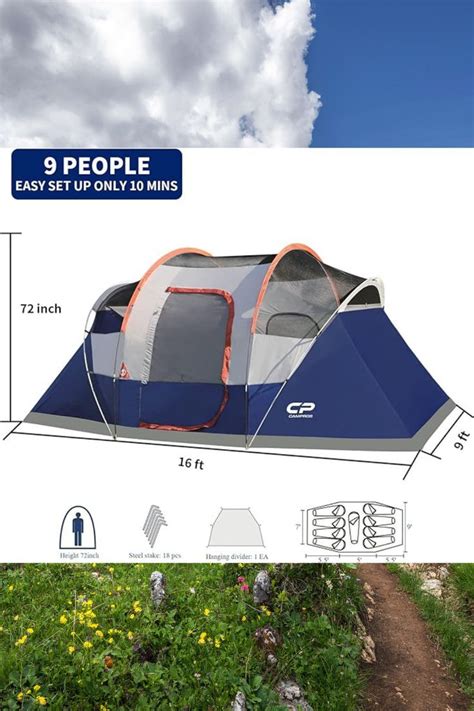
A large footprint makes adequate airflow essential to prevent condensation buildup and stuffiness. Multi-room tents like this model typically incorporate large mesh ceiling panels, mesh-backed windows, and low-level ground vents to encourage cross-ventilation. Proper airflow keeps the interior temperature manageable during warm summer afternoons and minimizes morning moisture accumulation on the inner walls.
When unexpected weather hits, weatherproofing features dictate how secure your gathering feels. A reliable rainfly, taped seams, and a sturdy PE or oxford fabric floor help keep moisture out during heavy downpours. Because extra-large tents have higher profiles, securing all guy lines and anchor stakes correctly is vital for maintaining structural integrity if gusty winds sweep through the campground.
Frequently Asked Questions
How many people can comfortably fit in the KTT Extra Large Tent?
While maximum capacity ratings often assume sleeping bags placed edge-to-edge, the tent comfortably accommodates a family of four to six people when using cots, air mattresses, and storing personal gear inside the living areas.
What are the primary benefits of the 2-room design?
The two-room layout provides a physical partition to separate sleeping quarters from a communal lounge or mudroom. This enhances privacy, keeps sleeping areas clean, and allows adults to stay up or change clothes without disturbing sleeping children.
Is this oversized tent difficult to assemble?
Due to its size and multi-pole framework, setup generally requires at least two adults. While color-coded systems make the process straightforward, the sheer scale of the canopy means assembly takes more time and coordination than a basic dome tent.
How does the tent perform in windy or rainy weather?
The shelter handles normal rain and wind well when properly staked and guyed out with its rainfly attached. However, because of its large surface area and high profile, securing all guy lines is essential during severe weather conditions.


