When planning a group camping trip or an upscale outdoor retreat, treating a expansive shelter like a permanent residence changes everything. A luxury 3-bedroom tent with a living room provides an impressive architectural footprint, offering the kind of generous square footage usually reserved for small apartments. However, canvas walls and open floor plans require deliberate interior styling to bridge the gap between rugged nature and boutique hospitality. By applying fundamental interior design principles such as strategic zoning, layered textiles, and warm atmospheric lighting, you can turn a utilitarian outdoor structure into a breathtaking sanctuary.
Achieving this transformation means looking beyond standard camping gear and sourcing items that offer both aesthetic depth and practical resilience. The goal is to create a seamless flow between the communal living area and the private sleeping quarters, ensuring every guest enjoys a comfortable, highly curated environment. Whether you are setting up a semi-permanent glamping site in your backyard or preparing for an extended wilderness excursion, these intentional decor strategies will elevate your large-scale tent into a masterpiece of outdoor design.
Zoning Your Multi-Room Canvas Footprint
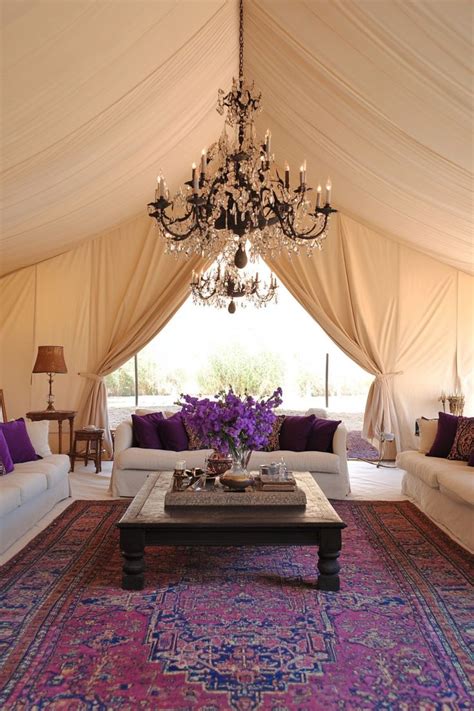
The first step in styling a large multi-room shelter is defining clear functional zones. Just as you would partition an open-concept loft, you need to establish a distinct central living room that acts as the heart of the tent, while keeping the three separate bedrooms feeling like private, secluded suites. Start by anchoring the central living area with a large, textured outdoor-rated area rug. This immediately breaks up the expanse of vinyl or canvas flooring and establishes a visual boundary for socializing.
Arrange modular seating or lightweight lounge chairs around a low-profile coffee table to encourage conversation, leaving wide pathways toward each bedroom entrance. For the three bedrooms, resist the temptation to treat them merely as sleeping quarters with a mattress on the floor. Instead, style each room with proper raised bed frames or luxury air mattresses dressed in crisp linen sheets, heavy wool blankets, and bedside crates serving as nightstands. This clear division of public and private zones creates an immediate sense of order and high-end hospitality.
Consider traffic flow when placing furniture, ensuring that guests can move easily from the main entrance through the living room and into the respective sleeping quarters without tripping over guy lines or storage bins. Using vertical storage solutions, such as hanging canvas organizers or collapsible wooden wardrobes, keeps clutter out of sight and preserves the open, airy feeling of the tent.
Layered Lighting for Ambiance and Function
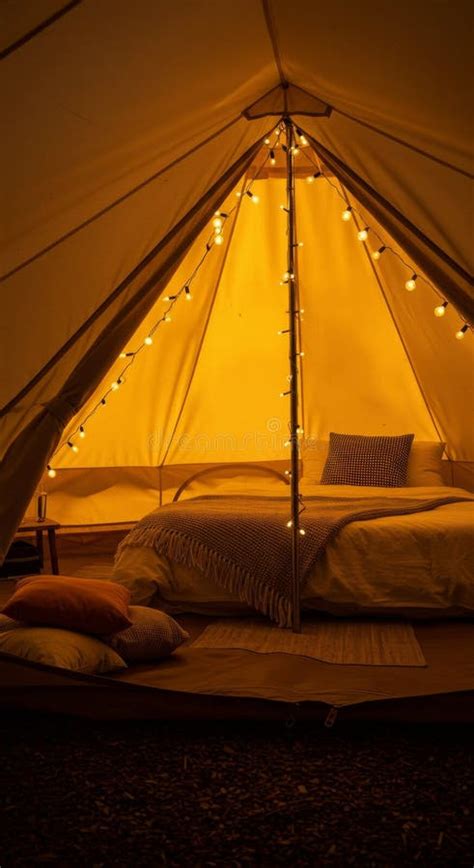
Lighting is often the most overlooked element in temporary outdoor structures, yet it holds the greatest power to transform the mood. Relying on a single overhead lantern kills the atmosphere and creates harsh shadows against the canvas walls. Instead, adopt a layered lighting strategy that combines ambient, task, and accent sources to mimic the warmth of a permanent residential living room.
Battery-operated chandeliers or rattan pendant lights hung from the central ridge pole provide a striking focal point and cast a soft, diffused glow over the main seating area. Supplement these statement fixtures with warm LED string lights woven discreetly along the upper poles or tent frame. For the bedrooms and side tables, use rechargeable cordless table lamps with fabric shades to give guests the luxury of individual bedside reading light without the hazard of open flames or tangled cords.
Safety remains paramount when working with fabric structures, so strictly avoid traditional incandescent bulbs that generate excessive heat near canvas. Opt instead for high-end LED alternatives with warm Kelvin ratings (around 2700K) to replicate the cozy, inviting golden hour glow that makes luxury interiors feel so welcoming.
Elevating Comfort with Textiles and Soft Furnishings

Hard surfaces and synthetic tent materials can feel cold and uninviting, which is why textiles form the emotional core of any successful glamping design scheme. Introduce a rich tactile variety by mixing natural materials such as jute, wool, leather, and linen throughout the space. Layering sheepskins over bench seating or lounge chairs adds instant texture and provides genuine warmth during chilly evening hours.
In the living room, pile floor cushions and oversized throw pillows directly onto the layered rugs to create a relaxed, bohemian gathering space that invites lounging. For the three bedrooms, invest in high-thread-count cotton or linen bedding, weighted blankets, and structured quilts that provide both visual weight and physical comfort. Curating a cohesive color palette—such as earthy terracotta, olive green, and warm cream—helps tie the disparate textile elements together into a polished, intentional design statement.
When selecting fabrics for an outdoor-adjacent environment, keep humidity and ease of maintenance in mind. Choose washable cushion covers and treated outdoor textiles that resist moisture absorption, ensuring your luxury setup remains fresh and comfortable throughout the duration of your stay.
Functional Luxury Furniture for Group Living
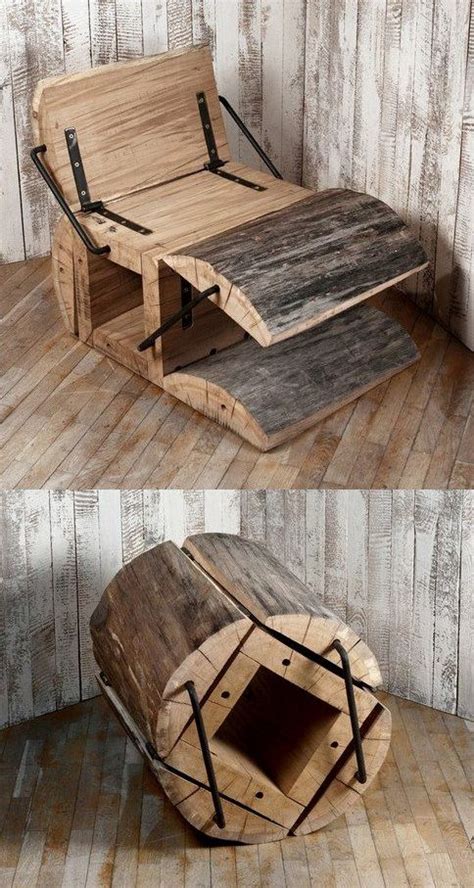
Selecting furniture for a large tent requires a delicate balance between visual elegance and practical portability. Heavy, solid-wood heirlooms are rarely practical for temporary setups, but flimsy folding camp furniture will instantly undermine the luxury aesthetic you are working to achieve. The solution lies in lightweight, foldable furniture crafted from premium materials like teak, bamboo, powder-coated aluminum, and cognac leather.
Opt for folding director’s chairs, collapsible acacia wood coffee tables, and modular lounge seating that can be easily disassembled for transport without sacrificing structural integrity or visual appeal. In the bedrooms, folding wooden luggage racks and collapsible bedside tables provide guests with convenient surfaces for their personal belongings, keeping the floor clear and the environment tidy.
Accessorize these foundational furniture pieces with personal styling touches that make the space feel uniquely curated rather than staged. Incorporate faux or dried botanical arrangements in unbreakable brass vases, hang framed canvas art using lightweight clamps, and place scented soy candles or diffusers in safe, stable holders to engage the senses and complete your boutique outdoor experience.
Frequently Asked Questions
How do I layout and zone a multi-room luxury tent?
Establish a central gathering space by anchoring it with a large area rug and low-profile lounge furniture. Keep the pathways to the three bedrooms open and unobstructed, and treat each bedroom like an independent suite with raised bedding and dedicated bedside storage.
What kind of lighting works best in a fabric tent structure?
A layered approach utilizing warm LED string lights, battery-operated pendant fixtures, and rechargeable cordless table lamps creates a cozy, residential ambiance while avoiding the safety hazards of open flames or hot incandescent bulbs.
How can I make tent flooring feel high-end and comfortable?
Combat cold, uneven ground by laying down heavy-duty foam tiles or waterproof tarps first, followed by large, textured natural-fiber area rugs (such as jute, wool, or sisal) to add warmth and define functional zones.
What furniture pieces maximize comfort without overcrowding?
Choose collapsible or folding furniture made from high-end materials like teak, bamboo, and leather. Modular seating, low coffee tables, and folding wooden bed frames offer maximum comfort and style while remaining easy to transport and assemble.


