As American homeowners and renters look for innovative ways to extend their functional square footage, multi-room tents have emerged as a versatile solution for backyards, properties, and alternative living setups. Moving far beyond traditional, single-compartment dome tents, contemporary cabin and multi-room structures offer separate zones for sleeping, lounging, and storage. Whether you want to create a backyard guest suite for visiting relatives, a dedicated outdoor workspace, or an immersive glamping retreat, choosing the right structure requires a careful evaluation of scale, fabric durability, and spatial layout.
Navigating the market in 2025 means understanding how modern tent engineering bridges the gap between temporary shelters and permanent outdoor architecture. With robust steel or fiberglass framing, high-ceiling profiles, and customizable internal partitions, these large-scale tents provide an impressive interior volume. This guide breaks down what defines a true multi-room living tent, key features to prioritize for U.S. climates, and practical criteria for selecting a model that seamlessly integrates with your property.
Defining Expansive Living: What Makes a True Multi-Room Tent?
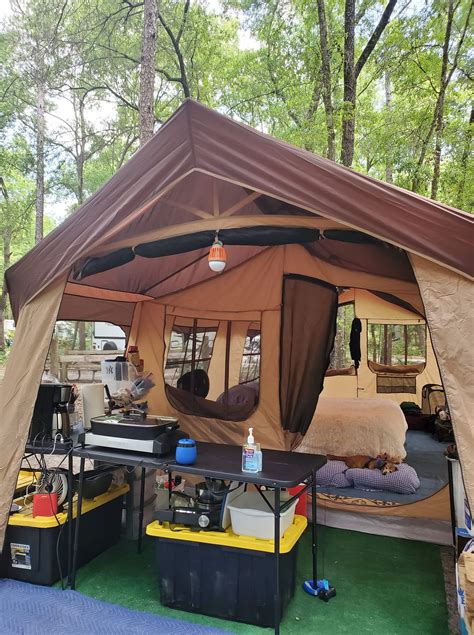
True multi-room tents are engineered to replicate the compartmentalized layout of a traditional home. Unlike standard recreational tents where every occupant shares a single open floor, multi-room models feature integrated or removable fabric walls that divide the interior into distinct zones. These spaces typically accommodate separate bedrooms, a central common area, or a mudroom entry point for shoes and gear.
When assessing these expansive structures, ceiling height and wall steepness are primary indicators of livable comfort. Cabin-style tents with near-vertical walls allow occupants to stand upright and walk comfortably throughout the interior, maximizing the usable floor area. For U.S. households seeking a genuine room-to-room flow, look for models offering at least 6.5 feet of peak headroom and heavy-duty zippered room dividers that provide acoustic and visual privacy.
Evaluating Floor Plans and Spatial Requirements
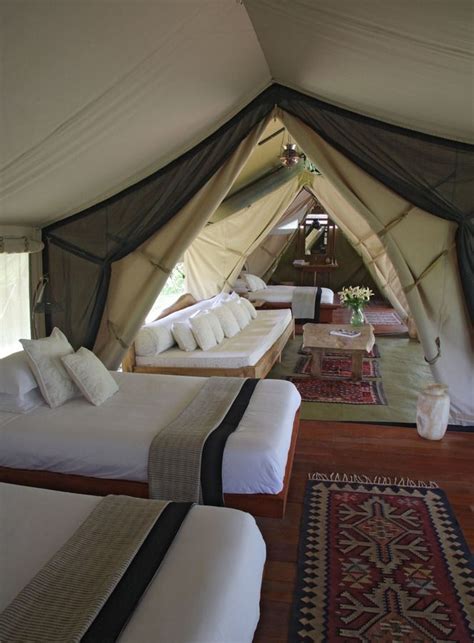
Before purchasing a multi-room tent for your property, measuring your available outdoor footprint is essential. Many expansive models require a clearance area of 10 by 14 feet or larger, excluding guy lines and stakeout zones. Homeowners should evaluate how furniture placement—such as cots, loungers, and storage bins—affects internal traffic flow between rooms.
Internal layouts typically fall into two categories: linear cabin designs and multi-hub configurations. Linear models arrange rooms side-by-side or front-to-back, which works well for narrow side yards or linear deck spaces. Hub configurations feature a central communal dome surrounded by private sleeping pods, mimicking a small cottage layout and offering superior stability against shifting winds.
Key Performance Features for U.S. Weather and Semi-Permanent Use
If you plan to keep a multi-room tent pitched for extended periods in your yard, material integrity is paramount. U.S. regional climates vary widely, from humid summers in the Southeast to high winds in the Midwest and intense UV exposure in the Southwest. Selecting fabrics with high denier counts, such as 150D to 300D polyester or heavy-duty cotton canvas, ensures the structure resists degradation under prolonged sunlight.
Weather resistance also depends heavily on waterproofing ratings and frame construction. Look for rainflies with a hydrostatic head rating of at least 2000mm to 3000mm, alongside factory-sealed seams. While fiberglass poles suffice for light recreational use, semi-permanent backyard living structures benefit significantly from powder-coated steel poles that withstand heavy gusts and seasonal storms without buckling.
Ventilation and Climate Control Strategies
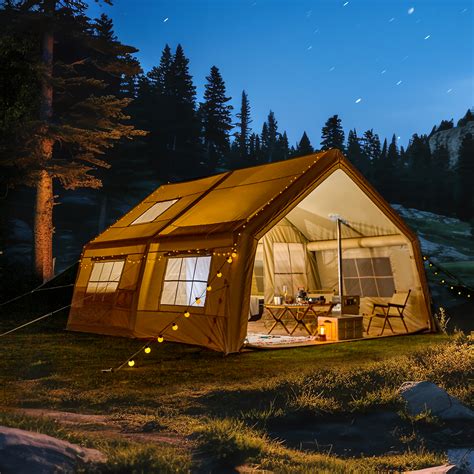
Expansive tents can quickly trap heat and humidity, making proper ventilation critical for comfortable living. Effective models incorporate large mesh ceiling panels, multi-position ground vents, and zippered mesh windows on every exterior wall. These features promote continuous cross-ventilation, reducing interior condensation and keeping the living space cool during warm weather.
For colder months or shoulder seasons, consider tents designed with stove jacks or thermal fly options. A reinforced stove pipe port allows for safe heating integration, transforming the multi-room tent into a cozy three-season retreat. Managing airflow and temperature effectively prevents mold growth, extending the overall lifespan of the fabric in humid environments.
Top Structural Styles and Setup Considerations
Setting up a massive multi-room tent can range from a straightforward color-coded pole assembly to a multi-hour engineering project. For renters or homeowners who plan to take down and re-pitch their shelter seasonally, ease of assembly is a major decision factor. Instant-cabin designs feature pre-attached telescopic frames that allow a couple to erect a multi-room structure in under twenty minutes.
Conversely, heavier canvas wall tents require more time, patience, and often two people to properly tension the ridge poles and guy lines. However, the trade-off for setup complexity is exceptional structural longevity and a classic aesthetic that blends harmoniously into natural suburban or rural landscapes.
Maintenance and Longevity Tips for Backyard Setups
Leaving a tent pitched outdoors for weeks or months requires proactive maintenance to protect your investment. Regularly clearing fallen leaves, pine needles, and debris from the roof prevents moisture retention and staining. Applying a specialized UV-blocking fabric spray annually helps counteract the degrading effects of direct sunlight on synthetic tent walls.
When dismantling the tent for storage, ensure the fabric is completely bone-dry to prevent mildew and musty odors. Storing components in breathable canvas storage bags rather than tight plastic bins preserves the integrity of waterproof coatings and keeps the zippers functioning smoothly for years of future use.
Frequently Asked Questions
Can multi-room tents be left up permanently in a backyard?
While multi-room tents are built for durability, most are designed for semi-permanent or seasonal use rather than permanent year-round habitation. Leaving synthetic fabrics exposed to continuous UV rays, heavy snow loads, or severe storms without supervision will accelerate wear. For permanent outdoor living, specialized canvas structures or yurt-style installations are typically required.
How do I anchor a large multi-room tent against strong winds?
Large tents act like sails due to their high profile. Secure your tent using heavy-duty rebar stakes or screw anchors driven deep into the ground rather than standard wire stakes. Always attach and tension all guy lines firmly at a 45-degree angle to distribute wind loads evenly across the frame.
Are multi-room tents suitable for cold-weather camping or living?
Many multi-room canvas tents and heavy-duty polyester cabin tents can handle cold weather, provided they feature a built-in stove jack and thick insulation layers. You will also need an appropriate heat source, such as a certified camping wood stove, and insulated flooring to combat ground chill.
What size multi-room tent do I need for a family of four?
For a family of four, look for a tent rated for at least six to eight people. This ensures you have adequate floor space to accommodate sleeping cots or air mattresses in separate rooms while leaving a central communal area for gear storage and movement.


