When anchoring a living room or a dedicated family den, few furniture pieces command attention quite like a well-crafted leather sofa. Blending generous proportions with buttery textures, these seating options offer an inviting focal point that grounds an entire interior design scheme. For homeowners and renters seeking pieces that marry visual warmth with everyday durability, exploring the collections available through regional providers like Hudson’s Furniture reveals how traditional craftsmanship translates into modern comfort.
Investing in a high-end leather couch is more than an aesthetic choice; it is a commitment to long-term quality and lifestyle adaptability. American-style seating typically emphasizes deep cushions, supportive backrests, and sturdy framing designed to withstand decades of daily living. Whether you are furnishing a sprawling suburban open-concept floor plan or refining a cozy urban apartment, understanding how to select, position, and maintain your leather furniture ensures your living space remains both sophisticated and deeply welcoming.
Defining American Style and Comfort in Leather Seating
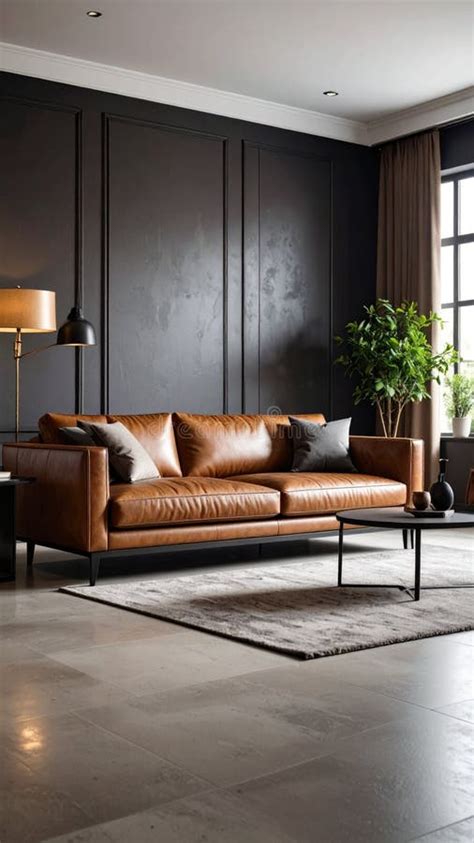
American furniture design has long been synonymous with generous scale, uncompromised support, and an emphasis on relaxation. When applied to leather upholstery, this design philosophy manifests as deep seating platforms, rolled or pillow-top arms, and resilient inner-spring or high-density foam cores. These elements ensure that the sofa does not merely look impressive from a distance, but actively encourages you to unwind after a long day.
Furthermore, the tactile nature of leather plays a pivotal role in this comfort equation. Unlike synthetic fabrics that can trap heat or pill over time, genuine and high-grade protected leathers breathe naturally and adapt to room temperatures. Over the years, quality leather develops a distinct patina that tells the story of your home, softening gracefully while retaining its structural integrity. Retailers like Hudson’s Furniture curate selections that highlight these classic traits, catering to households that value both timeless silhouettes and tactile luxury.
Selecting the Right Size and Shade for Your Space
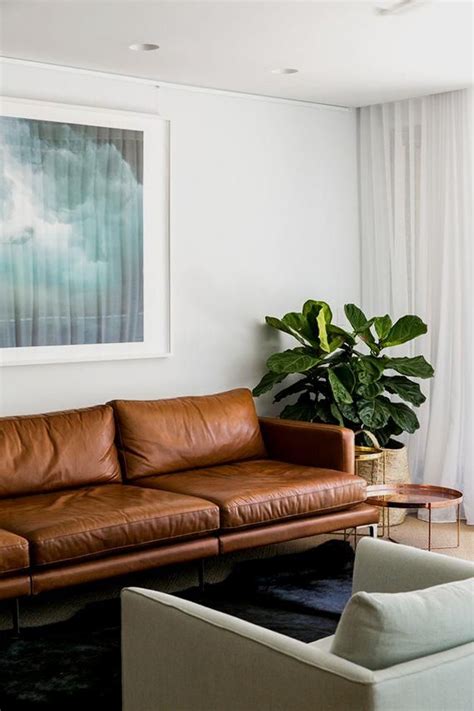
Before purchasing a leather sofa, careful spatial planning is essential to avoid overwhelming your room or leaving awkward empty zones. Measure your available floor space meticulously, taking into account clearance for coffee tables, walking paths, and reclining mechanisms if applicable. In larger open-concept rooms, a substantial sectional or matching sofa and loveseat set can anchor the layout. For more compact apartments, a streamlined three-seater or a tailored apartment-size leather sofa maintains an airy feel without sacrificing seating capacity.
Color selection is equally critical when integrating a leather statement piece into your existing decor. Classic saddle brown, rich chestnut, and deep cognac tones introduce warmth and pair effortlessly with neutral walls, exposed brick, or rustic wood accents. On the other hand, charcoal gray, midnight black, or crisp ivory leather sofas can serve as sophisticated anchors for contemporary, industrial, or minimalist interiors. Balancing the undertones of your flooring and wall paint with your chosen leather hue creates a cohesive, designer-curated atmosphere.
Practical Care and Maintenance for Long-Lasting Luxury
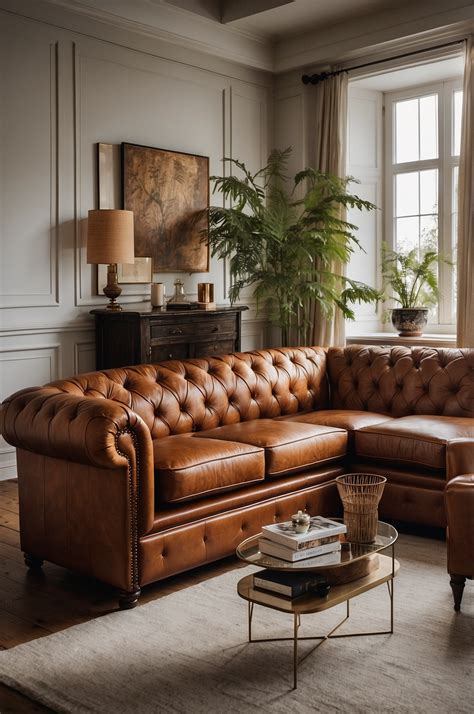
One of the primary benefits of choosing a leather sofa is its relative ease of maintenance compared to delicate woven fabrics. Dust and pet hair can be easily wiped away with a soft, dry cloth or gently vacuumed using a brush attachment. However, maintaining that luxurious suppleness requires routine conditioning every six to twelve months, depending on your home’s climate and sunlight exposure, to prevent the material from drying out or cracking.
To protect your investment further, position your leather sofa away from direct, harsh sunlight and heating vents, which can accelerate fading and drying. Using protective throws or specialized leather cleaners recommended by manufacturers helps manage accidental spills before they set. By incorporating these straightforward maintenance habits into your routine, your leather seating will continue to look rich, feel comfortable, and elevate your home’s interior styling for many years to come.
Frequently Asked Questions
What makes Hudson’s Furniture leather sofas distinct in style and comfort?
Hudson’s Furniture features collections that emphasize traditional American proportions, deep-seated comfort, and sturdy interior frames. Their leather upholstery options are selected for durability and tactile richness, making them suitable for both formal living rooms and casual family dens.
How do I choose the right size leather sofa for a small living room?
For compact spaces, look for streamlined silhouettes, tapered legs that create a floating visual effect, or apartment-sized configurations. Always measure your floor plan and map out walking paths to ensure the sofa does not block natural light or traffic flow.
How often should I condition a luxury leather sofa?
As a general rule, leather furniture should be cleaned and conditioned every six months. Homes in particularly dry climates or households with high direct sunlight exposure may require more frequent conditioning to preserve the leather’s natural oils and prevent cracking.
Can leather sofas work well in homes with pets and children?
Yes, many types of high-grade, protected leather are remarkably resilient against everyday wear, resisting stains and odors better than many woven fabrics. Regular upkeep and choosing corrected-grain or semi-aniline leathers can make family life with leather furniture remarkably stress-free.


