When planning a group getaway or an extended family camping trip, finding a shelter that balances personal privacy with communal living space is a primary challenge. Traditional single-room dome tents often lead to cramped quarters, tangled gear, and early-morning disruptions when everyone wakes up simultaneously. Outsunny’s tunnel tent with 3 bedrooms and a porch addresses these common spatial frustrations by offering a multi-compartment architectural layout. By treating the campsite more like a modular home, campers can enjoy distinct zones for sleeping, lounging, and storing equipment securely away from the elements.
Evaluating whether this expansive shelter fits your lifestyle requires looking beyond standard marketing specifications and examining how its physical dimensions translate to real-world utility. Whether you are setting up camp at a designated national park site or managing a weekend outdoor retreat on private property, understanding structural shapes, room dividers, and weather management helps ensure a smooth, comfortable experience in nature.
Tunnel Tent Architecture and Structural Benefits
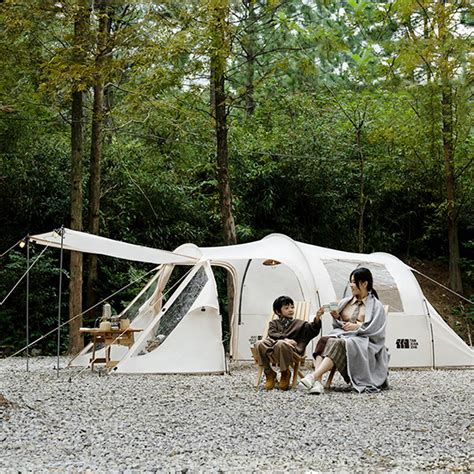
The structural foundation of a multi-room tent relies heavily on its geometric shape, and tunnel designs offer distinct advantages over traditional dome structures. Instead of relying on intersecting poles that create a centralized peak, tunnel tents utilize parallel, arched poles that form a series of hoops. This configuration maximizes interior headroom across a larger footprint, preventing the sloping walls that often make outer edges of dome tents unusable for adults.
Furthermore, the elongated profile of a tunnel tent allows for seamless multi-room zoning. Because the framework distributes tension evenly along the arches and guy lines, the interior can be safely subdivided into private sleeping chambers without compromising the overall structural integrity. While tunnel tents do require careful staking and windward alignment during setup, their aerodynamic profile handles crosswinds efficiently when properly secured.
Balancing Layout and Privacy with Three Separate Bedrooms
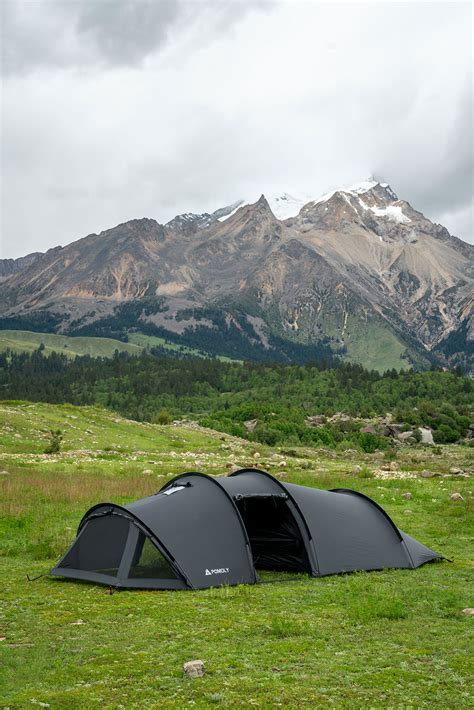
Maintaining personal space during group excursions can significantly improve overall satisfaction, especially when traveling with children, teenagers, or multiple adult couples. The inclusion of three distinct sleeping compartments within this Outsunny model allows campers to maintain individual routines. Parents can tuck younger children into one room while older youth or friends occupy another, minimizing the disruptions caused by differing sleep schedules.
These interior sleeping pods typically hang from the main outer shell, creating a double-wall effect that reduces condensation buildup and enhances temperature regulation. Privacy doors with mesh panels allow adequate airflow while keeping insects outside, striking a balance between ventilation and seclusion. When daytime interior space is needed, certain room dividers can often be rolled back or unzipped, transforming a multi-room layout into a more open, loft-like common area depending on the exact configuration.
The Utility and Comfort of the Integrated Front Porch
An often-overlooked element of outdoor comfort is the transitional space between the great outdoors and the private sleeping quarters. The front porch area of this tunnel tent serves as a dedicated mudroom, dining nook, and gear storage zone rolled into one. Instead of dragging wet boots, coolers, and backpacks directly into sleeping areas, campers can leave them protected under the extended canopy.
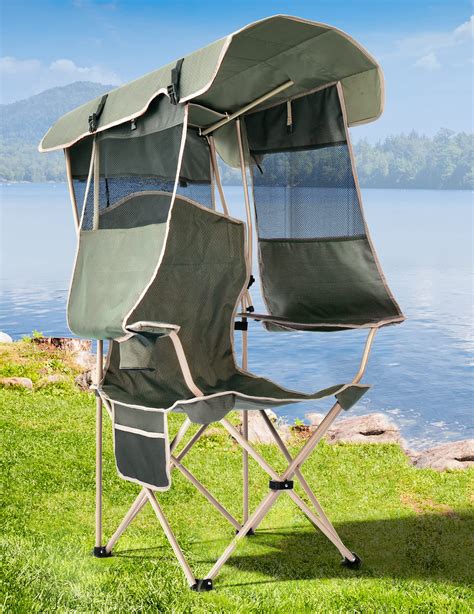
This sheltered threshold fundamentally changes the camping routine during unpredictable weather. When morning rain showers arrive, occupants can sit on camp chairs inside the porch area, sip coffee, and watch the scenery without feeling entirely confined to a sleeping bag. It creates a psychological buffer that mimics the entryway of a traditional house, keeping dirt outside and maintaining an organized interior environment throughout the duration of the trip.
Transport, Setup, and Weather Resistance Considerations
Deploying a large-capacity multi-room tent requires a realistic approach to logistics, packing weight, and physical assembly. Because of the generous square footage and robust pole structure, the packed size and total weight are considerably higher than standard backpacking or small weekend tents. Campers should ensure they have adequate trunk space in their vehicle and be prepared for a setup process that benefits greatly from having at least two adults working in tandem.
When it comes to weather resistance, the tent is engineered to withstand standard seasonal downpours and moderate breezes, provided all guy lines are taut and stakes are driven firmly into suitable ground. However, extreme storms, high-alpine gales, or heavy winter snow loads exceed the intended scope of typical family camping shelters. Homeowners and renters looking for a reliable spring, summer, and early autumn retreat will find this tent strikes a practical chord between residential comfort and portable outdoor engineering.
Frequently Asked Questions
How difficult is it to set up Outsunny’s 3-bedroom tunnel tent alone?
Due to its large size and parallel arch structure, setting up this tent is a two-person job. While experienced campers might manage parts of the assembly solo in calm weather, having a partner ensures the arched poles are guided safely into place without straining the fabric or sleeves.
Can the bedroom dividers be removed to create a single large space?
Many multi-room tunnel tents feature flexible inner partitions attached via toggles or zippers. Depending on the exact model year and configuration, interior walls can often be partially or fully stowed to expand living or sleeping areas according to your group size.
Is this tent suitable for all four seasons of camping?
This shelter is primarily designed for spring, summer, and autumn use. It handles rain and wind admirably when properly staked, but it is not built to withstand heavy winter snow accumulations or extreme alpine blizzard conditions.
Where should I store wet gear and muddy shoes?
The integrated front porch serves as the ideal drop zone for muddy footwear, damp jackets, and bulky coolers, preventing moisture and dirt from tracking into the private sleeping quarters.


