Finding furniture that bridges the gap between deep ergonomic relief and sophisticated interior design has long been a challenge for American homeowners. Traditional reclining armchairs often lean heavily into bulky silhouettes and synthetic coverings that dominate a room rather than complement it. However, the emergence of thoughtfully crafted natural recliner chairs changes this narrative by prioritizing organic textures, exposed wood frames, and breathable fabrics.
By swapping out oversized padding for sleek architectural lines and honest materials, these chairs serve as functional centerpieces that honor both relaxation and contemporary aesthetic standards. Whether you are outfitting a sunlit suburban living room or a compact urban apartment, incorporating natural elements ensures your relaxation zone feels intentional, grounded, and visually lightweight.
Defining the Natural Recliner Aesthetic
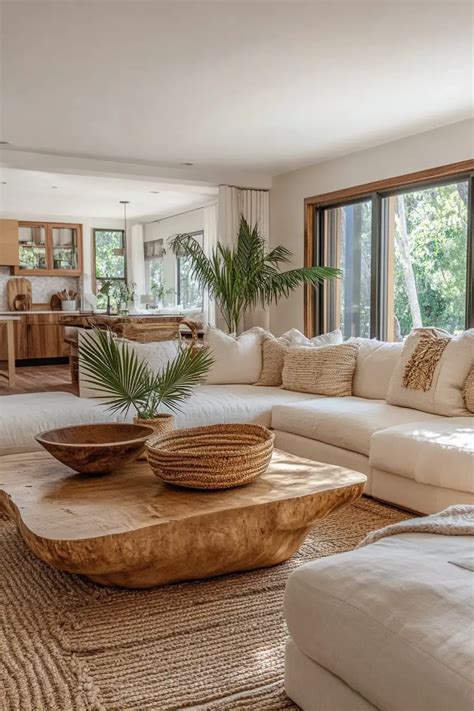
A true natural recliner chair avoids the heavy, monolithic look of conventional models by exposing its structural framework. Instead of concealing every mechanical joint beneath layers of synthetic foam, these designs often showcase solid wood armrests, walnut or white oak legs, and tactile upholstery options like raw linen, textured cotton blends, or buttery top-grain leather.
The profile is typically slimmer, featuring tailored cushions and hidden reclining mechanisms that operate smoothly without requiring a massive footprint. This design approach allows the chair to blend seamlessly alongside standard armchairs and sofas, eliminating the awkward visual disruption that often accompanies traditional reclining furniture in a curated living space.
Selecting Premium Materials for Durability and Style
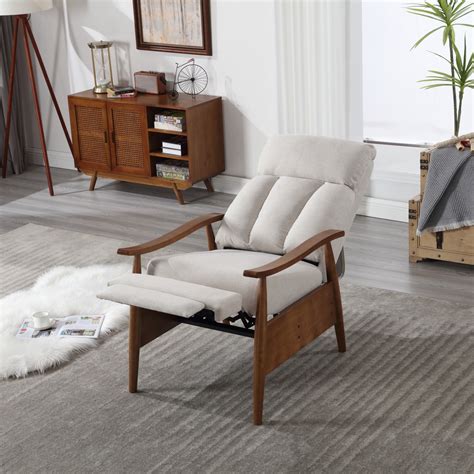
Investing in a natural recliner requires careful consideration of the raw components used in its construction. Sustainable hardwoods such as oak, maple, and walnut form a sturdy, resilient skeleton that ages gracefully over time, developing a rich patina with everyday use. When evaluating frames, look for joinery methods that promise long-term stability under shifting body weights and movement.
Upholstery choices dramatically impact both tactile comfort and visual warmth. Heavyweight linens and textured wool blends introduce a cozy, organic hand-feel that softens modern architecture. Meanwhile, untreated or semi-aniline leathers offer exceptional durability while aging into a supple, character-rich finish that resists everyday wear far better than synthetic alternatives.
Integrating Recliners into Modern US Interior Styles
Integrating a reclining chair into popular American interior design styles is entirely achievable when you match the chair’s finish to your broader decorating scheme. In a Japandi or minimalist setting, look for streamlined recliners with slender wooden frames and neutral canvas upholstery that emphasize clean lines and uncluttered floor space.
For coastal or modern rustic homes, opt for chairs featuring warm honey-toned woods paired with oatmeal-colored fabrics or distressed leather. Surrounding the chair with living greenery, woven jute rugs, and ceramic side tables helps anchor the piece, ensuring it feels like a natural extension of the room rather than an isolated comfort station.
Smart Space-Planning and Strategic Placement
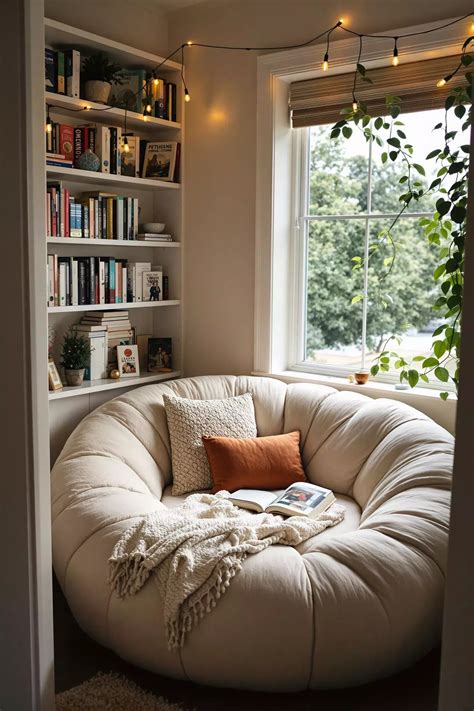
Placing a recliner requires a balance between spatial flow and full reclining clearance. In open-concept suburban living rooms, floating the chair away from the walls with a clear view of a fireplace or window creates an inviting reading nook. Ensure you leave adequate clearance behind the backrest and in front of the footrest so the mechanism operates without grazing adjacent coffee tables or bookshelves.
For smaller footprint layouts, consider wall-hugger recliner designs that glide forward as they recline, minimizing the required distance from the wall. Pair the chair with a slim, articulated floor lamp and a compact accent table to establish a complete, highly functional zone that maximizes every square foot without causing visual congestion.
Frequently Asked Questions
How do I choose a recliner that looks stylish and not bulky?
To avoid a bulky appearance, look for recliners that feature exposed wooden or metal legs, slim armrests, and tailored back cushions. Avoid models with overstuffed side pillows or floor-length skirts, as these design details add unnecessary visual weight and make the furniture look oversized in moderate rooms.
What are the best natural materials for durability and comfort?
Solid hardwoods like oak and walnut provide unmatched frame stability and structural integrity. For upholstery, top-grain leather and heavyweight woven linens offer an ideal combination of breathable comfort, tactile appeal, and long-term resistance to daily friction and wear.
How can a recliner fit into a minimalist or modern organic aesthetic?
A recliner fits into minimalist spaces when its mechanical functions are cleverly concealed within a streamlined silhouette. Stick to neutral color palettes, matte wood finishes, and simple geometric forms that harmonize with surrounding low-profile sofas and organic decor elements.
What maintenance is required for natural wood and upholstery finishes?
Natural wood frames benefit from occasional dusting with a soft cloth and periodic treatment with natural furniture oils to prevent drying out. Upholstery care depends on the fabric: vacuuming woven linens regularly and conditioning leather twice a year will keep your recliner looking pristine for decades.


