When planning a living room makeover, choosing leather furniture introduces both exceptional durability and strong visual presence. Because leather pieces naturally command attention due to their rich textures and substantial feel, they require thoughtful placement to ensure a balanced, welcoming atmosphere. Whether you are working with a sprawling suburban open-concept floor plan or a more compact urban layout, strategic positioning helps maximize both style and daily functionality.
Successfully integrating leather seating into your home relies on understanding how light, scale, and traffic patterns interact within your space. By pairing substantial leather sofas or sectionals with complementary textures and well-considered focal points, you can create a cohesive room that feels tailored rather than crowded. This guide explores creative layout strategies and styling approaches designed to help you transform your living area into a comfortable, visually engaging retreat.
Establishing the Focal Point in Open-Concept Spaces
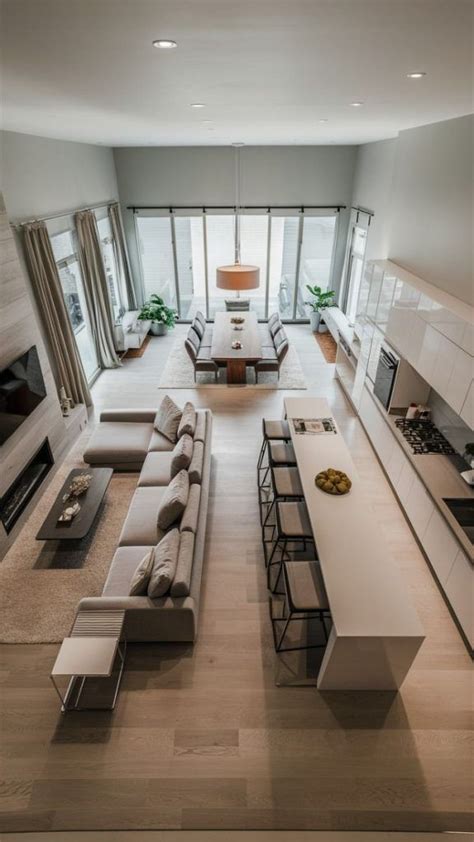
In many modern American homes, open-concept floor plans combine the kitchen, dining, and living areas into one expansive zone. When your living room floats in the middle of these larger architectural volumes, arranging a large leather sectional or sofa requires careful attention to traffic lanes. Instead of pushing all your furniture flat against the outer perimeter walls, consider floating the main leather sofa closer to the center of the room to anchor the living zone naturally.
Positioning the back of a leather sofa away from the kitchen or entryway creates a subtle psychological boundary that defines the seating area. To keep the back of the sofa from looking stark or unfinished against an open pathway, place a low-profile console table directly behind it. This provides a convenient drop zone for keys or mail while offering a surface to style with table lamps, books, or decorative trays, bridging the gap between the functional zones.
Balancing Visual Weight With Textiles and Lighting
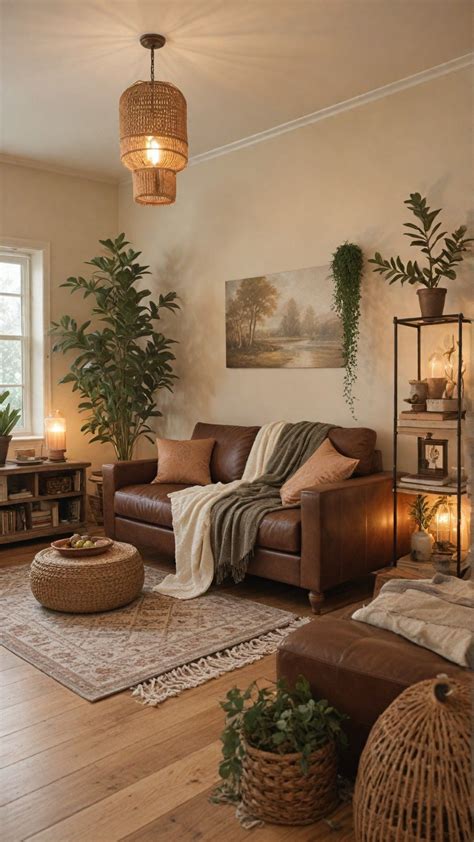
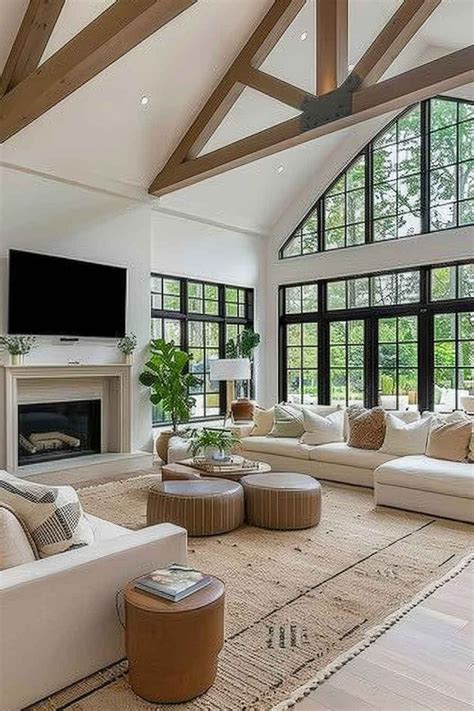
Leather furniture brings a heavy, grounding element to a room, which can sometimes make the space feel dark or overly formal if left unmodulated. To counteract this visual weight, layer lighter textiles around your leather centerpiece. Incorporating a large, high-pile wool or jute area rug underneath the coffee table and sofa breaks up hard flooring surfaces and immediately softens the overall aesthetic of the seating arrangement.
Textile accessories such as woven throw blankets, linen pillows, and textured curtains introduce contrast that complements the smooth finish of leather. Furthermore, thoughtful lighting design is essential for highlighting the natural grain and patina of leather upholstery. Rather than relying solely on a single overhead light fixture, combine floor lamps, table lamps, and wall sconces to cast warm, multidirectional illumination across the room.
Arranging Leather and Fabric Mixed Seating
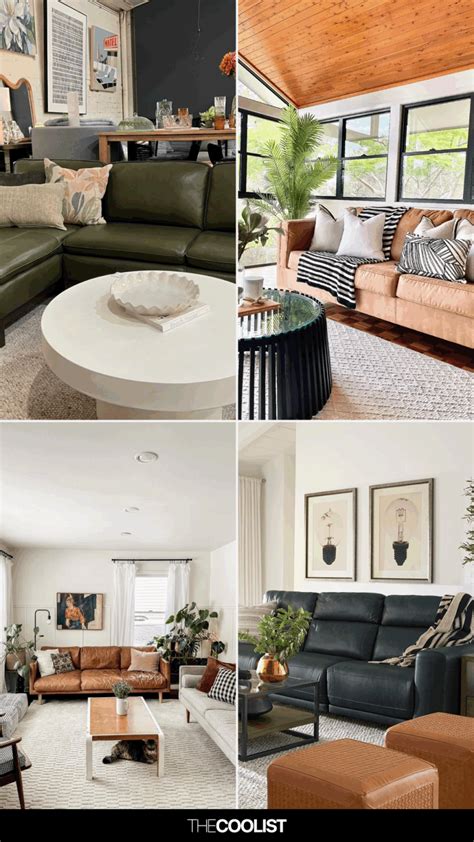
Pairing a leather sofa with fabric accent chairs is a time-tested interior design strategy that prevents a room from looking like a showroom set. When setting up this combination, aim for a balanced distribution of textures and colors. For instance, if you have a deep chestnut brown leather sofa, flank it with a pair of patterned upholstered armchairs in a soft neutral linen or performance boucle fabric to lighten the conversational circle.
Angle the accent chairs slightly toward the center of the room rather than lining them up rigidly parallel to the sofa. This encourages natural conversation and creates an inviting, organic flow. Ensure there is at least thirty inches of clear walking space between the pieces so family members and guests can move easily around the seating cluster without feeling cramped or blocked.
Addressing Layout Challenges in Smaller Living Rooms
Compact living rooms found in many traditional or apartment-style homes require precise furniture sizing and placement to avoid feeling overwhelmed by leather upholstery. In smaller spaces, opt for a streamlined leather loveseat or a sleek apartment-sofa paired with slender metal-frame accent chairs rather than an oversized reclining sectional. Keeping the legs of the furniture exposed allows light to pass underneath, making the floor area appear larger than it actually is.
Place the primary leather seating piece against the longest solid wall to maximize floor space, and use a glass-topped or acrylic coffee table to maintain visual transparency in the center of the room. Hanging a large mirror on the opposite wall will reflect natural light from windows, opening up the compact layout and ensuring your leather furniture feels like an intentional design statement rather than a spatial obstacle.
Frequently Asked Questions
How do I arrange a leather sectional in a standard American living room?
A leather sectional works best when anchored against a main wall or floated in an open-concept space with a clear traffic path around it. Ensure you leave adequate clearance for doors, pathways, and windows so the room remains functional.
How can I keep a leather furniture arrangement from feeling too dark or heavy?
Introduce lighter elements such as light-colored area rugs, woven throw blankets, linen pillows, and adequate layered lighting. Incorporating furniture with exposed legs also helps lighten the overall visual weight.
What are the best layout strategies for combining leather sofas with fabric accent chairs?
Create a conversational grouping by angling fabric armchairs toward the main leather sofa around a central coffee table. This mixes textures and keeps the layout feeling open and approachable.
Should leather furniture always face the television?
While TVs are common focal points, try to angle seating so it accommodates conversation as well as screen-watching. Combining the TV with a fireplace or large window as dual focal points creates a more versatile room layout.