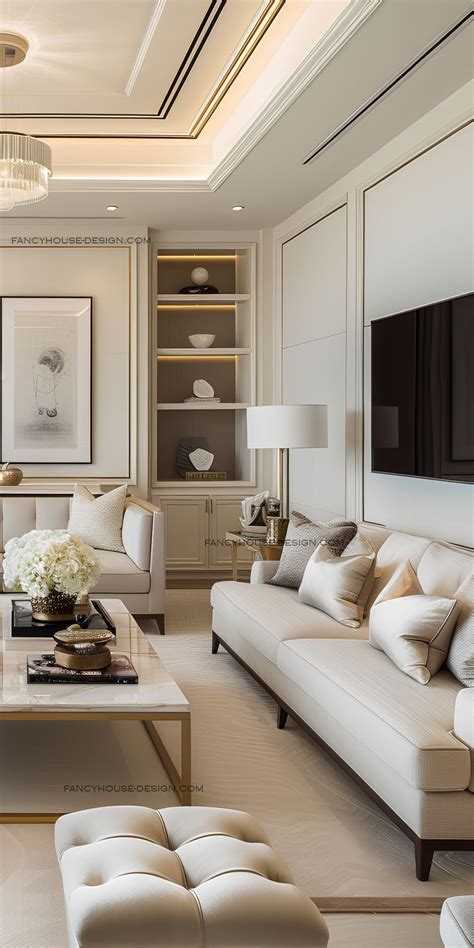
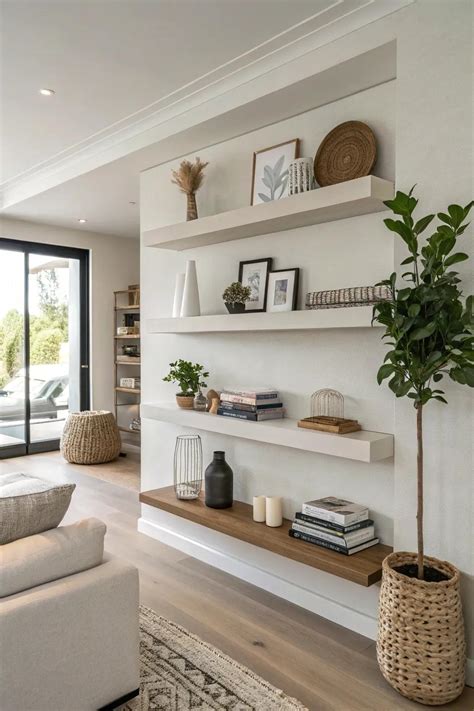
Finding the right accent furniture for your living room or foyer often hinges on a single versatile category: console and sofa tables. While these terms are frequently used interchangeably in everyday retail catalogs, understanding their subtle physical and functional distinctions can make the difference between a cramped walkway and a balanced, professionally styled interior layout. American homes feature diverse architectural footprints, ranging from open-concept suburban great rooms to compact urban apartments, making strategic furniture selection essential for daily convenience and visual harmony.
When evaluating pieces for your home, it helps to look beyond a simple catalog photograph and analyze how the furniture interacts with your existing traffic flow, wall space, and upholstery heights. A well-chosen table anchors a floating sectional, provides a drop zone for mail in a narrow entryway, or introduces much-needed vertical display space without overwhelming the room. By combining careful measurements with intentional styling choices, you can select a piece that looks custom-built for your floor plan.
Console Tables Versus Sofa Tables: Knowing the Difference

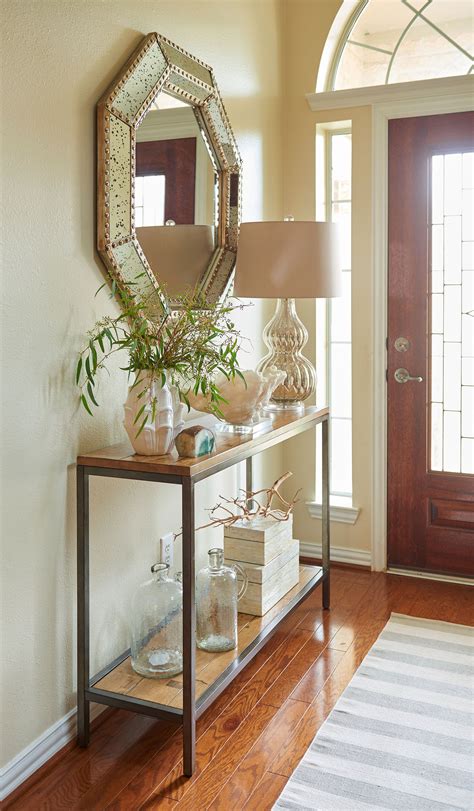
Although console tables and sofa tables share a remarkably similar narrow profile, their traditional uses and construction details set them apart in interior design. A classic console table is designed to stand flush against a structural wall, often anchoring an entryway, hallway, or dining room. Because it rests securely against a vertical surface, traditional consoles can sometimes feature asymmetrical silhouettes or delicate leg structures that rely on wall anchoring for complete stability.
Sofa tables, conversely, are engineered specifically to stand immediately behind a living room sofa, particularly when the seating arrangement floats in the center of an open-concept room rather than pushing against a wall. Consequently, sofa tables are typically finished on all four sides, including the back panel, ensuring that the furniture looks polished from every viewing angle. Their height is also meticulously matched to the top rail of standard American sofas, creating a seamless visual transition between the upholstery and the rest of the living space.
Mastering the Measurements: Height, Depth, and Length Guidelines
Getting the dimensions right is the single most critical step in purchasing accent furniture. For a sofa table placed behind a couch, the golden rule of thumb is that the table should either match the height of the sofa back or sit roughly one inch lower. Standard American sofa backs typically range from 30 to 36 inches in height, meaning most standard sofa tables fall comfortably within this same vertical range. Never select a table that towers significantly over your sofa, as it disrupts sightlines and feels awkward when you lean back against the cushions.
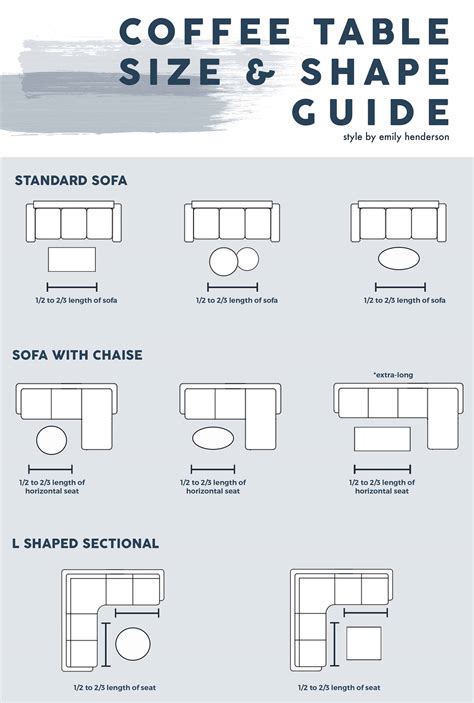
Depth and length require equal attention to ensure safe, comfortable movement throughout the room. To prevent bumped knees and cramped walkways, leave at least six inches of breathing room on either end of the sofa, meaning the table should ideally be shorter than the overall length of the couch. For depth, narrow profiles ranging from 12 to 15 inches are ideal for tight spaces, allowing you to display lamps and framed photographs without stealing valuable floor space from main walking pathways.
Matching Table Styles to Popular American Home Aesthetics
Your choice of material and finish should reflect the overarching design language of your home. In modern farmhouse or transitional spaces, weathered oak, reclaimed pine, and distressed painted wood bring warmth and rustic charm. These materials pair wonderfully with woven baskets underneath for hidden toy or blanket storage, adding both texture and practical utility to family-friendly rooms.
For contemporary or urban loft interiors, look toward industrial and modern minimalist designs that incorporate sleek black iron frames, tempered glass tops, or concrete-composite surfaces. These materials offer a lighter visual footprint, preventing smaller rooms from feeling overcrowded. Traditional homes, meanwhile, benefit from rich mahogany, cherry finishes, turned wooden legs, and classic brass hardware that coordinate effortlessly with formal living room architecture.
Function-First Choices: Storage, Hidden Drawers, and Media Use
Beyond aesthetics, accent furniture must work hard to support your daily household routines. If your living room lacks a designated drop-zone for TV remotes, coasters, and reading glasses, a console featuring shallow built-in drawers keeps clutter out of sight while maintaining a clean tabletop surface. Open lower shelves provide a fantastic staging ground for stackable storage boxes, art books, or heavy ceramic pottery.
In open-concept floor plans where the back of the sofa faces the dining area or kitchen, consider a multi-functional console equipped with integrated power strips and USB ports. This modern feature transforms a standard display surface into a convenient charging station or a compact laptop desk when paired with a tuck-under stool, maximizing the utility of every square foot in your home.
Styling Your Console or Sofa Table Like a Professional

Once your table is safely in place, the styling phase brings the entire arrangement together. Interior designers frequently rely on the rule of triangles when arranging vignettes on narrow tabletops. Placing a tall table lamp on one side, a medium stack of hardcover books in the center, and a low decorative bowl or sculptural object on the other side creates visual balance without generating annoying clutter.
Be mindful of negative space, especially on narrow sofa tables where safety is a priority. Avoid overcrowding the surface with oversized items that could easily be knocked off by passing pets or children. Instead, anchor taller elements securely toward the wall or the center of the sofa back, and incorporate organic touches such as a low vase of greenery or a small trailing houseplant to soften the clean geometric lines of the furniture.
Frequently Asked Questions
What is the main difference between a console table and a sofa table?
While both are long and narrow, a console table is traditionally designed to lean against a wall in an entryway or hallway, whereas a sofa table is specifically scaled to sit behind a sofa and is finished on all sides so it looks polished from every angle.
How tall should a sofa table be relative to the couch?
An ideal sofa table should match the height of your sofa’s back rail or sit approximately one inch lower. This prevents the table from looking awkward or blocking comfortable access to the seating.
How can I style a narrow console table without making it cluttered?
Use the triangle arrangement method: place one taller item like a lamp on one end, a medium-sized accent in the middle, and a low dish on the other end. Leave plenty of open surface space to keep the look light and intentional.
Are console tables safe for homes with children and pets?
Yes, provided you take proper safety precautions. Any console table placed against a wall should be secured with an anti-tip wall anchor. For sofa tables sitting behind a couch, ensure the piece is heavy enough or cushioned against the sofa so it cannot easily be tipped over.