Leather furniture has long held a revered status in American interior design, celebrated for its unmatched durability and timeless character. As we move into 2025, the conversation around leather is shifting from heavy, traditional club aesthetics to softer, more nuanced interpretations that breathe life into modern living spaces. Today’s design landscape embraces leather not merely as a utilitarian choice for high-traffic family rooms, but as a sophisticated anchor piece that elevates the entire room’s palette. Whether you are outfitting an open-concept suburban home or refreshing a compact urban apartment, understanding how to balance leather’s natural gravity with fresh, contemporary styling ensures your space feels curated rather than heavy.
Achieving this modern balance requires thoughtful consideration of color, texture, and spatial arrangement. The latest design movements move beyond standard chestnut brown, introducing unexpected pigment tones and matte finishes that interact differently with natural light. By pairing these updated leather silhouettes with contrasting soft textiles and architectural accents, you can create a living room that feels deeply inviting, highly functional, and distinctly ahead of the curve. Let us explore the key strategies and trends that will define leather elegance in American living rooms throughout 2025.
Embracing the 2025 Color Palette: Beyond Traditional Brown
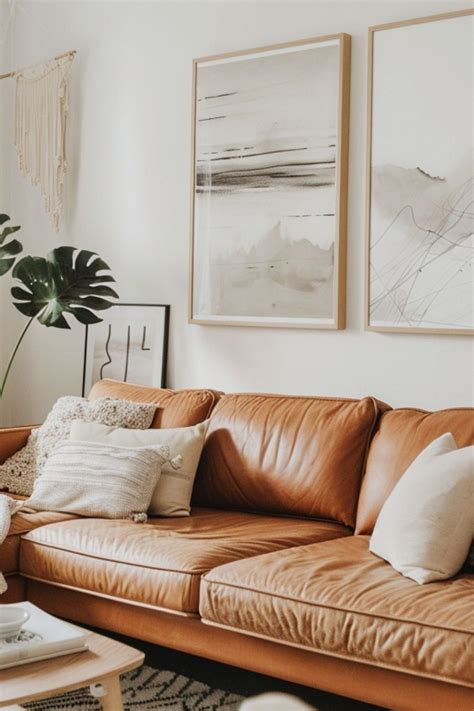
The defining shift for leather furniture in 2025 lies in its expanding color spectrum. While classic cognac and rich saddle brown remain perennially chic, contemporary palettes are leaning heavily into muted earth tones, warm caramels, mossy olives, and even chalky alabaster whites. These unexpected shades allow homeowners to integrate leather into lighter, airier color schemes without sacrificing the material’s inherent warmth. A moss green top-grain leather armchair, for instance, bridges the gap between biophilic design and classic tailoring, introducing a subtle pop of nature into a neutral seating arrangement.
When selecting a non-traditional leather hue, consider how natural light moves through your living room across different times of the day. South-facing American living rooms flooded with bright afternoon sun can handle deeper, moody charcoal or rich terracotta leathers gracefully, while north-facing rooms benefit immensely from buttery golden ambers and warm honey tones that artificially amplify light. Evaluating your room’s baseline exposure prevents the space from feeling cavernous and ensures your statement furniture piece commands attention for all the right reasons.
Mastering Tactile Contrasts: Mixing Leather with Soft Textiles
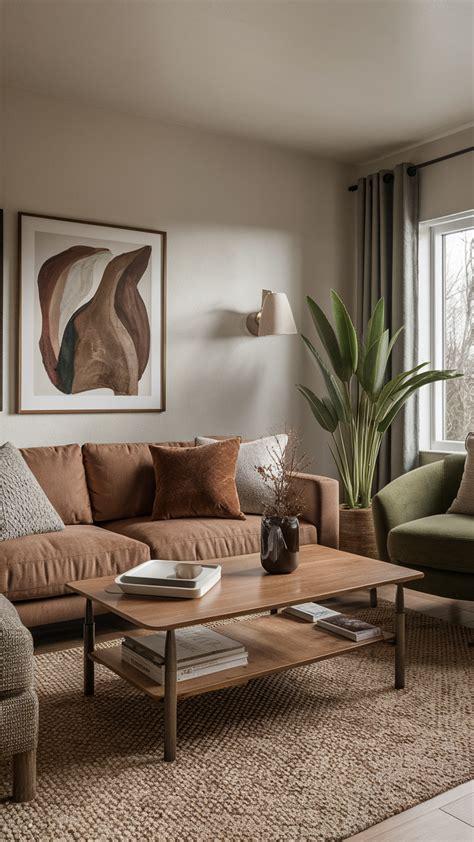
One of the most common hesitations homeowners face when introducing a leather sofa or sectional is the fear that the room will feel cold, stark, or overly masculine. The foolproof antidote to this design dilemma is intentional textile layering. Leather possesses a sleek, cool-to-the-touch surface that cries out for tactile counterbalances. In 2025, successful living room styling relies heavily on high-low textural mixing, pairing the smooth sheen of aniline leather with high-pile bouclé accent chairs, chunky knit wool throw blankets, and tactile linen-blend pillows.
To execute this look successfully, anchor your primary leather seating with a plush, high-texture area rug, such as a hand-knotted wool or textured jute blend. Layering textiles not only softens the visual weight of heavy leather frames but also introduces necessary physical comfort. Incorporating raw wood coffee tables, woven rattan baskets, and ceramic accessories further breaks up monolithic surfaces, creating a layered, collected-over-time aesthetic that feels entirely grounded and livable for modern households.
Spatial Strategies: Balancing Leather in Open-Concept and Compact Layouts
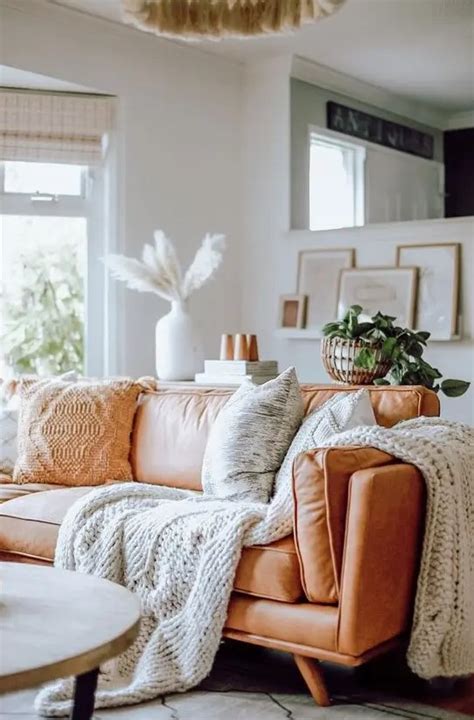
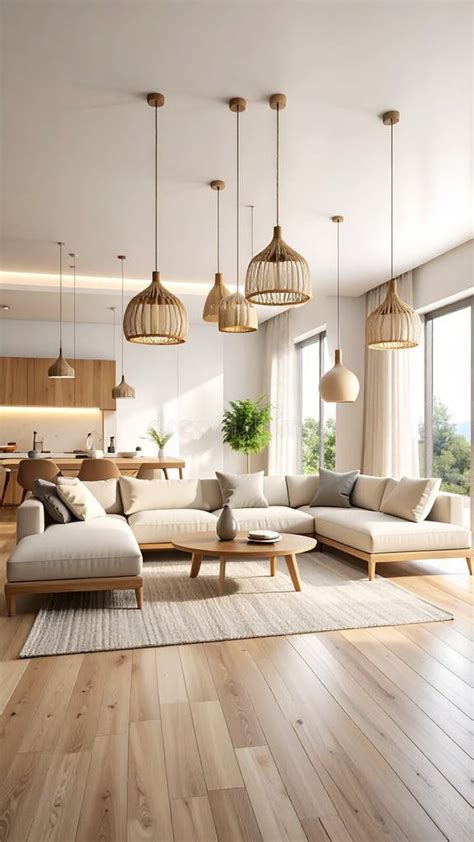
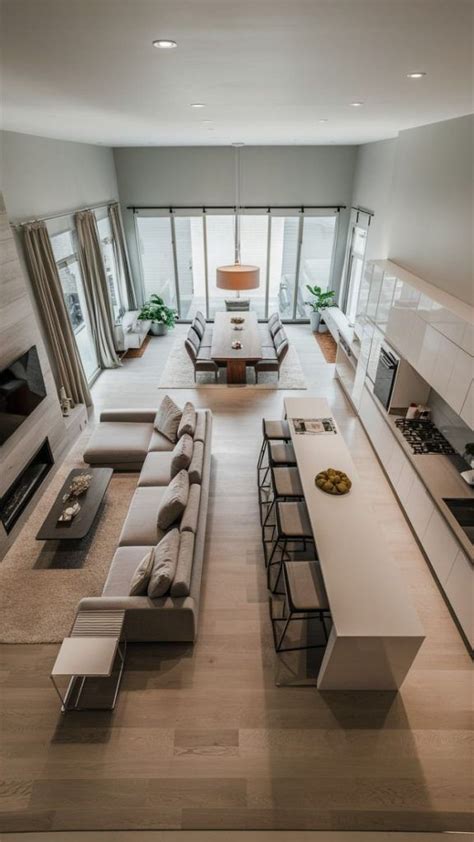
American floor plans frequently feature expansive open-concept layouts where the living room flows seamlessly into the kitchen and dining area. In these vast spaces, a large leather sectional serves as a phenomenal visual anchor, helping to delineate zones without obstructing sightlines. However, because leather carries significant visual gravity, positioning requires careful choreography. Pulling furniture slightly away from perimeter walls and floating a leather sofa in the center of the room encourages conversational flow and prevents the layout from feeling rigid or formal.
Conversely, for renters and apartment dwellers dealing with more modest square footage, incorporating leather requires a measured approach. Rather than committing to an oversized dark sofa that dominates a small room, opt for streamlined leather accent chairs, a sleek leather ottoman, or lighter caramel tones that reflect light. Pairing these pieces with glass-topped coffee tables and leggy mid-century modern frames maintains an open, airy sightline, proving that the luxury of leather can be successfully scaled down to fit any architectural footprint.
Understanding Leather Grades and Practical Maintenance for Real Life
True elegance in home decor must coexist with everyday practicality, particularly in homes shared with children, pets, and busy schedules. When investing in leather furniture, understanding the differences between material grades is essential for managing longevity. Full-grain leather showcases natural markings and develops a stunning, rich patina over time, making it exceptionally durable though susceptible to scratching. Top-grain leather, which has been lightly sanded, offers a more uniform appearance and greater stain resistance, striking an ideal balance for family-friendly spaces.
Maintaining your leather investment does not require complicated, burdensome routines, but it does demand consistency. Regular dusting with a soft, dry microfiber cloth prevents abrasive particles from settling into the natural pores of the material. For semi-annual upkeep, applying a specialized leather conditioner keeps the hide supple and prevents cracking, especially in homes with dry winter climates or direct radiant heating. By choosing the right grade and establishing simple maintenance habits, your leather furniture will gracefully weather daily life while retaining its sophisticated appeal for years to come.
Frequently Asked Questions
What leather colors are trending for living rooms in 2025?
The 2025 design landscape highlights warm caramels, muted moss greens, rich terracottas, and softer alabaster whites alongside traditional cognac and saddle brown, offering greater versatility for diverse color schemes.
How can I prevent a leather sofa from making my living room look dark or cold?
You can balance the cool, sleek surface of leather by layering contrasting tactile textiles such as chunky knit throws, bouclé pillows, high-texture wool rugs, and warm wood or natural fiber accessories.
What is the difference between full-grain and top-grain leather for family homes?
Full-grain leather is the highest quality, showing natural imperfections and developing a rich patina, while top-grain leather is lightly processed for a more uniform finish and enhanced stain resistance, making it great for active households.
Can renters incorporate the leather trend without buying large furniture?
Yes, renters can easily embrace this trend through smaller statement pieces such as leather accent chairs, ottomans, leather-wrapped decorative trays, or throw pillow details without making a major investment.