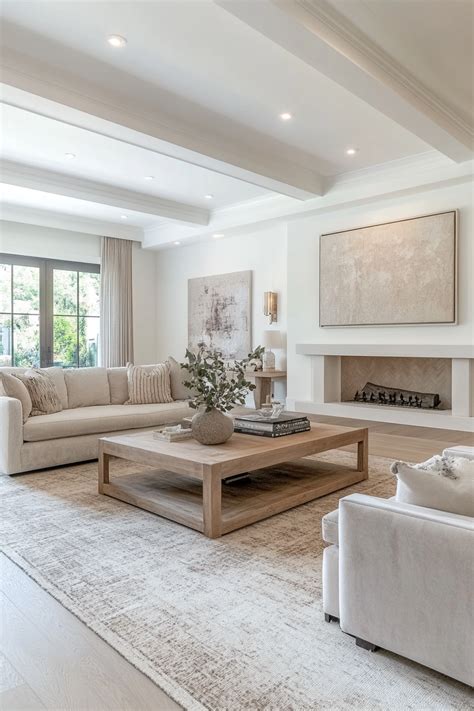
For years, homeowners faced a difficult design compromise: choose between the sleek, tailored silhouettes of traditional stationary sofas or surrender to the bulky, overstuffed aesthetic of legacy reclining furniture. Fortunately, contemporary furniture manufacturing has bridged this long-standing divide. Today’s stylish and comfortable sectional reclining sets offer sophisticated profiles, clean architectural lines, and advanced mechanical engineering that tucks away discreetly until activation. This evolution means you no longer have to banish ultimate comfort to the basement media room; instead, a well-chosen reclining sectional can anchor a primary living space with both elegance and unmatched relaxation.
Integrating a large multi-piece seating arrangement into an existing interior requires careful attention to scale, proportion, and visual weight. When approached with a thoughtful design strategy, these versatile furniture pieces elevate everyday living while accommodating movie nights, family gatherings, and quiet reading sessions with ease. Evaluating your room’s natural focal points, traffic flow, and lighting will ensure your new seating arrangement feels like a natural extension of your home rather than an overwhelming physical barrier.
Overcoming the Bulky Aesthetic: Design Versatility in Modern Recliners
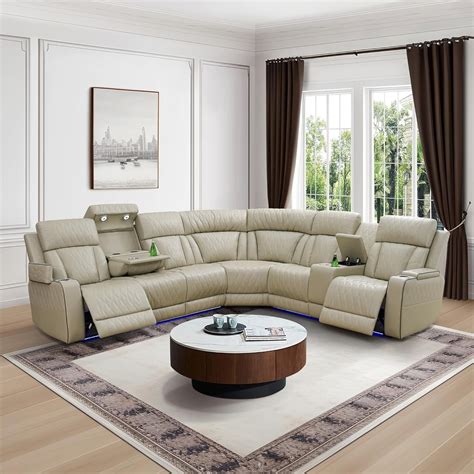
One of the most common hesitations regarding reclining furniture stems from the fear of visual heaviness. Traditional recliners often featured thick, protruding padded arms and massive footrests that dominated small or medium-sized rooms. Modern sectional designers have addressed this by employing streamlined profiles, tapered wooden or brushed metal legs, and tailored channeling that draws the eye upward rather than emphasizing horizontal mass. Selecting models with power-recline mechanisms rather than bulky manual levers further minimizes visual clutter, maintaining a clean silhouette whether the seat is upright or fully extended.
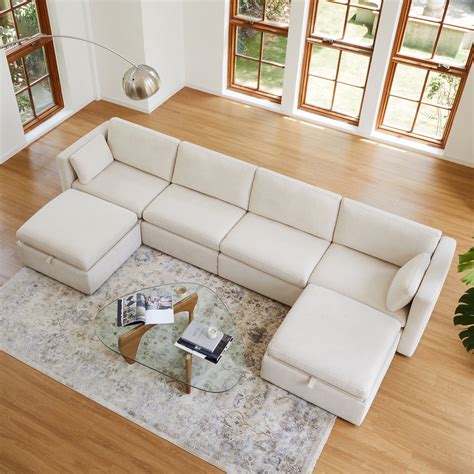
Another effective strategy for keeping a large sectional feeling light is paying attention to clearance and base design. Sectional sets featuring elevated bases or slender legs allow light to pass underneath, creating an airy illusion that visually shrinks the physical footprint of the furniture. Pairing your sectional with a glass-top or open-frame coffee table enhances this sense of openness, ensuring the room remains balanced, breathable, and deeply inviting for guests and household members alike.
Sizing and Spatial Planning for Reclining Sectionals
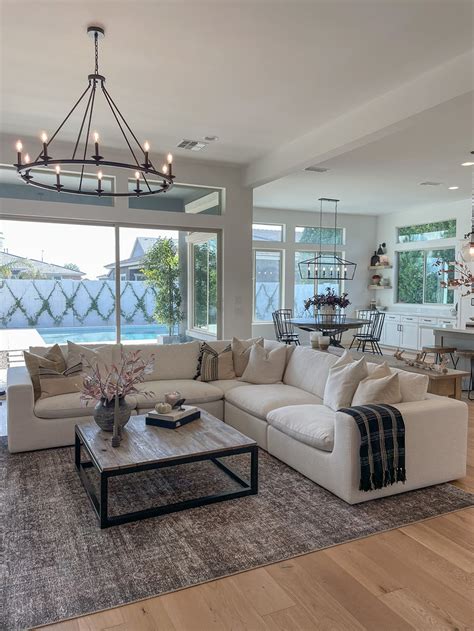
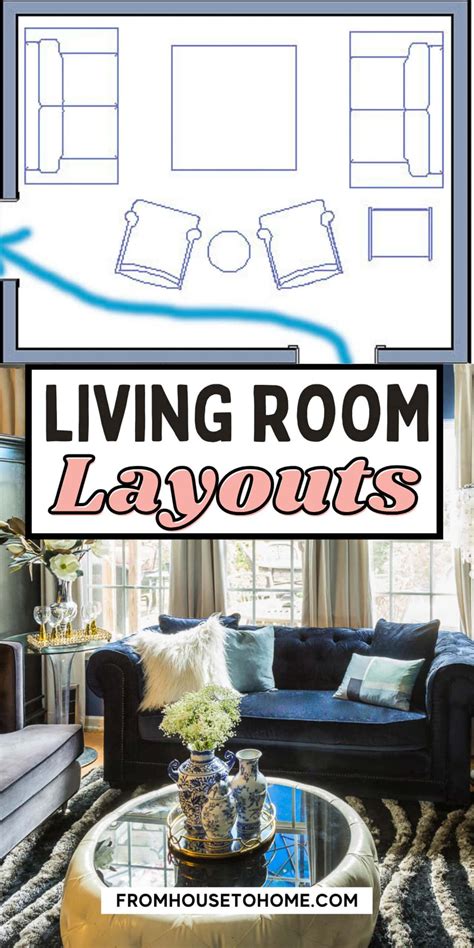
Before purchasing any large furniture configuration, meticulous spatial planning is essential to prevent traffic bottlenecks. Reclining sectionals require more than just the floor space of their stationary footprint; you must account for the wall clearance needed for power recline functions, as well as the extended footrest clearance. Wall-hugger mechanisms are particularly useful for tighter layouts, as they slide forward while reclining rather than requiring significant space behind the backrest. Mapping out the room with painter’s tape on the floor helps visualize exactly how much walking space remains around the perimeter.
Room shape heavily dictates whether an L-shaped or U-shaped sectional configuration will succeed. In open-concept living spaces, an L-shaped sectional acts as a natural room divider, cleanly separating the living zone from the dining or kitchen areas without blocking sightlines. For square rooms, positioning the sectional away from the corners by a few inches can make the space feel surprisingly custom-designed and high-end, preventing the heavy, boxed-in feeling that occurs when oversized furniture is pushed directly against every available wall.
Material and Upholstery Choices for Durability and Style
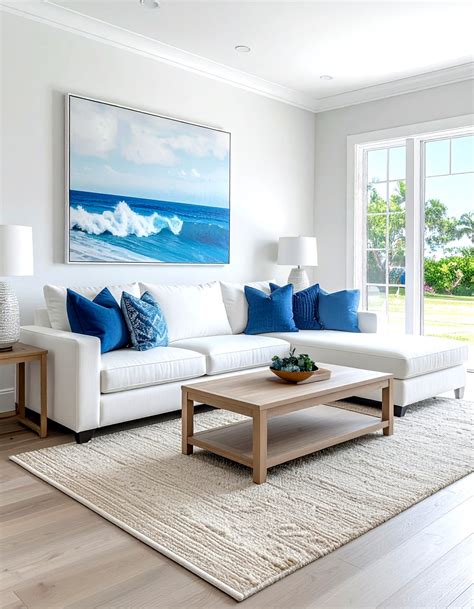
The longevity and visual appeal of your seating investment depend heavily on the upholstery material you select. For households with active children, pets, or frequent entertainers, performance fabrics such as heavy-duty microfiber, crypton, or solution-dyed acrylics offer exceptional stain resistance and durability without sacrificing softness. These textiles mimic the texture of luxury linens or fine velvets while providing industrial-strength resistance to everyday wear, fading, and accidental spills.
If you prefer the timeless sophistication of genuine leather, look for top-grain or full-grain hides that develop a rich, character-filled patina over time. Leather handles daily use remarkably well and is naturally hypoallergenic, though it requires routine conditioning to prevent drying out. For homes looking for a balance between luxury and budget, high-grade synthetic leathers offer a supple hand-feel and easy wipe-down maintenance, making them an adaptable choice for bustling American family rooms.
Evaluating Build Quality and Internal Mechanisms
Aesthetics and comfort are important, but the internal construction determines whether your sectional will endure years of daily use. High-end reclining sectionals utilize kiln-dried hardwood frames joined with reinforced corner blocks, preventing warping and structural squeaks over time. When evaluating potential models, inquire about the seat support system; sinuous steel springs combined with high-resiliency foam cushions offer superior bounce-back performance and prevent the dreaded sagging center.
The reclining mechanism itself is the heartbeat of the furniture. Look for heavy-duty steel frames powered by smooth, quiet motors that allow infinite stopping positions rather than rigid preset angles. Checking manufacturer warranties on both the frame and the electrical components provides peace of mind, signaling that the brand stands behind the structural integrity and mechanical reliability of their product.
Frequently Asked Questions
How can I choose a reclining sectional that doesn’t look bulky?
To avoid a bulky look, opt for designs with slim track arms, tapered exposed legs, and power-recline mechanisms that eliminate manual levers. Elevating the furniture slightly off the floor lets light pass underneath, reducing its visual weight.
What space planning is required for sectional reclining sets?
You must account for both the stationary footprint and the extension range of the footrests. Consider wall-hugger mechanisms if your layout requires placing the sofa close to a wall, and always tape out the dimensions on your floor before buying.
Which upholstery materials are best for families and pets?
Performance fabrics like solution-dyed wovens and treated microfibers offer superior stain resistance and scratch durability. Alternatively, top-grain leather is resilient and easy to wipe clean, making it great for high-traffic homes.
What features define a high-quality reclining mechanism?
High-quality mechanisms feature heavy-duty steel frames, quiet motors, and infinite-position adjustments. Combined with kiln-dried hardwood frames and high-resiliency foam, they ensure long-lasting comfort and structural stability.