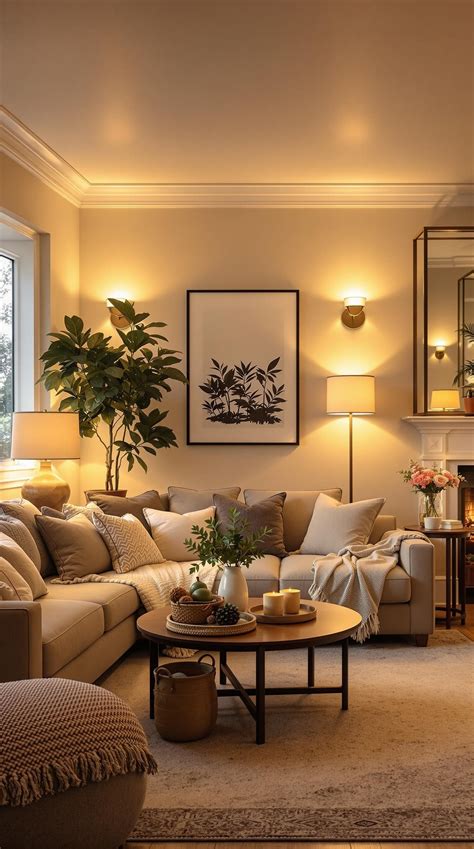
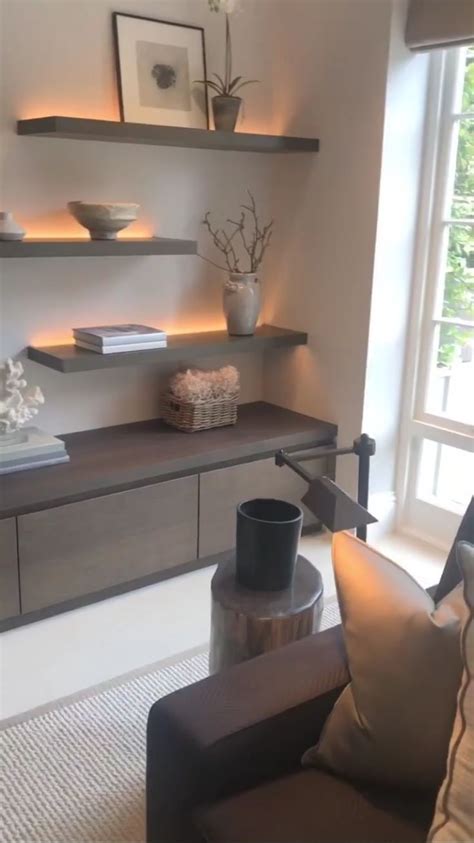
For decades, the traditional reclining sofa came with an unspoken design compromise: maximum physical comfort traded away completely for bulky, overstuffed aesthetics that dominated the living room. Homeowners across the United States often faced a difficult dilemma when designing their spaces, choosing between a sleek, contemporary silhouette that complemented modern interior architecture or a plush, mechanical recliner that prioritized relaxation at the expense of visual harmony. Fortunately, the furniture market has undergone a remarkable transformation over recent years.
Today’s innovative reclining sofas and sectionals prove that you no longer need to sacrifice style for luxury. By integrating advanced engineering directly into low-profile frames, contemporary manufacturers have redefined what ergonomic seating looks like. Whether you are outfitting an open-concept suburban family room or a streamlined urban apartment, modern reclining furniture offers sophisticated design solutions that blend seamlessly into your curated home decor.
The Evolution of Reclining Sofas: From Bulky to Sleek
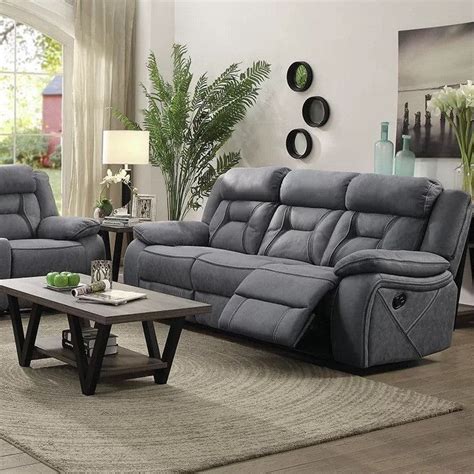
The traditional image of a reclining sofa usually involves heavy, overstuffed pillow-top arms, massive back cushions, and a distinct clearance gap that screamed mechanical functionality. These older models functioned well for movie nights, but they frequently ruined the visual balance of a well-decorated living room. Modern designers have completely overhauled these proportions, utilizing hidden mechanisms and slim-profile frames that mimic standard stationary sofas.
Contemporary reclining sectionals now feature tailored tailoring, clean track arms, and streamlined pedestal or recessed bases. This design shift allows the furniture to anchor a room just as effectively as a high-end designer piece. When the mechanisms are closed, guests will rarely guess that the sophisticated sofa they are sitting on houses multiple motorized reclining zones, making high-end ergonomic comfort entirely compatible with minimalist or transitional interior aesthetics.
Overcoming Traditional Design Hurdles

Integrating mechanical furniture into a carefully styled room used to present major spatial challenges. Older recliners required significant distance from the wall to fully extend, often forcing awkward room layouts where furniture had to float in the center of the space. Modern engineering has largely solved this issue through wall-hugger mechanisms and zero-wall clearance designs, allowing you to place your sofa just inches away from the living room wall without sacrificing full recline functionality.
Key Innovative Features to Look For
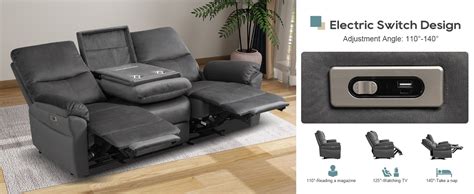
Modern reclining furniture is packed with subtle technological upgrades designed to enhance daily convenience without cluttering your living space. Power recline functionality has largely surpassed manual levers, offering smooth, infinitely adjustable positioning at the touch of a hidden button. Many advanced models include memory settings, allowing family members to program their favorite lounging angles for reading, relaxing, or sleeping.
Beyond motion mechanics, manufacturers have integrated practical lifestyle utilities directly into the upholstery frames. Built-in USB and USB-C charging ports, concealed wireless device charging pads, and subtle reading lights are frequently built into console arms or side panels. These features keep cords out of sight and maintain a clean, uncluttered aesthetic across your primary entertaining and resting area.
Understanding Power Versus Manual Mechanisms
When selecting your reclining sofa, you will need to weigh the distinct trade-offs between power and manual systems. Manual pull-latch recliners are typically more budget-friendly and eliminate the need for proximity to wall outlets, but they offer fewer stopping positions and can require physical effort to close properly. Power recliners provide effortless, silent adjustments and infinite angle options, though they require careful placement near a power source and introduce electrical components that may eventually require maintenance.
Choosing the Right Configuration for U.S. Living Room Layouts
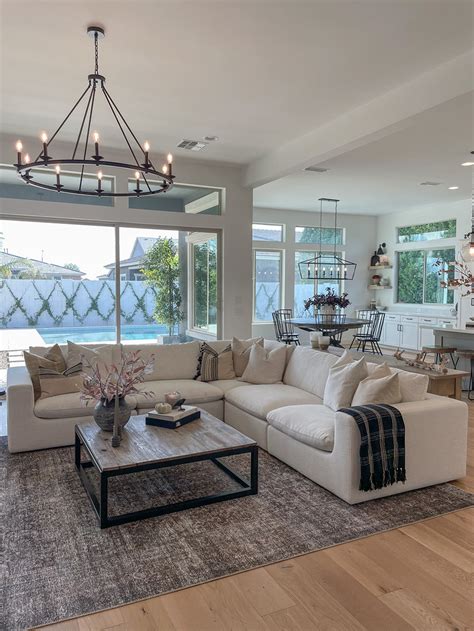
American living rooms vary widely in size and architectural flow, ranging from sprawling suburban great rooms to compact urban apartments. Selecting the right configuration requires a careful assessment of your room’s traffic patterns, focal points, and scale. Reclining sectionals offer incredible versatility, allowing you to maximize corner spaces and provide ample seating for families and guests without overwhelming the room.
For medium-sized or open-concept spaces, an L-shaped reclining sectional can help naturally zone an open floor plan, separating the living area from an adjacent dining space or kitchen. Conversely, if your room has strict spatial limitations, a standard three-seater sofa with dual power recliners on the ends often delivers the desired comfort level without blocking essential pathways or windows.
Spatial Planning and Clearance Considerations
Before purchasing any large reclining sectional, mapping out the room dimensions with painter’s tape on the floor is an essential practical step. Remember to measure not only the footprint of the sofa in its closed position but also the maximum extension length when fully reclined. Furthermore, always verify delivery logistics, as bulky sectional frames must navigate tight hallways, stairwells, and apartment elevators during the moving process.
Material and Upholstery Options for Modern Homes
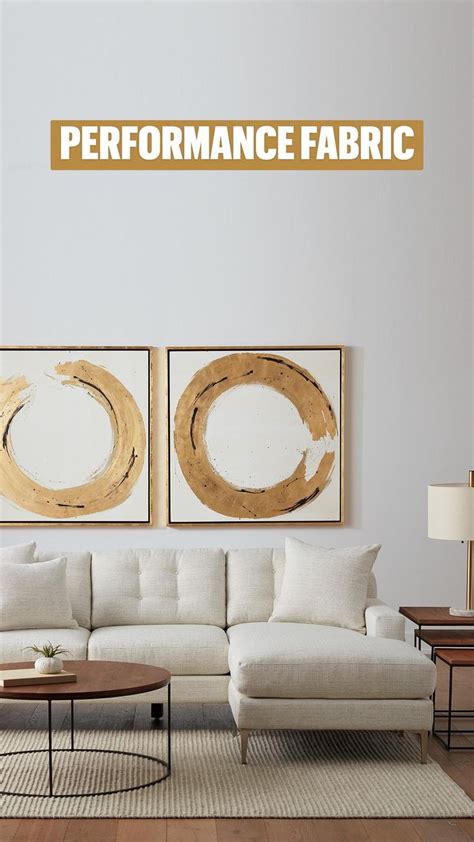
The longevity and daily usability of your reclining sofa depend heavily on the upholstery material you choose. Households with active children, pets, or frequent entertainers will benefit immensely from high-performance fabrics. Modern performance textiles are engineered to resist stains, repel moisture, and withstand heavy everyday friction while maintaining a soft, luxurious hand-feel that rivals traditional velvet or woven linen.
Top-grain leather remains a classic, durable choice that develops a rich patina over time and easily wipes clean of spills. However, leather can feel cool in winter and warm in summer, whereas breathable performance microfibers offer a more temperature-neutral seating surface. When evaluating upholstery, always check the manufacturer’s rub count and cleaning codes to ensure the material aligns with your household’s actual lifestyle demands.
Balancing Durability with Aesthetic Appeal
Choosing an upholstery color and texture requires balancing practical maintenance with your overarching interior design palette. Neutral tones like charcoal gray, warm taupe, or creamy ivory provide a versatile foundation that adapts well to changing seasonal decor accents through throw pillows and blankets. Textured wovens also help conceal minor dust and everyday wear much better than solid, flat-weave fabrics.
Integrating Reclining Sectionals into Modern Home Decor
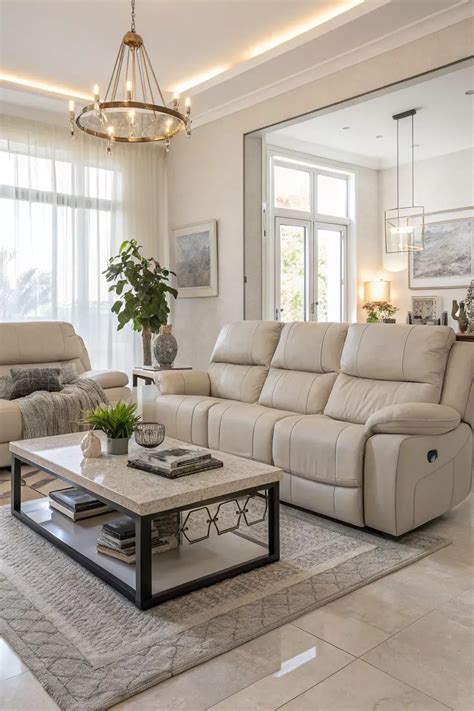
Successfully styling a room around a reclining sectional comes down to softening the visual weight of the furniture through thoughtful accessorizing. Because reclining sectionals tend to feature heavier bases and structured cushions, you can balance the room by pairing them with lighter-weight accent pieces, such as slim metal-frame coffee tables, open-leg occasional chairs, and airy window treatments.
Layering textures is another effective strategy to elevate the look of functional furniture. Drape a lightweight textured throw blanket over one corner of the sectional and add a curated mix of patterned accent pillows to break up expansive solid upholstery surfaces. Positioning a warm floor lamp or stylish table lamp nearby draws the eye upward, creating a cozy, intentional atmosphere that feels entirely bespoke rather than purely utilitarian.
Frequently Asked Questions
How can I find a reclining sofa that doesn’t look bulky?
Look for models featuring slim track arms, recessed or tapered legs, and low-profile back cushions. Modern manufacturers design these pieces with hidden mechanisms that mimic the clean lines of standard stationary sofas.
What are the latest technological features in modern reclining sofas?
Advanced models frequently include smooth power-recline motors with infinite positioning, built-in USB and USB-C charging ports, wireless device pads, power adjustable headrests, and integrated lumbar support.
Are reclining sectionals suitable for small or medium-sized living rooms?
Yes, provided you choose the correct scale and layout. Compact L-shaped sectionals or two-piece configurations with zero-wall clearance mechanisms can fit comfortably without overwhelming smaller footprints.
How do I choose between leather and performance fabric for a reclining sectional?
Top-grain leather offers exceptional durability and a timeless look but requires conditioning, while performance fabrics provide stain resistance, breathability, and a softer texture well-suited for families and pets.