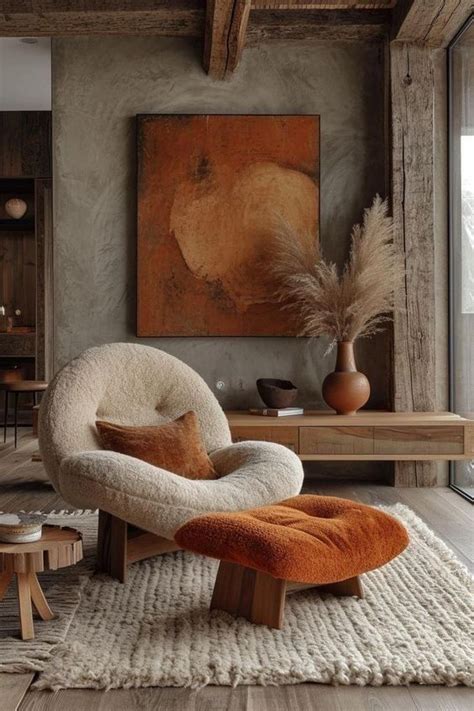
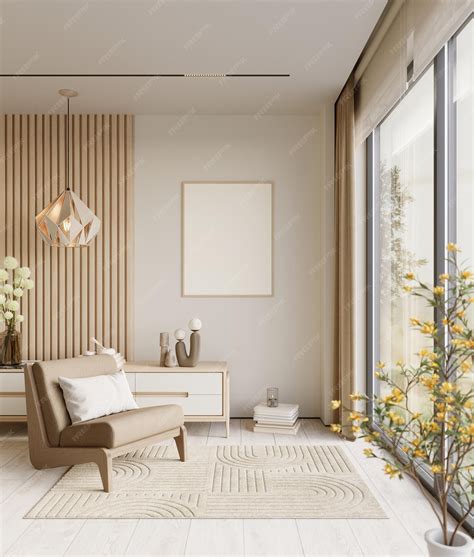
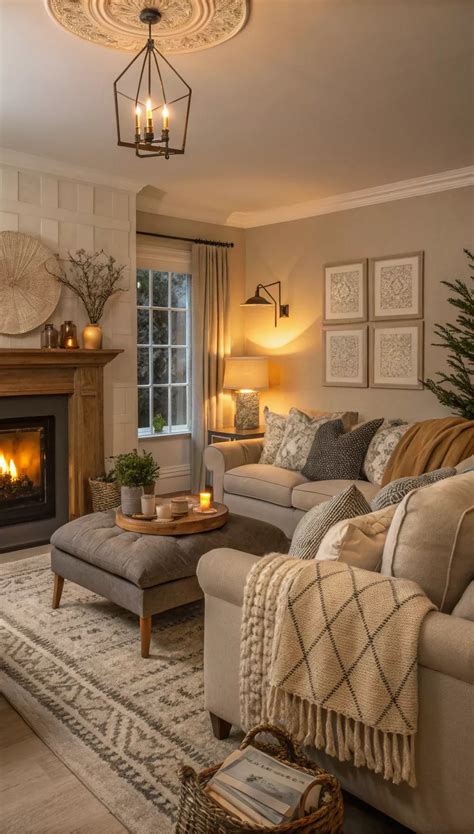
When most people think of a reclining chair, their minds drift immediately to the oversized, overstuffed vinyl monstrosities that once dominated basement entertainment rooms. However, the world of living room furniture has evolved dramatically. Today’s modern recliners cleverly disguise their mechanical internals within sleek silhouettes, slim track arms, and tailored upholstery. Finding the right piece means balancing the desire for absolute, head-to-toe relaxation with the sophisticated interior design of your main living space.
Creating a dedicated relaxation nook with a reclining chair requires careful planning regarding room flow, mechanical operation, and tactile materials. By understanding the distinct operational types, precise spatial requirements, and fabric options available, you can introduce a functional comfort zone that elevates rather than detracts from your room’s overall aesthetic.
Shattering the Stigma: Finding a Modern Recliner That Complements Your Decor
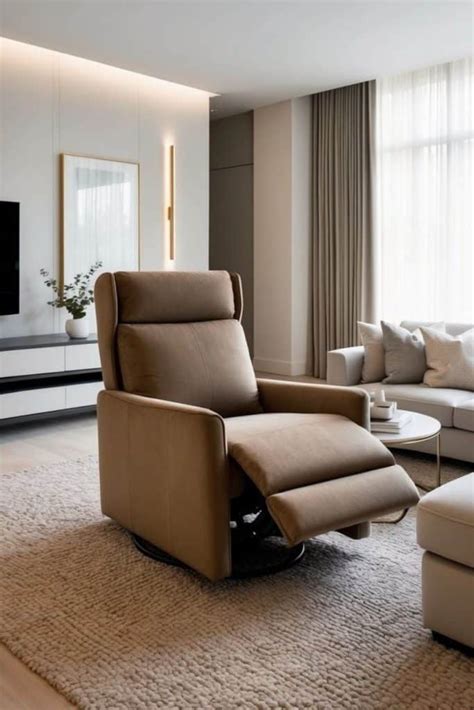
The primary challenge when shopping for a living room recliner is overcoming the traditional bulky aesthetic. Modern furniture manufacturers have responded to this design demand by engineering chairs with slim profiles, tapered wooden legs, and concealed footrests that maintain a clean silhouette when fully upright. Selecting a silhouette that echoes the existing furniture in your home—such as matching the arm style of your primary sofa—ensures the chair looks intentional.
Another key strategy for maintaining a polished look is investigating push-back recliners or hidden power mechanisms. Unlike classic pull-handle models that require a massive bulk behind the seating cushion, push-back designs rely on your body weight to recline smoothly, mimicking the clean lines of a traditional club chair. This subtle integration allows the chair to anchor a reading corner or sit gracefully beside a fireplace without drawing unwanted attention to its mechanical nature.
Navigating Mechanism Choices: Manual vs. Power and Wall-Huggers
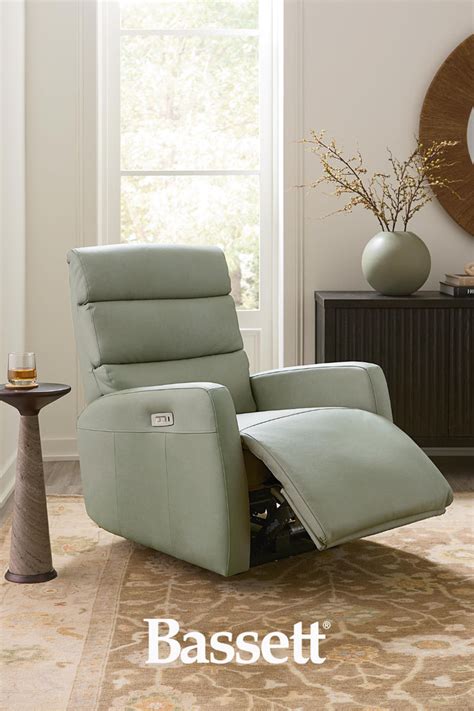
The internal mechanism of your reclining chair dictates both its daily functionality and its placement constraints within your living room. Manual recliners generally rely on a lever or a simple push-back motion, offering straightforward reliability without the need for electrical cords. They are wonderfully versatile for placement away from walls, but they typically lock into only two or three fixed positions, which might not offer your ideal lumbar angle.
Power recliners, conversely, provide infinite micro-adjustments for headrests, footrests, and lumbar support, operated via discreet buttons often tucked subtly between the seat cushion and armrest. For tighter floor plans, wall-hugger mechanisms are an ingenious engineering solution. These chairs slide forward on a track as they recline, requiring only a few inches of clearance from the wall behind them, making them exceptional choices for apartment living or compact family rooms.
Spatial Planning: Measuring Your Room for Clearance and Flow
Before falling in love with a particular chair silhouette, accurate spatial planning is mandatory to prevent traffic bottlenecks. Measure not just the footprint of the chair in its upright position, but its maximum extension length when fully reclined. Account for the swing radius of the footrest and ensure that walking paths between your coffee table, media console, and the recliner remain unobstructed by at least thirty inches.
Pay close attention to vertical clearance and ceiling fans or low-hanging pendant lights if you plan on placing the chair near the center of the room. Mapping out the floor space with painter’s tape before purchasing provides a tangible preview of how the piece will inhabit the room. This simple step prevents the common regret of buying a chair that overwhelms its intended corner or forces an awkward layout rearrangement.
Selecting the Right Upholstery for Durability, Pets, and Style
The upholstery you choose bridges the gap between tactile comfort and everyday household practicality. Performance fabrics, tightly woven linens, and heavy-duty top-grain leathers each bring distinct trade-offs to a high-traffic living room. If you share your home with pets or young children, performance velvet or tightly woven micro-fibers are often superior choices because they resist claw snags and clean easily with mild soap and water.
Leather introduces a timeless, sophisticated patina that softens gracefully over years of use, though it requires occasional conditioning to prevent cracking and can feel warm in direct sunlight. Textured chenille or tweed-like wovens add incredible visual depth and cozy warmth to a corner, but they demand more attentive vacuuming to keep dust and crumbs out of the deep weave crevices.
Styling Your Reclining Corner: Lighting, Layers, and Accessories
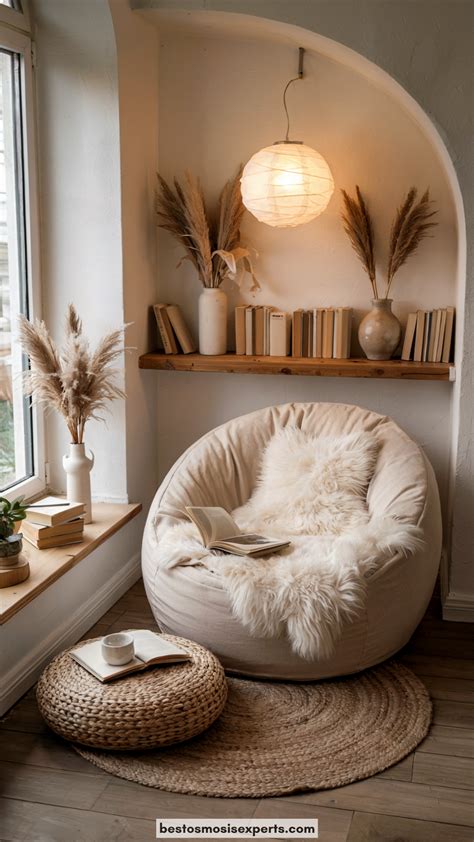
Once your reclining chair is positioned, the surrounding styling transforms it from a solitary seat into an inviting micro-environment. Ground the corner with a plush, textured area rug that visually separates the relaxation zone from the rest of the living room. Add an adjustable task floor lamp or a sleek swing-arm sconce overhead to create the ultimate reading nook illumination without relying on harsh overhead lighting.
Layer the chair itself with tactile accessories like a lightweight throw blanket draped casually over one arm and a supportive lumbar pillow that complements your room’s accent color palette. Placing a slender C-table nearby provides a convenient surface for a cup of tea or a book, ensuring everything you need for an afternoon of unwinding is within arm’s reach while maintaining a neat, curated appearance.
Frequently Asked Questions
How do I choose a recliner that doesn’t look bulky?
Look for recliners with exposed wooden legs, slim track arms, and high-back profiles rather than overstuffed, pillow-top arms. Push-back recliners and models with concealed power controls also maintain a sleek silhouette that mimics standard club chairs.
What is the difference between wall-hugger, push-back, and power recliners?
Wall-huggers slide forward on a track as they recline, requiring minimal space behind the chair. Push-back recliners use your body weight to recline without levers. Power recliners use electric motors for smooth, infinite adjustments of the footrest, headrest, and lumbar support.
How much space do I need to leave behind a recliner?
Traditional manual recliners often require 12 to 18 inches of clearance from the wall to recline fully. However, wall-hugger recliners require as little as 3 to 6 inches of clearance, making them ideal for smaller living rooms.
Which fabrics are best for high-traffic living rooms or pet owners?
Performance fabrics, tightly woven micro-fibers, and heavy-duty performance velvet are excellent for pet owners because they resist claw snags and clean easily. Top-grain leather is also durable and wipes clean, though it requires regular conditioning.
How can I make a recliner look intentional in a cozy corner?
Ground the chair with a distinct area rug, add a dedicated floor lamp or reading light, and pair it with a functional side table or C-table. Layering a textured throw blanket and an accent pillow helps integrate the chair seamlessly into the room’s decor.