Transitioning from traditional backpacking setups to spacious family shelters opens up an entirely new dimension of outdoor recreation. For many households, the key to a successful camping trip lies in bridging the gap between rugged nature and familiar indoor comforts. Family-friendly tents equipped with dedicated living spaces, upright cabin walls, and multiple rooms transform the campsite into a functional temporary home. Instead of squeezing sleeping bags and duffels into a cramped dome tent, campers can enjoy distinct zones for resting, changing clothes, and sheltering from afternoon rain showers without stepping on one another.
Evaluating these larger structures requires looking beyond simple square footage. True comfort involves spatial ergonomics, reliable weather protection, intuitive assembly, and smart zoning that accommodates children, pets, and gear alike. By understanding how different layouts function in real-world conditions, homeowners and renters can select a shelter that makes outdoor getaways feel effortless and genuinely relaxing.
Defining the Multi-Room Tent Experience
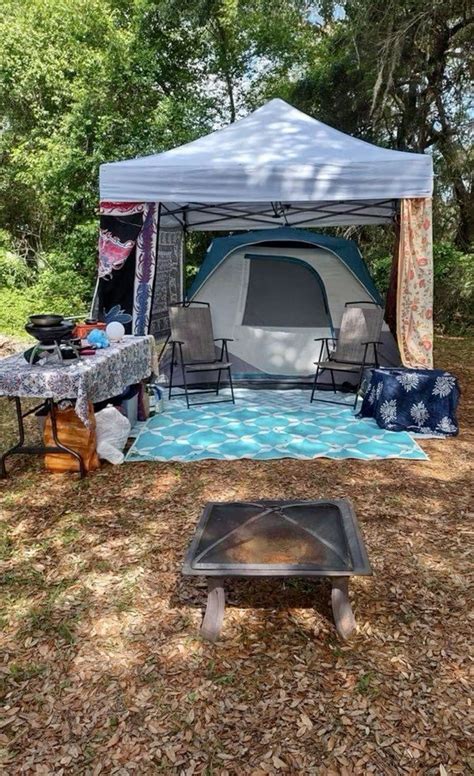
A multi-room tent diverges significantly from the classic single-chamber dome design by incorporating interior dividers, screened porches, or separate vestibule areas. These structural zones allow families to create private sleeping quarters while maintaining a central communal space. Parents can tuck younger children into bed on one side of the divider while still having ample room to read, organize gear, or relax in the main area without disturbing sleeping household members.
Beyond privacy curtains, many modern family models feature a front screen room or porch zone. This transitional space serves as an invaluable buffer against the elements. It provides a dry, protected perimeter for shedding muddy hiking boots, storing coolers, or sitting comfortably protected from mosquitoes during humid summer evenings. Incorporating this physical buffer keeps the inner sleeping chambers cleaner and extends the functional footprint of your campsite.
Spatial Dynamics: Standing Height and Cabin Architecture
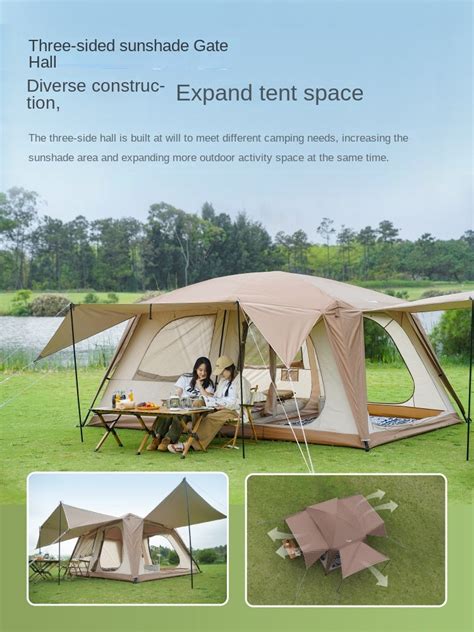
One of the most immediate upgrades you notice when moving to a family-oriented cabin tent is the vertical wall architecture. Traditional dome tents slope inward sharply, limiting usable floor space and forcing adults to crouch or crawl throughout the interior. Cabin-style tents utilize near-vertical walls and high center peaks, often reaching six to seven feet in height. This verticality lets adults stand fully upright, making it significantly easier to change clothes, set up cots, or manage restless toddlers.
However, this architectural design introduces important trade-offs regarding weather performance. While vertical walls maximize interior volume and home-like comfort, they also present a larger surface area to catch strong winds. When shopping for high-walled cabins, it is vital to examine the frame construction—sturdy steel poles or robust hybrid aluminum-fiberglass poles provide the structural rigidity necessary to withstand unexpected gusts better than flimsy all-fiberglass alternatives.
Prioritizing Weatherproofing and Climate Management
Achieving home-like comfort outdoors means staying dry and comfortable regardless of shifting atmospheric conditions. Quality family tents utilize high-denier polyester or nylon fabrics treated with durable water repellent (DWR) coatings, paired with fully taped seams to prevent moisture from seeping through needle holes. A full-coverage rainfly that extends down the sides of the tent is essential for heavy downpours, while welded polyethylene bathtub floors keep ground moisture from rising through the bottom.
Ventilation is the other half of the weather equation. Large tents holding multiple occupants can quickly accumulate condensation if air cannot circulate freely. Look for models featuring large mesh ceiling panels, adjustable ground vents, and mesh-backed windows that promote cross-ventilation. Proper airflow prevents the interior from becoming stuffy on warm summer nights while effectively reducing the morning condensation that dampens gear.
Practical Setup and Transport Considerations for Households
The sheer size of multi-room family tents often leads buyers to worry about complex assembly processes. Fortunately, many manufacturers utilize color-coded pole systems, continuous pole sleeves, and pin-and-ring fasteners to streamline the pitch. While setting up a massive cabin tent generally requires at least two adults, pre-attached hub systems and instant-tent pop-up frames have drastically reduced setup times, allowing families to transition from car to camp in under twenty minutes.
Transporting these spacious shelters requires careful consideration of your vehicle’s cargo capacity. Comfort-focused tents are inherently heavier and pack down into larger duffels than backpacking alternatives. Before purchasing, verify the packed dimensions against your trunk or roof rack space. Additionally, always practice setting up the tent in your backyard or local park before embarking on a major trip. This dry run ensures all stakes, guylines, and poles are accounted for and familiarizes everyone with the layout.
Smart Zoning: Organizing Gear and Sleeping Arrangements
Maximizing the benefits of a multi-room tent relies heavily on thoughtful interior organization. Assigning specific zones for sleeping, storage, and daytime activity keeps the space functional rather than chaotic. Utilize hanging organizers, gear lofts, and stackable plastic bins to keep loose items off the floor. Designating a dedicated “mudroom” corner near the entrance for shoes, wet rain gear, and trash bins preserves the cleanliness of the inner sleeping compartments.
Sleeping arrangements also dictate your overall comfort level. While a tent manufacturer might state a capacity of eight people, that usually assumes tight sleeping pads squeezed shoulder-to-shoulder with zero walking room. For genuine home-like comfort, subtract two from the rated capacity if you plan to use bulky air mattresses, camping cots, or pack-and-plays. This simple adjustment ensures you retain comfortable pathways and adequate storage space throughout your stay.
Frequently Asked Questions
What defines a family-friendly tent with a living space?
A family-friendly tent with a living space features a multi-room layout or an integrated screened porch alongside traditional sleeping areas. This design separates communal living or storage zones from private bedrooms, providing enhanced organization and privacy.
How many rooms do large family tents typically offer?
Most large family tents offer between one and three distinct internal zones. These are often created using removable fabric divider curtains that split a large open floor plan into separate private sleeping cabins and a central common area.
Are multi-room tents difficult for families to set up?
While larger than standard dome tents, many modern family models use color-coded poles, clips, and hybrid frame designs to simplify pitching. While it usually requires two adults, a bit of practice makes the assembly process straightforward and efficient.
How do I choose the right size tent for my household?
A reliable rule of thumb is to subtract two from the manufacturer’s stated capacity if you prefer using cots, thick air mattresses, or want walking space. This accounts for gear storage and provides a more comfortable, less crowded experience.