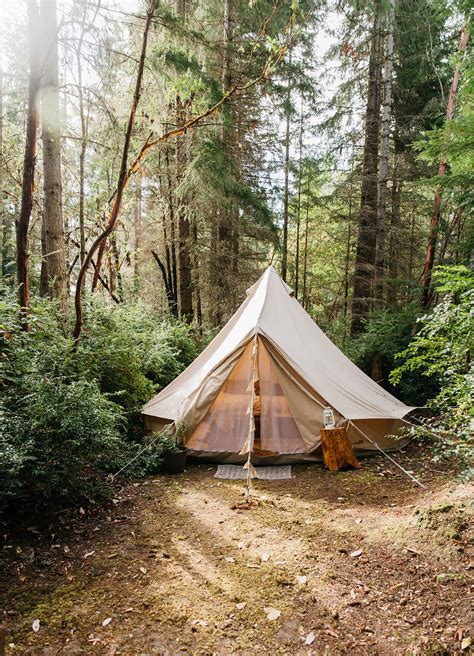
For modern outdoor enthusiasts across the United States, camping no longer means sacrificing the creature comforts of home. Whether you are planning a weekend getaway at a national park or an extended summer road trip, upgrading to a multi-room tent transforms a traditional campsite into a well-organized outdoor home. These spacious shelters offer distinct living, sleeping, and storage zones, allowing families and groups to maintain personal space while enjoying the beauty of nature together.
Choosing the right shelter requires balancing spacious floor plans with practical considerations like weather resistance, setup time, and packing weight. When evaluating options for American campsites—which range from breezy coastal shores to humid southeastern woodlands and rugged western mountains—understanding structural integrity and layout versatility is essential. This curated guide examines top-tier multi-room tent models, breaking down their design features, spatial configurations, and real-world performance to help you make an informed investment.
Why Upgrade to a Multi-Room Tent?
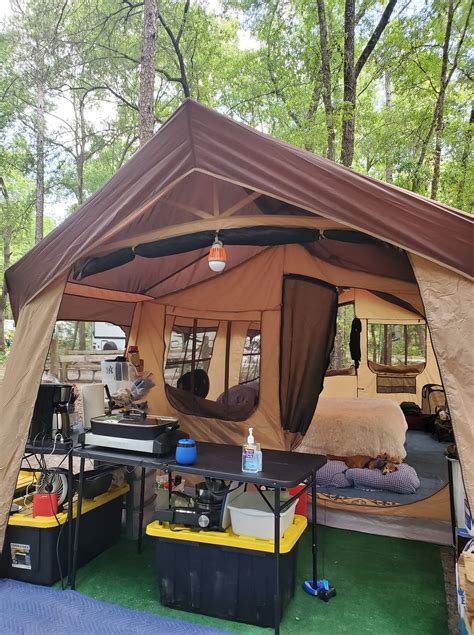
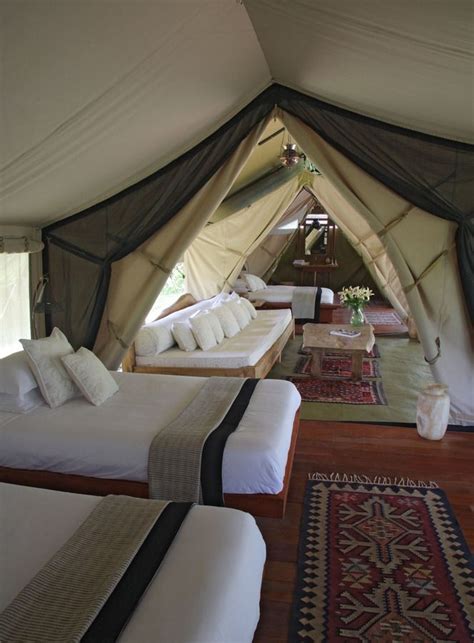
Traditional single-room dome tents can feel cramped and chaotic, especially when multiple people share the same floor space for sleeping, changing, and storing gear. Multi-room tents solve these common frustrations by incorporating interior privacy walls, zippered doors, and sometimes even screened porches that function much like an indoor foyer. This separation of spaces keeps sleeping quarters tidy, prevents muddy boots from tracking across sleeping bags, and provides much-needed privacy for changing clothes or putting young children to bed early.
Beyond functional organization, multi-room tents significantly enhance the overall aesthetic and emotional experience of camping. Walking into a tall, well-lit cabin tent with high ceilings allows adults to stand up fully, eliminating the back strain associated with crouching in low-profile domes. Features like room dividers with integrated storage pockets and large mesh windows create an open, airy atmosphere that feels closer to a glamping retreat than a basic wilderness shelter. For families balancing active outdoor schedules with downtime, having a dedicated lounge area makes rainy afternoons comfortable rather than miserable.
Key Features to Evaluate Before You Buy
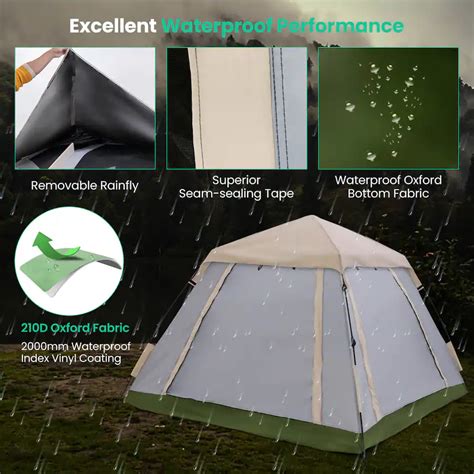
When shopping for a multi-room tent, looking past marketing claims to evaluate core specifications will save you from unexpected weather woes and setup headaches. Pay close attention to waterproof ratings, commonly expressed as hydrostatic head measurements, alongside factory-taped seams and bathtub flooring designs. A robust rainfly that extends well past the doors and windows is non-negotiable for unpredictable U.S. weather patterns, preventing moisture from seeping through zippers or side walls during sudden afternoon thunderstorms.
Setup complexity is another critical factor, particularly if you arrive at your campsite close to dusk or prefer traveling light. Modern multi-room cabin tents often utilize color-coded steel or fiberglass poles and pin-and-ring systems to streamline assembly, but due to their sheer size, these models almost always require two people to pitch efficiently. Additionally, check the ventilation layout. Look for ground vents, mesh ceilings, and adjustable fly panels that promote cross-ventilation, preventing condensation buildup on chilly mornings without letting drafts in.
Top 9 Multi-Room Tents for U.S. Campers
Navigating the vast array of available shelters can be overwhelming, so we have organized a curated selection of top-performing multi-room tents tailored to various camping styles, group sizes, and regional climates.
1. Coleman WeatherMaster 10-Person Tent with Screen Room

The Coleman WeatherMaster is a staple for family campers seeking reliable weather protection combined with a protected screen porch. Its hinged front door provides quick, door-like access, while the welded floors and inverted seams help keep the interior dry during heavy downpours. The screened porch acts as a bug-free mudroom, perfect for storing wet gear or relaxing in the evening.
2. Core 12-Person Instant Cabin Tent
If speed and ease of assembly are your top priorities, this instant cabin model features pre-attached poles that allow the entire structure to pop up in under two minutes. It offers three distinct rooms with removable dividers and boasts a massive center height, making it easy for tall adults to move around comfortably without ducking.
3. Ozark Trail 11-Person 3-Room Instant Cabin Tent
A budget-friendly powerhouse for large groups, the Ozark Trail instant cabin divides into three functional zones using zippered curtains. It includes three separate entry doors so family members can come and go without disturbing others, and its large windows provide ample natural light and ventilation.
4. Eureka! Copper Canyon LX 6-Person Tent
Known for its near-vertical walls and sturdy steel-and-fiberglass frame, the Eureka! Copper Canyon offers exceptional interior volume. It features a sleek cabin design that resists wind shear effectively when properly guyed out, and the large mesh roof panels make it an ideal choice for stargazing on warm, clear summer nights.
### 5. Browning Camping Big Horn Two-Room Tent
Featuring extra-sturdy fiberglass poles and steel hub extensions, the Big Horn is built for campers who value rugged durability. Its straight-wall architecture maximizes interior cot placement, and the two large doors offer private access to each of the two distinct rooms.
6. Core 10-Person Straight Wall Cabin Tent
This traditional pole-supported cabin tent offers a balance of stability and spaciousness, complete with an adjustable ground vent system that draws in cool air from the ground and pushes hot air out through the mesh ceiling. The included room divider creates a two-room layout ideal for couples or small families.
7. NTK Laredo GT 8 to 9-Person Tent
Engineered with a heavy-duty, fungus-resistant polyethylene flooring system with a bathtub-style construction, the NTK Laredo excels in humid climates. Its full-coverage rainfly protects against driving rain, while the breathable polyester micro-mesh fabric keeps insects safely on the outside.
8. VEVOR Canvas Tent Bell Tent with Stove Jack
For campers leaning toward a glamping aesthetic, this cotton canvas bell tent offers unmatched durability and natural insulation. While technically a single open space, heavy-duty canvas wall dividers can be arranged, and the integrated stove jack makes it a favorite for extended shoulder-season camping trips.
9. Kamp-Rite Tent Cot Double with Extended Base
While distinct from traditional floor tents, Kamp-Rite’s modular off-the-ground system can be configured into multi-person setups, making it an excellent choice for solo campers or couples who want to avoid sleeping directly on rocky, uneven, or damp ground.
How to Choose the Right Size and Layout for Your Group
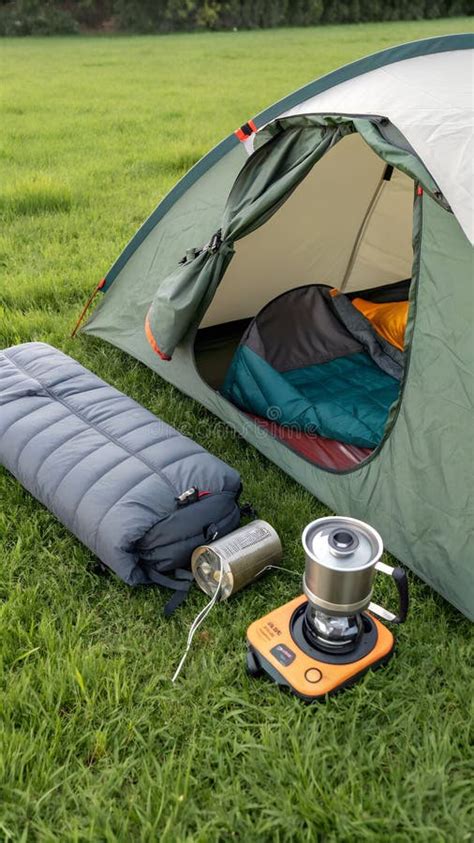
Manufacturer occupancy ratings in the camping industry typically assume that every square foot of floor space is occupied by a standard sleeping pad, leaving virtually no room for gear bags, chairs, or personal movement. As a practical rule of thumb, if you plan to use air mattresses, cots, or pack bulky gear inside the tent, you should subtract two to three people from the manufacturer’s stated capacity. A family of four, for example, will find a six to eight-person multi-room tent far more comfortable for a weekend trip than a tightly packed six-person model.
Layout is equally important when considering how your group operates throughout the day. Tents with T-shaped interior walls create distinct, private bedrooms on either side of a central living area, which works wonderfully for families with older children or multiple couples sharing a site. Conversely, linear two-room configurations are easier to fit onto smaller, wooded campsite pads commonly found in state and national parks across the United States. Always check your preferred campground’s pad dimensions before purchasing an oversized multi-room shelter.
Maintenance and Care Tips to Extend Tent Longevity
Investing in a high-quality multi-room tent means protecting that investment through proper cleaning, drying, and storage habits. Never pack a tent away while it is damp, as trapped moisture promotes mold growth and degrades waterproof polyurethane coatings within days. If you must pack up during a morning rainstorm, unpack the tent as soon as you return home and pitch it loosely in a garage or basement until it is completely dry.
Additionally, always use a custom-fit footprint or a heavy-duty tarp underneath your tent floor to protect against sharp twigs, rocks, and abrasive soil. When cleaning fabric, avoid harsh detergents or washing machines; instead, use mild soap, lukewarm water, and a soft sponge to spot-clean dirty areas. Finally, lubricate sticky zippers periodically with a silicone-based zipper cleaner to prevent fabric jams and ensure smooth operation season after season.
Frequently Asked Questions
How difficult is it to set up a multi-room tent by yourself?
Most multi-room tents are designed for two people due to their large footprint, long flexible poles, and heavy fabric weight. While instant cabin tents with pre-attached frames can be pitched solo in calm weather, traditional pole-supported cabin tents are challenging to assemble alone, especially in windy conditions.
Are multi-room tents waterproof enough for heavy storms?
Many multi-room tents feature water-resistant fabrics, taped seams, and full-coverage rainflies that handle moderate rain effectively. However, because of their tall walls and large surface areas, they are generally less aerodynamic than dome tents and require proper guy-line staking during severe windstorms.
Can I stand up inside a multi-room tent?
Yes, the vast majority of multi-room cabin tents feature center heights ranging from 6 to 7 feet, allowing most adults to stand upright, walk around, and change clothes comfortably without crouching.
How do I manage condensation inside a large tent?
Condensation occurs when warm breath and body heat meet cold tent walls. You can minimize this by keeping ground vents and mesh windows partially unzipped to maintain continuous airflow throughout the night.