Designing a stunning living room requires a careful balance between aesthetic appeal and everyday functionality. Whether you are settling into a sprawling suburban split-level or trying to maximize natural light in a compact urban apartment, thoughtful planning makes all the difference. Across American homes, the living room serves as a multi-purpose hub for family gatherings, quiet evenings, and entertaining guests. To achieve a cohesive look, successful interior design relies on structured principles rather than random purchasing.
Approaching your living room design with a strategic mindset helps prevent costly mistakes like buying furniture that overwhelms the floor plan or choosing paint colors that clash with your flooring. By breaking down the transformation into manageable categories—ranging from layout planning to lighting and textiles—you can create a balanced environment that feels both curated and deeply comfortable for daily living.
Mastering Layout and Space Planning
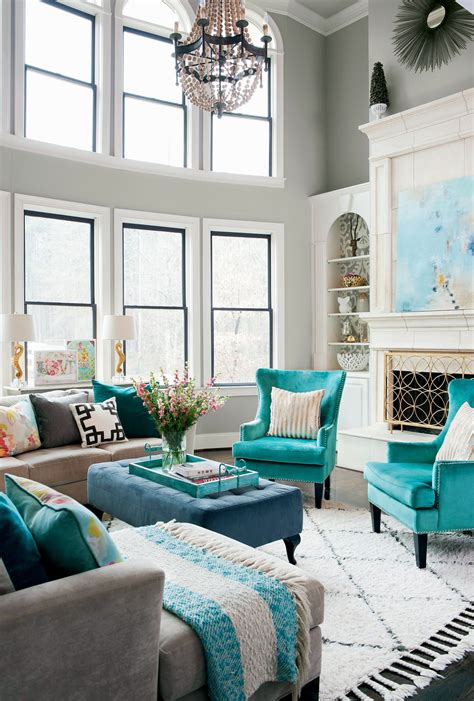
The foundation of any successful room design begins with how you organize your floor space. In many American open-concept homes, the primary challenge is defining distinct zones without building physical walls. Start by identifying the natural focal point of the room, whether it is a traditional fireplace, a television, or a large picture window overlooking the front yard. Arrange your primary seating arrangement around this focal point, ensuring there is enough clearance for natural walking paths.
When dealing with compact footprints, resist the temptation to push all your furniture directly against the walls. Leaving even a few inches of breathing room behind a sofa tricks the eye into perceiving a wider room. For larger spaces, consider floating your seating group in the middle of the room and using a console table behind the sofa to anchor the arrangement visually while providing a handy surface for lighting and decor.
Selecting Color Palettes and Paint Strategies
Color sets the emotional tone of your living room, influencing how spacious or intimate the environment feels. Neutral backdrops remain popular in American interior design because they offer incredible versatility, allowing you to easily swap out accent pillows and artwork as seasons change. However, do not shy away from saturated, moody tones if you want to create a cozy, den-like atmosphere in a room with abundant natural light.
Always test paint swatches directly on your walls and observe how the color shifts throughout the morning, afternoon, and evening. Artificial lighting drastically alters undertones, turning a seemingly neutral gray into an unintended blue or green. Pairing a crisp, light wall color with darker trim or architectural accents can also add instant character to builder-grade homes lacking historic architectural details.
Layering Lighting for Atmosphere and Function
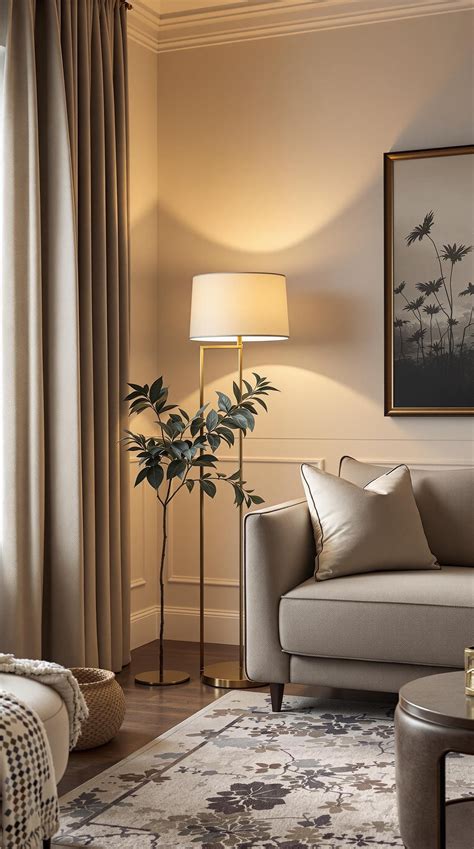
Relying solely on a single overhead ceiling fixture is one of the most common lighting mistakes in residential design. A well-designed living room utilizes three essential layers of illumination: ambient, task, and accent lighting. Ambient lighting provides overall illumination, while task lighting—such as a reading lamp beside an armchair—supports specific activities. Accent lighting highlights architectural features, bookcases, or favorite pieces of wall art.
Incorporate dimmers on your primary light sources to seamlessly transition the room from a bright, energetic space during daytime family activities to a warm, inviting sanctuary at night. Mixing table lamps, floor lamps, and even wall sconces at varying heights prevents dark corners and adds visual depth to the entire space.
Furniture Selection and Arrangement
Choosing furniture requires a careful assessment of scale, proportion, and durability. In households with children or pets, performance fabrics like linen-blends treated for stain resistance or durable leather provide peace of mind without sacrificing style. When selecting a sofa, measure both the room and your entryways carefully to ensure smooth delivery and a comfortable fit that does not block sightlines or doorways.
Avoid matching every single wooden element in the room; curated interiors feel much more authentic when you mix wood tones, metals, and upholstered finishes. Pair a sleek modern sofa with a rustic reclaimed wood coffee table, or introduce matte black metal accents to balance warmer wood floors typical of mid-century or traditional American homes.
Textiles, Rugs, and Window Treatments
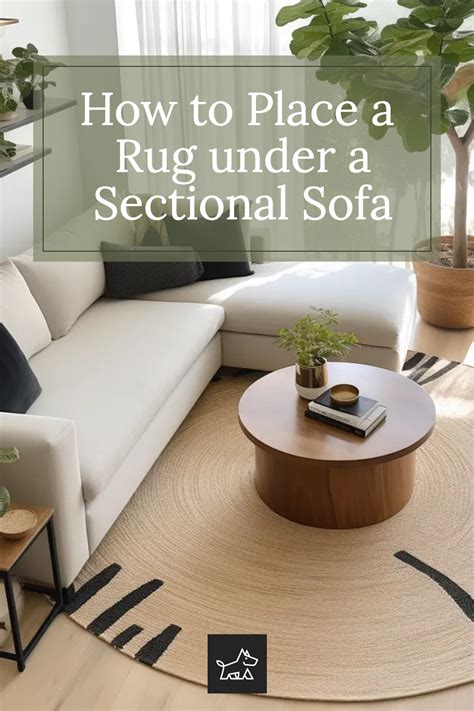
Textiles are the secret weapon for adding warmth, texture, and acoustic comfort to a living room. A common design error is choosing an area rug that is too small for the furniture layout. Ideally, the front legs of all your main seating pieces should rest comfortably on the rug to anchor the conversational zone. If the rug floats entirely in the middle of the room without touching the furniture, it tends to make the space feel fragmented.
Window treatments should be hung high and wide—mounting curtain rods several inches above the window frame and extending them outward creates the illusion of taller ceilings and larger windows. Layering sheer panels underneath heavier drapes provides flexible privacy control while filtering harsh afternoon sunlight characteristic of many sun-facing American living rooms.
Budget-Friendly and Rental-Safe Upgrades
Transforming your living room does not require a massive renovation budget or permanent structural changes, making these strategies ideal for renters and budget-conscious homeowners alike. Peel-and-stick wallpaper applied to a single accent wall can inject personality into a bland space without risking your security deposit. Swap out standard builder-grade light switch plates and cabinet hardware for stylish, modern alternatives that can easily be uninstalled and taken with you when you move.
Focus your spending on high-impact items that you interact with daily, such as a comfortable sofa or a high-quality rug, while saving on accessories like throw blankets, decorative trays, and cushion covers. Thrift stores, vintage markets, and online marketplaces are fantastic resources for sourcing unique, one-of-a-kind decor pieces that give your living room an authentic, collected-over-time feel.
Frequently Asked Questions
How can I make a small living room look bigger?
To make a small living room appear more spacious, choose multi-functional furniture with exposed legs, hang curtain rods high to draw the eye upward, and use large-scale mirrors to reflect natural light. Avoid cluttering the floor with too many small accessories, and opt for a cohesive, light-reflecting color palette.
What are the best layout rules for awkward living room shapes?
For awkward or elongated living room layouts, divide the space into distinct zones by floating furniture groups away from the walls. Use area rugs to anchor each zone separately, and ensure clear, unobstructed pathways connect the different functional areas of the room.
How do I choose the right rug size for my living room?
Your area rug should be large enough so that at least the front legs of all main seating furniture pieces rest on it. In smaller rooms, a 5×8 rug may work under a coffee table, but in standard living rooms, 8×10 or 9×12 rugs generally provide the best visual balance and proportion.
What lighting layers are essential for a cozy living room atmosphere?
A cozy atmosphere requires ambient lighting for general illumination, task lighting for reading or working, and accent lighting to highlight decor or architectural features. Combining table lamps, floor lamps, and overhead fixtures on dimmer switches gives you total control over the mood.
How can renters decorate without damaging walls?
Renters can use heavy-duty command strips, picture-hanging adhesives designed for temporary use, and tension rods for window treatments to avoid drilling holes. Leaning large art pieces against walls on sideboards or mantels is also a stylish, wall-safe way to display decor.


