Revitalizing your living space does not require a massive renovation budget or an entirely new set of furniture. Often, the most memorable transformations come from thoughtful adjustments to lighting, textiles, layout, and color palettes. Whether you are living in a suburban single-family home or a rented urban apartment across the United States, implementing creative interior strategies can instantly alter the atmosphere and make your environment feel brand new.
Understanding the distinction between permanent homeowner renovations and flexible renter-safe upgrades is essential for achieving a cohesive look without violating lease agreements or wasting funds on changes you cannot take with you when you move. The following strategies balance style with practical constraints, helping you curate a balanced, modern sanctuary.
Renter-Friendly Updates That Protect Your Deposit
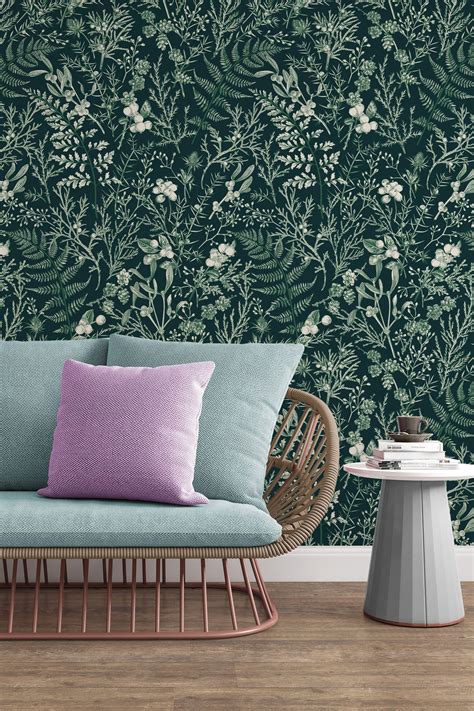
For millions of Americans living in apartments or rental houses, lease restrictions often rule out permanent changes like drilling heavy shelving into drywall or repainting walls in bold colors. Fortunately, the market for temporary home decor has expanded significantly, offering sophisticated solutions that leave zero trace behind when your lease expires.
Peel-and-stick wallpaper has evolved far beyond the shiny contact paper of the past, offering matte, textured designs that mimic natural grasscloth, linen, or intricate tile patterns. Applying this material to a single accent wall behind your sofa creates an instant focal point without risking your security deposit. When moving day arrives, simply apply heat with a hair dryer to loosen the adhesive and peel it away cleanly.
Transforming Atmosphere with Layered Lighting
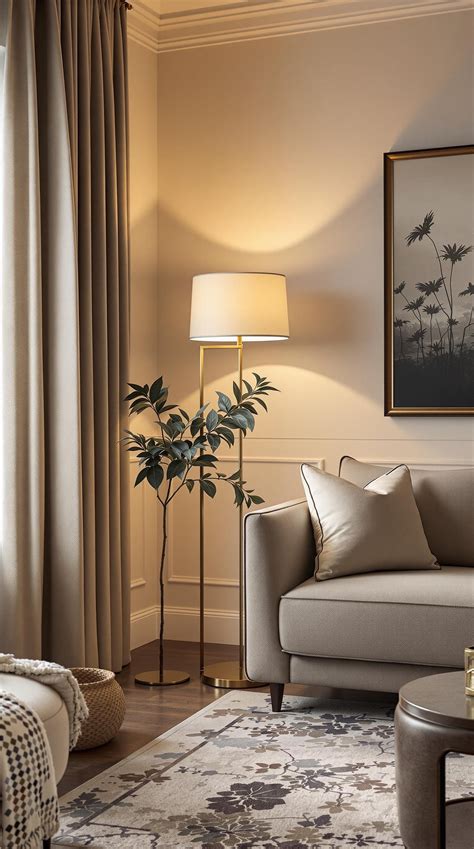
Overhead lighting in standard American living rooms often feels harsh, flat, and sterile. Relying solely on a single central ceiling fixture can make even a well-furnished space feel uninviting. Layering different types of light sources fundamentally changes the visual depth of a room and allows you to adjust the mood effortlessly throughout the day.
Incorporate ambient table lamps on sideboards, functional task lighting near reading chairs, and warm floor lamps in dark corners to create pools of illumination rather than flat brightness. Renters can easily upgrade builder-grade flush-mount fixtures by swapping them out for plug-in statement sconces or stylish pendant lights suspended from heavy-duty ceiling hooks, provided the original fixtures are safely stored and reinstalled before moving out.
Maximizing Visual Space Through Layout and Scale
Many US living rooms struggle with awkward traffic flows or layouts that make the room feel cramped. Rethinking how your furniture interacts with the architecture of the space can immediately open up the floor plan. Pulling sofas and armchairs away from the walls, even by just a few inches, creates a sense of breathing room and airiness that immediately tricks the eye into perceiving a larger square footage.
Scale and proportion play a vital role in this layout shift. Pairing oversized statement art pieces with low-profile furniture prevents visual clutter and draws the gaze upward toward the ceiling, emphasizing vertical height. Utilizing multi-functional pieces, such as storage ottomans or nesting coffee tables, helps keep everyday clutter concealed while preserving clean lines throughout the main living areas.
Frequently Asked Questions
How can I update my apartment living room without losing my security deposit?
You can safely update a rental space by using damage-free hanging strips, peel-and-stick wallpaper, plug-in lighting solutions, and freestanding furniture instead of permanent built-ins or wall anchors.
What are the quickest ways to make a small living room feel larger?
Pulling furniture slightly away from the walls, hanging curtain rods closer to the ceiling, incorporating large mirrors to reflect natural light, and reducing overall clutter will instantly expand the visual footprint of a compact room.
How do I choose the right lighting to change the mood of a space?
Layer your lighting by combining ambient table lamps, floor lamps, and task lighting with warm-toned bulbs (around 2700K) to create a cozy, welcoming atmosphere rather than relying on harsh overhead fixtures.


