Revitalizing a living room does not always require a complete gut renovation or a massive financial investment. Whether you hold a long-term property deed or live in a rental apartment with strict lease clauses, refreshing your main gathering space relies on smart design choices. The core challenge lies in balancing personal aesthetic aspirations with the physical and structural constraints of typical American floor plans, which often range from compact urban apartments to spacious suburban open-concept layouts.
Approaching a room refresh with a clear plan ensures that every adjustment serves a distinct purpose. By focusing on flexible textile layering, thoughtful furniture placement, and strategic lighting, you can dramatically alter the atmosphere of your room without committing to permanent structural changes. Below, we explore a curated selection of practical ideas tailored to both homeowners and renters who want to elevate their living spaces.
Renter-Friendly Upgrades That Require Zero Nails
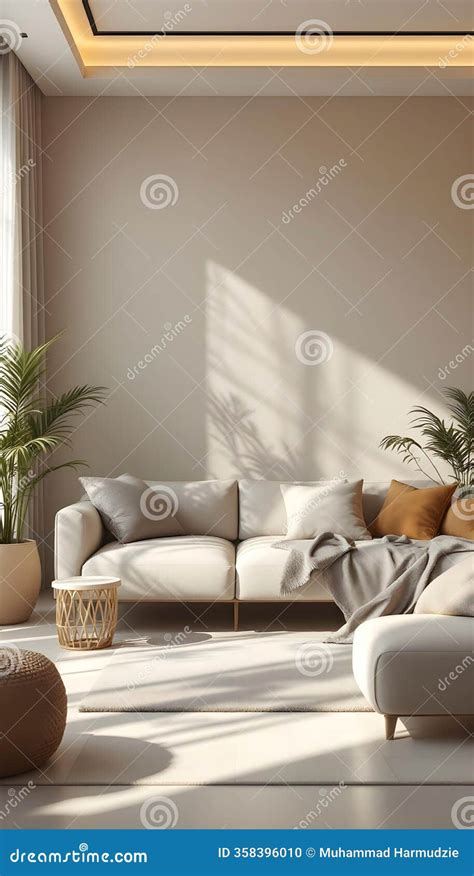
Lease agreements often prevent occupants from painting walls, drilling holes, or replacing fixed lighting fixtures. However, renting should never mean living in a dull, uninspired space. Temporary styling allows you to inject personality and warmth into a room while ensuring you get your security deposit back in full when moving day arrives.
One of the most effective non-permanent updates is introducing peel-and-stick wallpaper or wall murals on a single accent wall. High-quality temporary vinyl products have advanced significantly, offering rich textures and matte finishes that mimic traditional paper without leaving sticky residue. Similarly, hanging art using heavy-duty adhesive strips or leaning large-scale canvases against the wall creates a dramatic focal point without compromising the drywall.
Anchor Your Layout with Strategic Furniture Placement
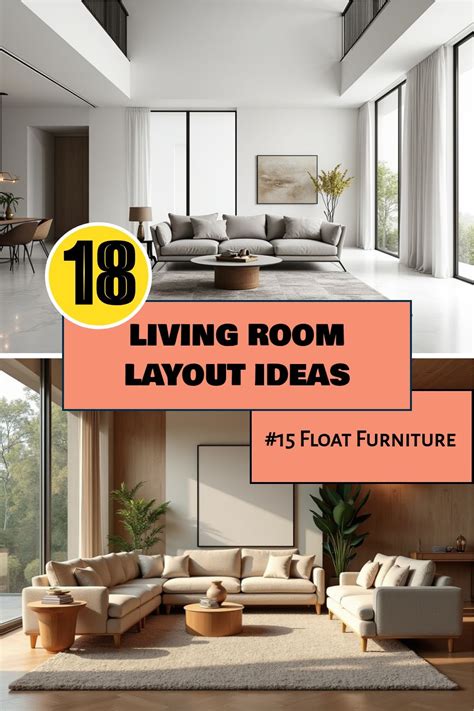
The layout of a living room dictates how comfortable the space feels during daily use. Many standard U.S. living rooms feature an open-concept design that merges the entryway, kitchen, and lounging area into one expansive zone. Defining distinct zones within this open space is essential for creating a cozy, intentional environment rather than a sprawling furniture showroom.
Instead of pushing every sofa and armchair directly against the perimeter walls, try floating your main seating group toward the center of the room. Anchor the arrangement with a generously sized area rug that extends at least a few inches underneath the front legs of your seating furniture. This technique instantly establishes an intimate conversation area and makes the entire room feel more balanced, grounded, and structurally sound.
Layering Textiles and Lighting for Maximum Ambiance
Overhead lighting in standard American apartments and homes can sometimes feel harsh or sterile. Transforming the mood of a living room often comes down to introducing layered illumination at varying heights. Combine floor lamps, table lamps with warm-toned bulbs, and battery-operated wall sconces to cast a soft, welcoming glow across the room.
Complement your lighting strategy by mixing tactile elements like linen throw pillows, chunky knit blankets, and woven jute or wool rugs. Varying textures add visual depth and organic warmth to neutral color schemes, making the space feel curated rather than uniform. When you combine warm lighting with tactile fabrics, even a standard builder-grade living room takes on a sophisticated, designer-quality atmosphere.
Frequently Asked Questions
How can I refresh my living room without making permanent changes?
You can refresh a rental or temporary living room by utilizing peel-and-stick accent wallpaper, hanging artwork with heavy-duty adhesive strips, layering area rugs over carpet or basic flooring, and incorporating freestanding accent lighting rather than hardwired fixtures.
What are quick ways to update a living room on a budget?
Swapping out cushion covers, adding seasonal throw blankets, rearranging existing furniture away from the walls, and introducing houseplants are some of the most cost-effective ways to give a living room an immediate visual lift.
How do I choose a focal point for my living room layout?
Identify existing architectural features such as a fireplace, large windows with a view, or a built-in bookshelf. If your room lacks a natural focal point, create one by placing a large television, a statement piece of art, or an accent cabinet on a prominent wall and arranging your seating to face it.
What are the best decor strategies suitable for both rentals and owned homes?
Focus on modular furniture, versatile textiles, freestanding shelving units, and layered lighting. These elements travel easily with you if you move, yet offer enough permanence and style to satisfy long-term homeowners.


