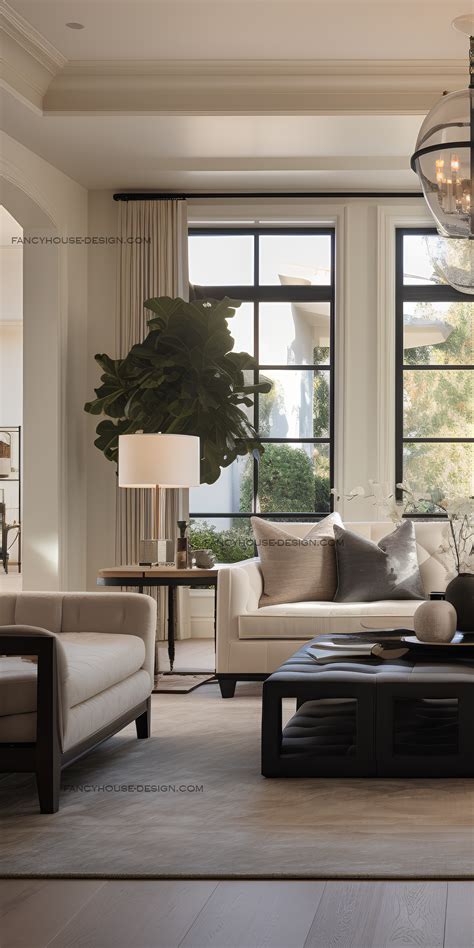
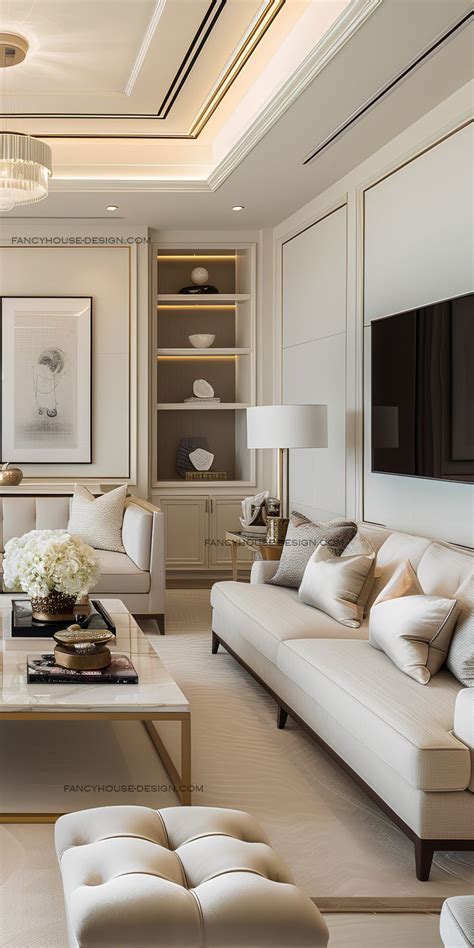
Creating a living room that feels genuinely inviting requires moving beyond rigid stylistic rules and focusing instead on how the space makes you feel. When a room balances soft textures, gentle illumination, and grounding colors, it transforms from a purely decorative showcase into a comfortable sanctuary for everyday life. Whether you are settling in for a quiet evening alone or hosting a gathering of friends, cultivating a warm environment is all about thoughtful layering and intentional design choices.
Achieving this cozy aesthetic does not require an extensive home renovation or a luxury budget. Many of the most impactful adjustments involve simple styling shifts, such as introducing warmer light bulbs, incorporating tactile fabrics, or rearranging furniture to foster connection. Below is a curated collection of design strategies tailored to help both homeowners and renters craft a space that feels deeply welcoming.
Foundation and Color: Setting a Warm Palette
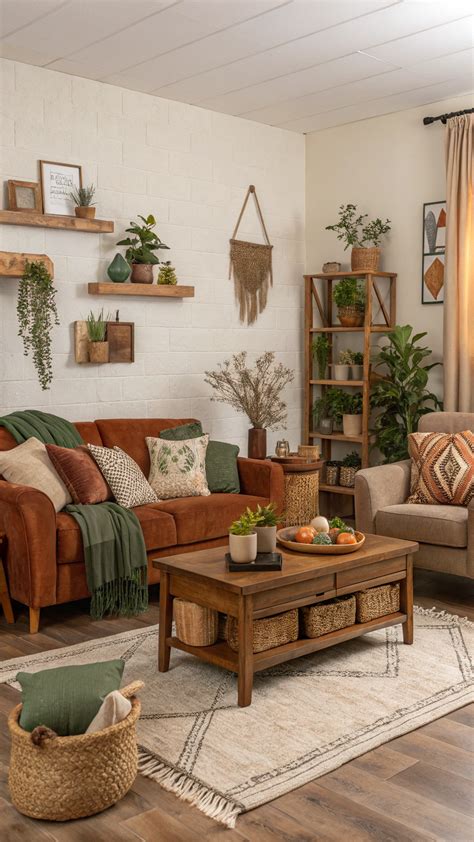
The psychological impact of color heavily influences the atmosphere of a room. Cooler tones like stark whites and crisp grays can sometimes feel clinical or sterile, whereas earth-inspired hues naturally draw the eye and encourage relaxation. Shifting your color narrative toward warmth is the first major step in redefining your living space.
Consider embracing rich terracotta, muted olive greens, deep ochre, or warm taupe on your walls. If you are renting and cannot paint, you can achieve the same grounding effect through large-scale art pieces, colored curtains, or richly toned accent furniture. These warm shades absorb light rather than reflecting it harshly, instantly making large, cavernous rooms feel more intimate and grounded.
Illuminating with Intention: Layered Lighting
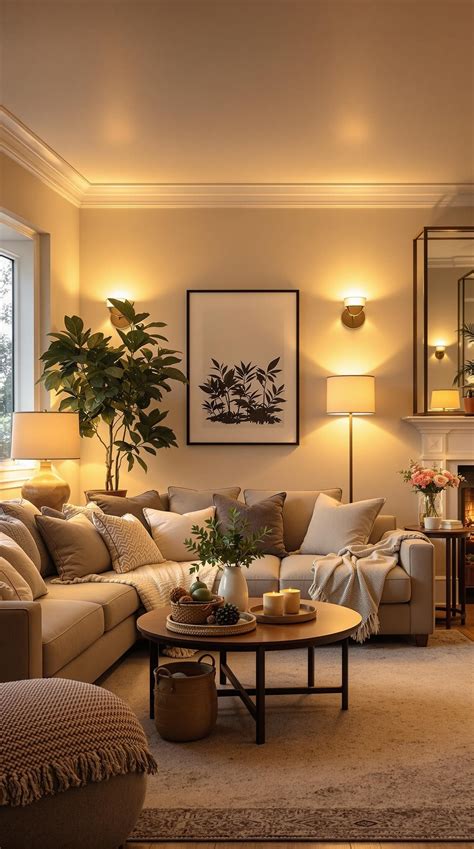
Overhead ceiling fixtures often cast harsh shadows and flat illumination, which works against a cozy ambiance. Instead, successful lighting design in a comfortable living room relies on a concept called lighting layering. By combining multiple light sources at different heights, you create depth, warmth, and visual interest.
Embrace Warm Kelvin Temperatures
When selecting light bulbs for your living room lamps and fixtures, pay close attention to the Kelvin rating on the packaging. To cultivate a truly inviting glow, look for bulbs in the 2200K to 2700K range. This produces a soft, amber-toned light reminiscent of traditional incandescent bulbs or candlelight, which relaxes the human eye and makes skin tones look natural and flattering.
Mix Task and Ambient Fixtures
Combine floor lamps placed behind reading chairs with table lamps on sideboards and subtle accent lighting on bookshelves. Dimmers are also an invaluable addition to any living room lighting plan. Being able to lower the illumination level instantly shifts the room’s energy from daytime productivity to evening tranquility.
Tactile Comfort Through Textures and Textiles
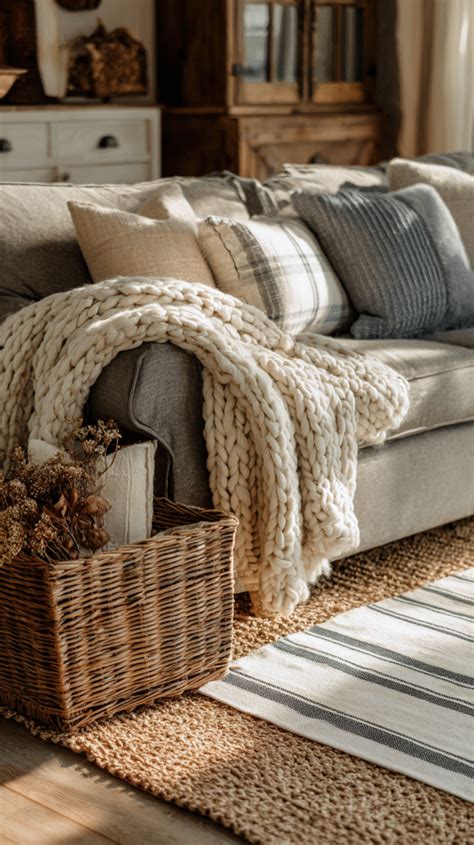
A room can look visually warm, but if it lacks tactile variety, it may still feel somewhat cold. Introducing a rich mix of fabrics stimulates our physical sense of touch, which plays a massive role in our perception of comfort and safety.
Layering is key when working with textiles. Place a thick, high-pile wool or jute rug over hardwood flooring to anchor the seating area and warm up walking surfaces. Drape a chunky knit wool blanket over the back of the sofa, and mix velvet, linen, and boucle throw pillows to create an inviting invitation to sit down and unwind.
Bringing the Outdoors In with Natural Elements
Organic materials possess an inherent warmth that synthetic materials simply cannot replicate. Introducing natural wood grains, stone, leather, and live plants helps bridge the gap between indoor comfort and the natural world, fostering a calming environment.
Incorporate raw-edge wooden coffee tables, ceramic planters, or woven rattan baskets to hold extra throw blankets. Houseplants, from trailing pothos to stately fiddle-leaf figs, add living energy and fresh color to corners that might otherwise feel neglected. The imperfections found in natural wood knots and stone veining add character and authenticity to the room.
Optimizing Furniture Layout for Connection
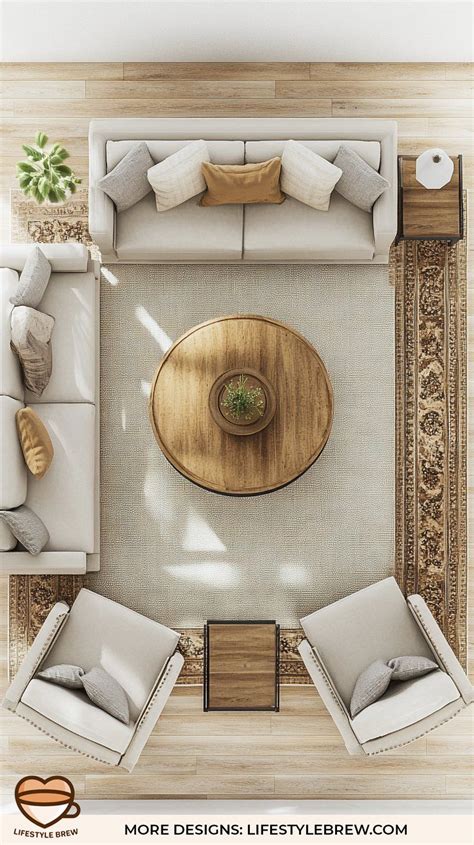
How you arrange your furniture dictates how people move and interact within the space. To create a truly welcoming living room, steer away from pushing all the seating arrangements flat against the perimeter walls, a common layout mistake that can make a room feel like a waiting area.
Pull your sofa and armchairs inward, floating them closer together around a central focal point like a fireplace or a coffee table. This intimate grouping naturally encourages conversation and makes the seating area feel cozy and contained. If you have a larger open-concept floor plan, use large area rugs to visually section off the living space from adjacent dining or kitchen zones.
Frequently Asked Questions
How can I make a large living room feel cozy instead of cavernous?
To make a large living room feel cozy, focus on breaking the space down into smaller, intimate zones. Use oversized area rugs to anchor furniture groupings, pull seating away from the walls, and introduce warm, dimmable lighting at different heights. Tall bookcases, rich wall colors, and heavy drapery also help absorb sound and visually fill vertical space.
What are some renter-friendly ways to add warmth without painting walls?
Renters can dramatically increase warmth without making permanent changes by focusing on textiles and lighting. Layer plush area rugs, hang colorful fabric wall hangings or renter-friendly peel-and-wallpaper accents, swap out harsh light bulbs for warm 2400K LEDs, and add plenty of throw pillows and blankets in rich earth tones.
Which colors work best for creating a warm living room atmosphere?
Earthy and saturated colors naturally evoke warmth. Consider terracotta, burnt orange, warm mustards, olive greens, and deep caramels. If you prefer a neutral palette, opt for creamy ivories, warm taupes, and soft beige tones rather than stark, cool-toned grays or brilliant whites.