When people think about updating their living spaces for a more elevated, high-end look, they often focus on major structural changes or expensive furniture investments. However, one of the most effective interior design secrets lies in the intentional use of textiles. Introducing soft, tactile elements can instantly soften rigid architectural lines and warm up neutral color palettes. Among these elements, white faux fur stands out as a versatile design tool that bridges the gap between casual comfort and refined elegance.
Sourcing these items through accessible platforms like Amazon makes it remarkably easy to experiment with different textures without committing to a massive budget. The challenge is not finding these products, but rather styling them with enough restraint and sophistication to avoid a look that feels juvenile or overly seasonal. By understanding how to balance plush finishes with sleek structural elements, you can transform a standard apartment or family home into a curated, magazine-worthy sanctuary.
Selecting the Right Faux Fur Pile for Your Aesthetic
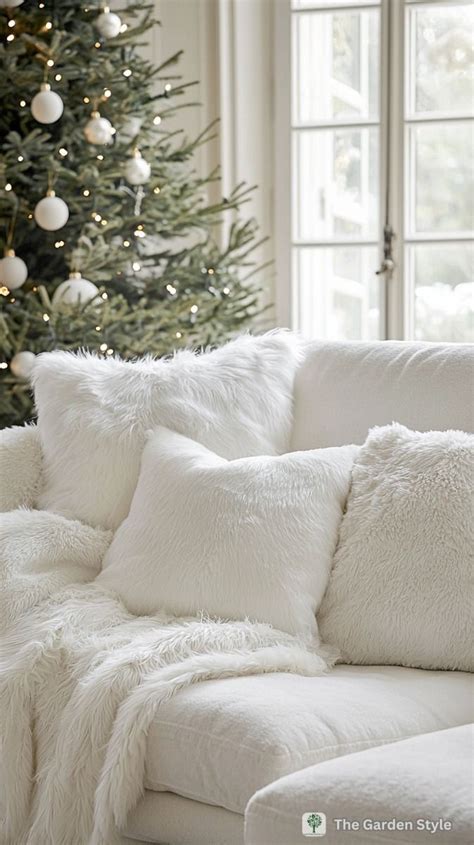
Not all faux fur is created equal, and the pile height you choose dictates the entire mood of your room. High-pile, ultra-shaggy materials bring a relaxed, bohemian, or Scandinavian-hygge energy to a space, making them ideal for casual family rooms and reading corners. Conversely, low-pile, sheared faux fur mimics the appearance of sheared mink or lambskin, offering a sleeker, more tailored profile that suits contemporary and transitional interiors.
When browsing online options, look closely at product descriptions and customer imagery to gauge density and fiber length. High-density weaves generally look more expensive because they do not reveal the backing fabric when brushed or sat upon. Opting for ivory, cream, or warm alabaster tones rather than stark, optical white also ensures the material blends naturally with other organic elements in your home.
Balancing Softness with Structural Materials
To keep your white fur accents from looking like a novelty item, you must anchor them against hard, contrasting surfaces. Pair a plush faux fur throw blanket with a dark leather armchair, a distressed reclaimed wood coffee table, or a brushed brass floor lamp. This deliberate juxtaposition of hard and soft materials creates visual depth and proves your design choices are intentional.
In a minimalist dining or living room, a single well-placed sheepskin-style rug draped over a sleek wooden bench introduces organic movement without creating visual clutter. The key is to act as an editor: feature one or two statement fur pieces per room rather than blanketing every surface in matching plush textures.
Strategic Placement: Living Room Accents and Bedroom Upgrades
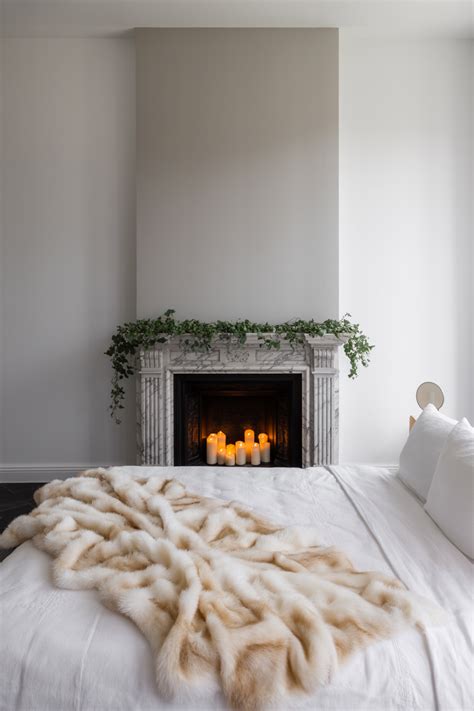
The living room is usually the most impactful zone for testing out new textures. A generously sized white faux fur throw draped casually across the corner of a sectional sofa immediately invites you to sit down and unwind. Pair this throw with a pair of matching or complementary square pillow covers to create a cohesive styling focal point that anchors the seating arrangement.
In the bedroom, white fur transitions effortlessly from a decorative accessory to a functional layer of comfort. Consider placing a narrow faux fur runner at the foot of a platform bed dressed in crisp linen or percale sheets. This adds a layer of subtle luxury that feels wonderful under bare feet on cool mornings while establishing a boutique-hotel aesthetic that elevates the entire sleeping space.
Managing Visual Weight in Darker Corners
Pure white and cream tones carry a distinct visual weight that can be leveraged to your advantage. If you have a dark corner in a study or living area—perhaps a shadowy reading nook featuring a dark-toned accent chair—a white fur throw or small area rug can act as a light reflector. The luminous pile catches ambient light from windows and lamps, visually opening up tight corners and making small rooms feel noticeably airier.
When working with darker hardwood floors, a small white faux fur accent rug creates a striking graphic contrast. It defines a micro-zone within a larger room, such as the exact spot where your feet land when stepping out of bed or the precise perimeter of an accent reading chair.
Practical Care and Maintenance for White Faux Fur
One of the primary reservations homeowners have about white home decor is the fear of staining and daily wear. Fortunately, modern synthetic textiles are engineered for real life, provided you follow proper cleaning protocols. Most faux fur items purchased online can be machine-washed on a gentle, cold-water cycle or hand-washed using a mild detergent, though you should always verify the manufacturer label first.
To keep the fibers looking plush rather than matted, never use heat when drying faux fur. Instead, tumble dry on a no-heat or air-fluff setting, or simply hang the item to dry naturally. Once completely dry, take a clean wire pet slicker brush and gently brush through the fibers in one direction. This restores the signature fluffy texture and separates any clumps, keeping your Amazon decor finds looking pristine for years.
Frequently Asked Questions
What types of white fur decor look sophisticated rather than cheap?
To maintain a sophisticated look, choose low-pile or dense, high-quality sheared faux fur items in warm alabaster, cream, or ivory rather than harsh optical white. High-density weaves prevent the fabric backing from showing and mimic the look of genuine luxury pelts.
How do I clean and maintain white faux fur items?
Most faux fur can be machine-washed on a cold, gentle cycle using mild detergent. Always air-dry or tumble-dry on a zero-heat setting. Once dry, gently groom the fibers with a wire slicker brush to restore their fluffy, cloud-like texture.
Where should I place fur accents in different rooms?
In the living room, drape a throw blanket over a leather or wood armchair and use matching pillow covers. In the bedroom, place a narrow runner at the foot of the bed or use a small accent rug near a dressing table or reading nook.
How can I mix white fur with other textures like wood, leather, and metal?
The secret is contrast. Pair soft, fluffy white fur against hard architectural surfaces such as distressed wood, sleek black metal frames, or rich brown leather to create a balanced, layered interior design scheme.