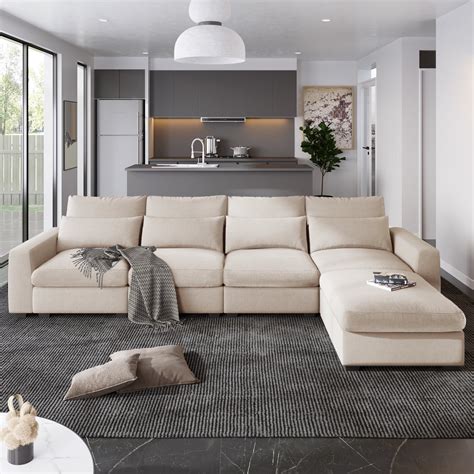
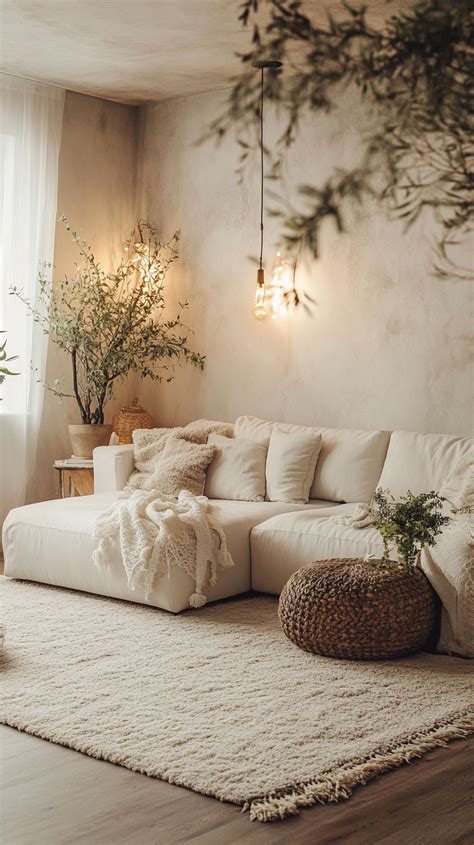
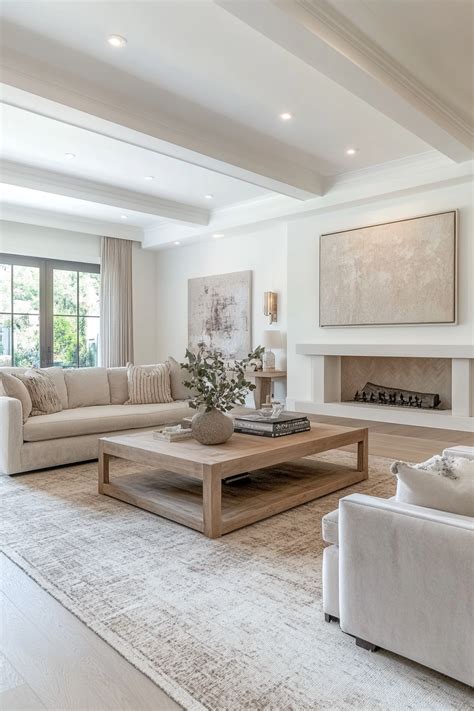
Upgrading your living room requires a careful balance between striking modern aesthetics and the practical realities of daily life in a U.S. home. Whether you are settling into a compact urban apartment in Chicago or arranging a spacious suburban family room in Texas, choosing the right modern living room furniture sets the tone for the entire house. Contemporary design emphasizes clean lines, functional versatility, and an uncluttered atmosphere that accommodates both relaxation and entertaining.
Rather than relying on fleeting design fads, a successful furniture upgrade focuses on timeless silhouettes, durable materials, and thoughtful space planning. By understanding how individual pieces interact within your specific floor plan, you can create a cohesive environment that feels both sophisticated and deeply welcoming.
Defining Modern Living Room Style in American Homes
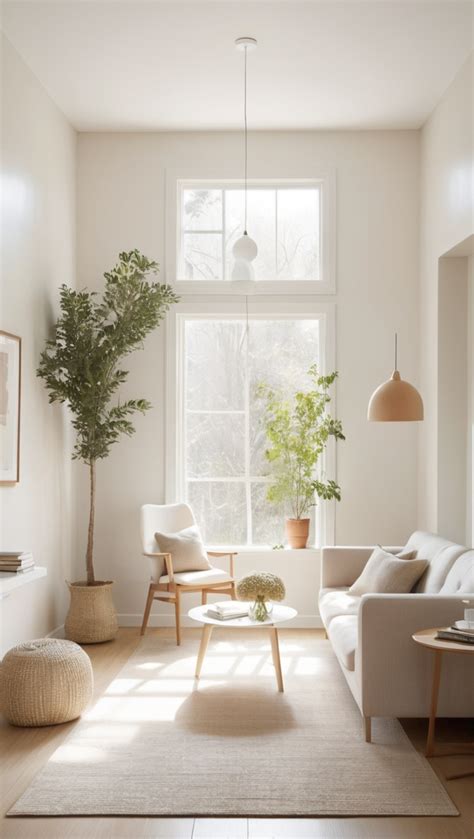
Modern living room design moves away from ornate carving and heavy upholstery in favor of streamlined profiles, geometric forms, and open sightlines. In contemporary U.S. interiors, this style often translates to low-profile seating, minimalist storage units, and an intentional reduction of visual clutter. The goal is to cultivate an airy, breathable environment where each furniture piece serves a clear aesthetic or functional purpose without overwhelming the room.
A common misconception is that modern decor must feel cold or stark. In practice, contemporary American homes often incorporate warmth through organic textures, such as brushed brass accents, rich walnut or white oak wood grains, and tactile woven fabrics. By grounding sleek modern silhouettes in a warm, neutral color palette, you achieve a sophisticated look that remains inviting for family gatherings and casual weekends alike.
Selecting Core Furniture Pieces for Your Layout
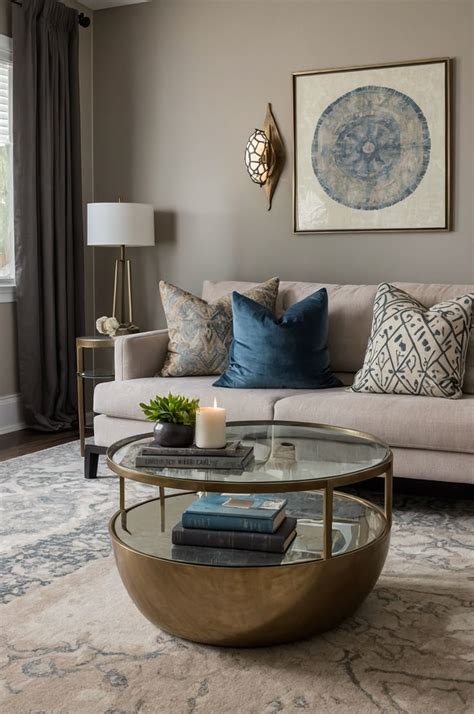
Building a functional modern living room starts with investing in the foundational elements: the sofa, accent seating, a central coffee table, and a media console. The sofa typically anchors the room, making it the most critical investment. In standard American living spaces, sectional sofas work exceptionally well for large family rooms, while clean-lined loveseats or apartment-scale sofas maintain open traffic flows in tighter urban footprints.
Complementing the primary seating with one or two accent chairs adds visual depth and flexibility. Look for chairs with exposed wooden frames or sculptural metal legs to enhance the modern aesthetic. Meanwhile, low-profile coffee tables in glass, marble, or solid wood provide a central landing pad, while streamlined media consoles conceal cords and electronics, maintaining the clean, organized look characteristic of modern interior design.
Balancing Space Planning in Compact Apartments and Large Houses
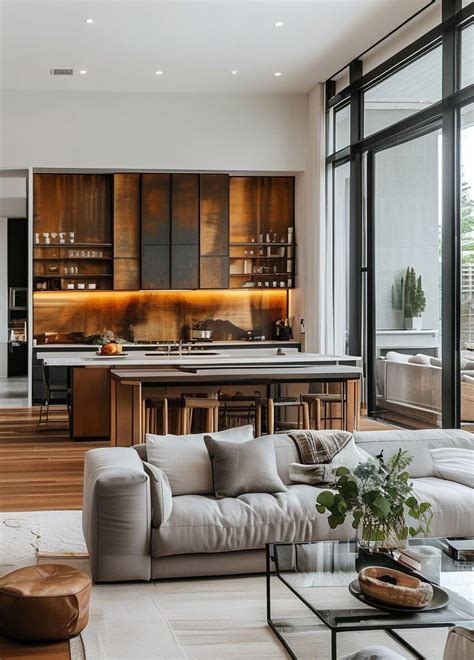
Spatial constraints dictate how furniture should be scaled and arranged. In smaller apartments, multi-functional furniture is invaluable. Pieces like storage ottomans, nesting coffee tables, and modular shelving units maximize square footage without sacrificing style. Maintaining clear pathways around furniture is essential to prevent a small room from feeling cramped or blocked off.
Conversely, large suburban homes present the opposite challenge: filling expansive square footage without making the space feel disjointed or cavernous. In larger rooms, modern furniture can be arranged into distinct conversational zones. Floating a sofa away from the walls and pairing it with a large-scale area rug helps define the seating area, creating an intimate, human-scale atmosphere within an expansive open-concept floor plan.
Materiality, Durability, and Maintenance Considerations
Choosing modern furniture requires looking beyond surface appeal to evaluate how materials withstand everyday wear and tear. Upholstery fabrics like performance linens, stain-resistant velvets, and tightly woven blends offer resilience against spills and heavy daily use, making them ideal for households with children or pets. Leather develops a rich patina over time, offering durability paired with a sleek, timeless aesthetic.
For wooden furniture and tables, consider the trade-offs between solid wood and engineered wood veneers. Solid hardwoods like oak, walnut, and maple offer exceptional longevity and can be refinished if scratched, whereas high-quality veneers often provide stability against humidity shifts in different U.S. climate zones. Assessing your household’s lifestyle ensures your modern furniture investment continues to look exceptional for years to come.
Frequently Asked Questions
What defines modern living room furniture?
Modern living room furniture is characterized by clean lines, minimalist silhouettes, functional versatility, and a focus on open space. It typically avoids excessive ornamentation in favor of geometric forms, exposed legs, and a blend of organic and industrial materials.
How do I choose the right sofa for my living room?
Consider your room dimensions, traffic flow, and lifestyle needs. Sectionals maximize seating in large family rooms, while apartment-scale sofas with elevated legs create an airy feel in compact spaces. Always measure doorways and stairwells before purchasing large pieces.
Can I mix modern furniture with traditional decor?
Yes, mixing styles creates a curated, collected interior. You can anchor traditional architectural elements with sleek modern seating, or pair a contemporary sofa with a vintage wooden coffee table to add warmth and personal character to the space.
Which wood finishes are currently popular in modern design?
Light white oak, natural walnut, and ash are widely favored in modern interiors because they add warmth and organic texture without visually weighing down the room. Matte black metal finishes and brushed brass are also popular for hardware and accents.