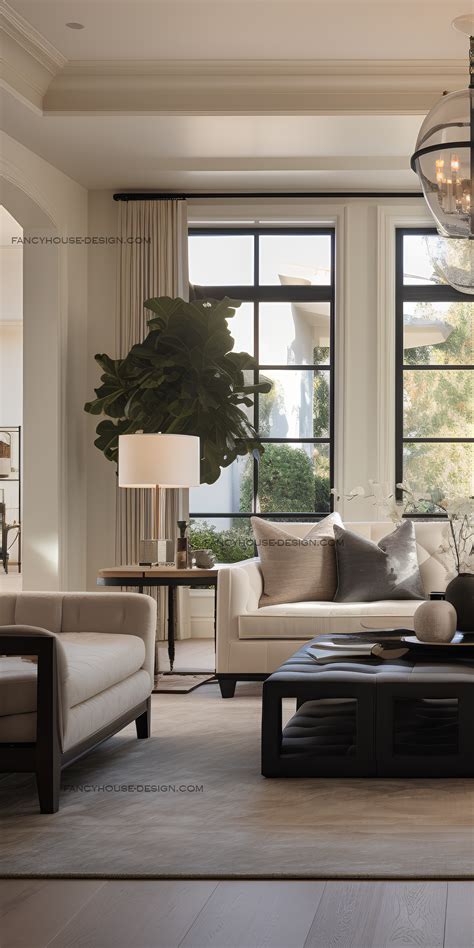
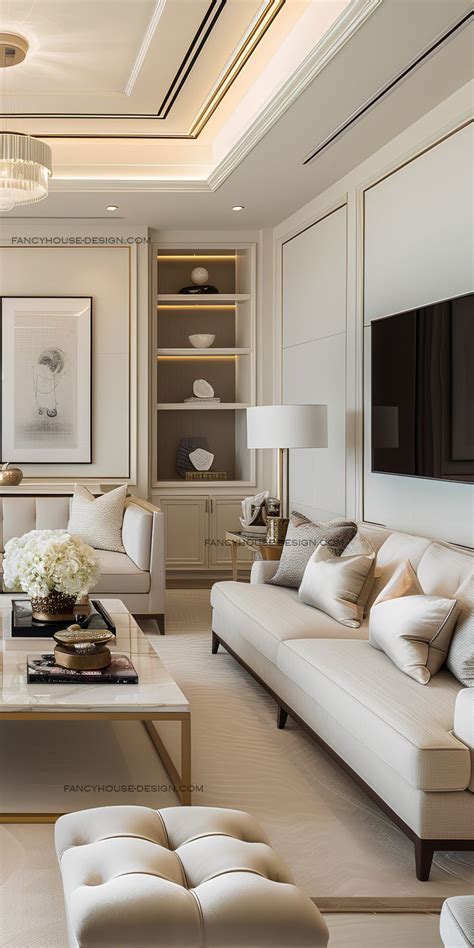
Choosing furniture often feels like a high-stakes balancing act, especially when your living situation might change in a few years. While long-term homeowners usually look for heavy, heirloom-quality pieces that anchor a room permanently, renters prioritize lightweight items that can easily navigate narrow stairwells and tight lease renewals. Yet, a large segment of the modern U.S. housing market demands a clever middle ground. Whether you are settling into a suburban craftsman house or rearranging a sunlit coastal apartment, investing in adaptable furniture bridges the gap between mobility and permanence.
The secret lies in understanding which design characteristics transcend housing types. Multi-functional silhouettes, modular configurations, and classic aesthetic profiles serve both audiences exceptionally well. By evaluating each potential purchase through the dual lens of spatial flexibility and material durability, you can build a cohesive interior environment that easily adapts to shifting floor plans, changing zip codes, and evolving personal tastes without requiring a complete design overhaul.
Modular and Multi-Functional Furniture for Flexible Spaces
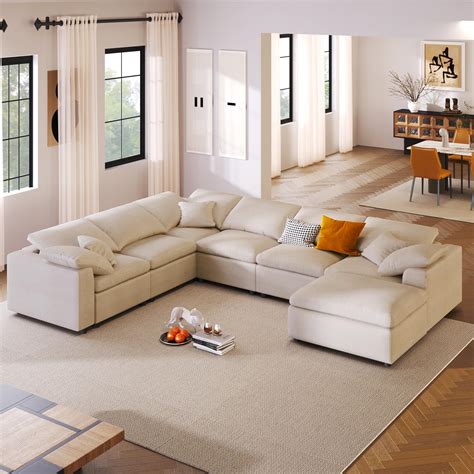
Multi-functional furniture stands out as the ultimate equalizer for households of every type. In compact urban apartments, a storage ottoman or an expandable dining table preserves precious square footage. Meanwhile, in larger suburban homes, these exact same pieces offer clever organizational buffers in bonus rooms, home offices, and guest suites. Modular shelving units and sectional sofas that allow you to swap chaise placements or detach individual arms provide immense value when moving from a narrow historic brownstone to an open-concept ranch home.
When shopping for modular items, pay close attention to the joinery and hardware quality. Renters need mechanisms that withstand repeated assembly and disassembly without stripping screws or loosening frames, while homeowners look for structural integrity that handles daily family wear over decades. Opting for neutral upholstery fabrics and timeless wood finishes ensures that a modular sofa or expandable coffee table can travel across different regional aesthetics—from rustic Pacific Northwest cabins to sleek southern urban lofts—without ever looking out of place.
Balancing Long-Term Investment with Renter-Friendly Mobility
The core tension between renting and owning often boils down to weight and permanence. Homeowners frequently seek solid oak dining tables and monumental media consoles that require a team of movers to position. Renters, however, quickly learn that heavy, oversized furniture transforms moving day into an exhausting ordeal. The practical solution is to focus on items that look substantial and architectural while remaining structurally nimble. Pieces featuring slim iron frames, removable cushion covers, and knock-down construction offer the visual weight of heavy furniture with the physical agility required for frequent relocations.
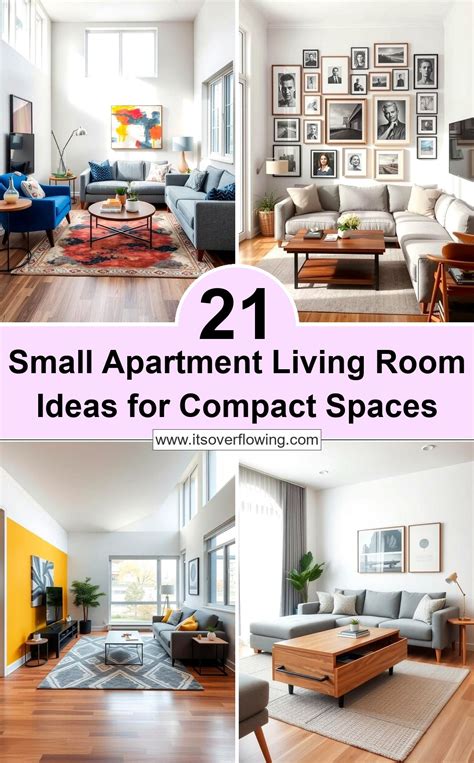
Another critical consideration involves scale. A massive sectional sofa might look fantastic in a spacious suburban living room, but it can completely overwhelm a compact city apartment. Conversely, undersized accent chairs can get lost in a cavernous open-plan great room. Choosing mid-scale furniture pieces allows you to scale up or down gracefully. Sectional components that can be configured as a simple three-seater sofa plus a standalone armchair offer incredible versatility, letting you reshape your seating arrangement entirely when moving from a rental property into your first permanent home.
Navigating U.S. Regional Aesthetics and Climate Realities
Housing styles and local climates across the United States vary dramatically, influencing how furniture performs over time. Homes in humid southern regions benefit from breathable performance fabrics and solid hardwoods that resist moisture warping, whereas dry western climates require specialized wood conditioning to prevent cracking. Designing with versatile furniture means selecting materials that tolerate diverse indoor environments, ensuring your pieces remain pristine whether they are subjected to coastal salt air, desert dryness, or heavy winter heating systems.
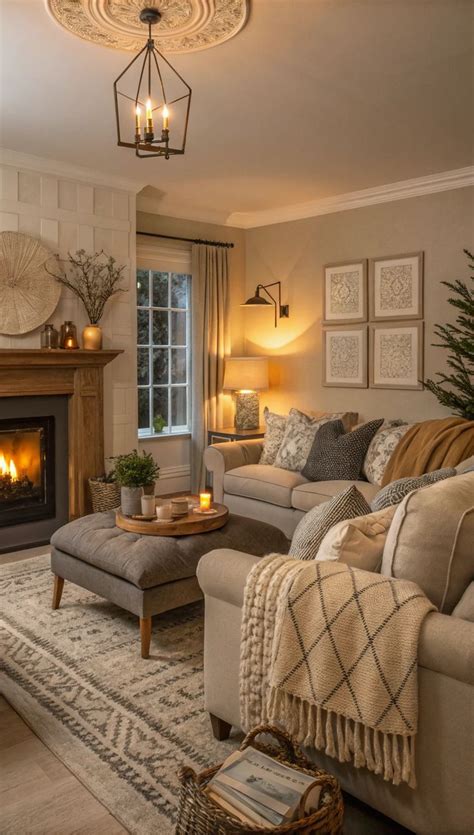
Regional styling trends also dictate how furniture interacts with natural light and architectural features. Bright, airy coastal spaces pair wonderfully with light oak finishes and minimalist silhouettes, while moody northeastern historic interiors often call for richer walnut tones and textured upholstery. By keeping large furniture foundational and neutral, you can easily shift the regional mood of a room using seasonal accessories like throw pillows, area rugs, and wall art, making your core furniture collection a versatile backdrop for any environment.
Smart Budgeting: Quality, Cost, and Replacement Cycles
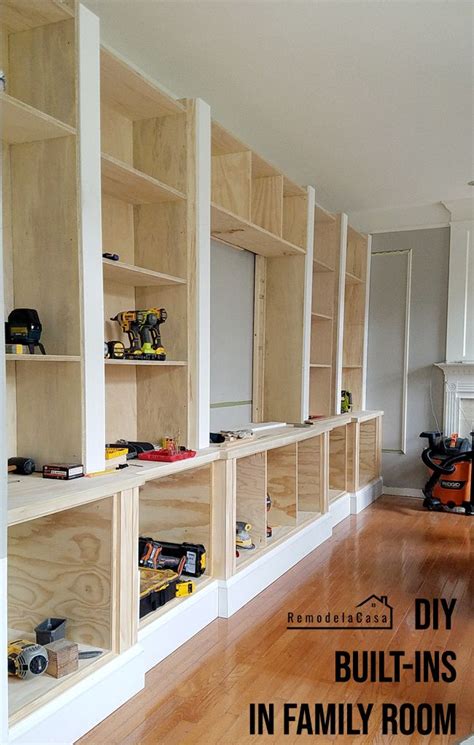
Purchasing furniture requires a strategic financial approach, particularly when your future housing stability is uncertain. Spending heavily on bespoke built-ins makes sense for lifelong homeowners, but it can become an expensive logistical nightmare if a renter receives a relocation notice next year. Instead, allocate your budget toward mobile statement pieces—such as a well-crafted armchair, a versatile media credenza, or a sturdy dining set—that can travel effortlessly through multiple leases and home purchases.
Evaluating the cost-per-use metric helps clarify where to save and where to splurge. Items subject to heavy physical impact, such as mattresses, dining chairs, and everyday sofas, warrant a higher investment in ergonomic support and resilient materials. Smaller accent pieces, decorative shelving, and bedside tables can often be sourced more affordably, allowing you to refresh your space periodically without incurring significant financial strain when transitioning between homes.
Frequently Asked Questions
What furniture pieces work best for both frequent movers and long-term homeowners?
Modular sectionals, expandable dining tables, and solid wood media consoles with clean lines offer the ideal balance. They are sturdy enough for long-term ownership yet flexible and adaptable enough to fit into various floor plans during a move.
How can renters furnish a space without making permanent changes?
Renters can rely on freestanding storage units, tension-mounted shelving systems, plug-in wall sconces, and modular furniture that requires minimal assembly. These pieces deliver custom-built aesthetics without violating lease agreements or damaging walls.
How do I choose furniture that can scale up or down depending on my living situation?
Focus on modular systems and mid-scale items. For example, purchasing a sectional sofa with interchangeable modular units allows you to remove sections for smaller apartments or expand the arrangement when moving into a larger home.
Are performance fabrics worth the investment for both homeowners and renters?
Yes. Performance fabrics resist stains, fading, and wear, making them exceptionally durable for families with children and pets, while also surviving multiple moves and varying apartment lighting conditions without losing their appeal.