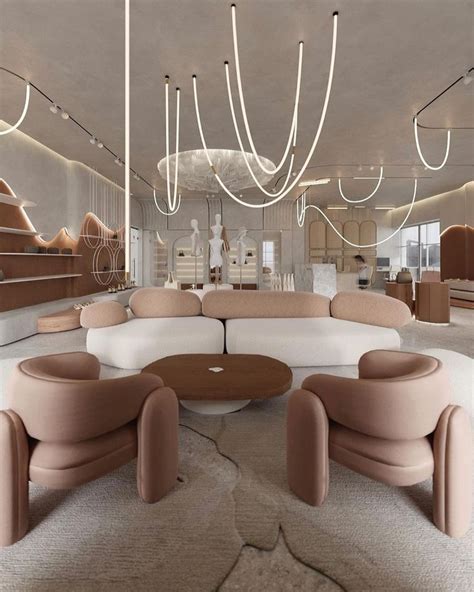
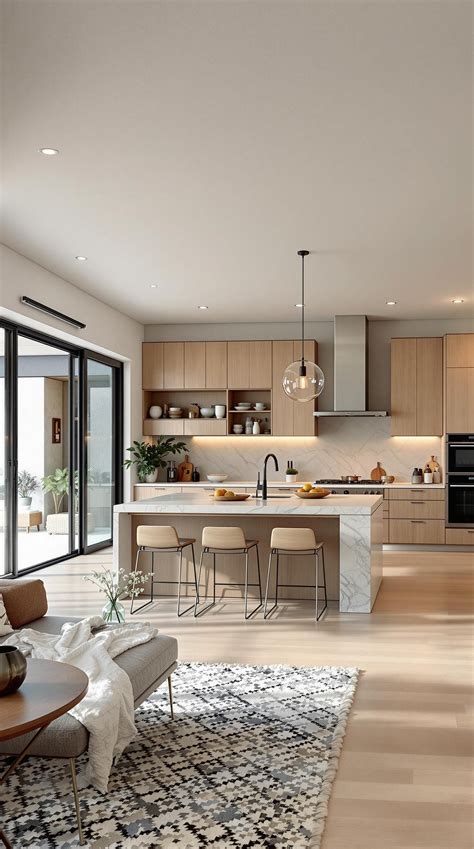
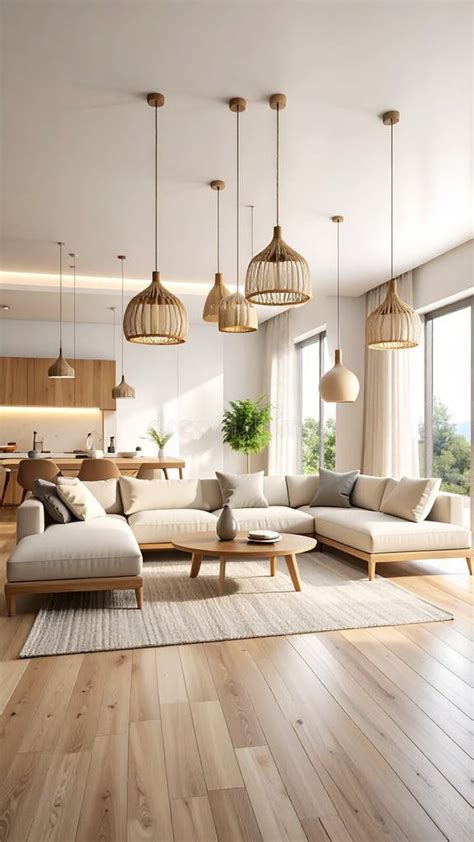
Finding the balance between aesthetic interior design and functional storage often comes down to vertical organization. When floor space is limited, walls offer an expansive canvas to display cherished books, plants, and decorative objects. Crafting your own storage allows you to customize dimensions precisely to your room’s architecture, avoiding the limitations of mass-produced flat-pack furniture. Whether you reside in a spacious suburban house or a compact urban apartment, implementing handmade storage systems transforms empty surfaces into design focal points. This comprehensive guide explores twenty-five distinct shelving concepts designed to suit varying skill levels, architectural layouts, and stylistic preferences across American homes.
Renter-Friendly and Damage-Free Wall Storage Solutions
For apartment dwellers and homeowners hesitant to drill permanent holes into drywall, renter-friendly shelving offers an ingenious compromise. These creative concepts utilize heavy-duty adhesive strips, tension systems, or existing architectural ledges to provide stability without compromising your security deposit. Careful planning ensures that temporary setups still offer dependable everyday utility.
Adhesive-backed picture ledges and modular pegboards are fantastic entry points for light storage. When planning these installations, always verify the weight capacity specified by the manufacturer and avoid placing heavy ceramic items or glassware on temporary mounts. Leaning ladder shelves represent another brilliant alternative; they require zero wall attachment while providing multiple tiers of vertical organization for living rooms and home offices.
1. Adhesive Picture Ledges
Lightweight wooden or acrylic ledges mounted with heavy-duty damage-free adhesive strips allow you to rotate family photographs and lightweight art prints without touching a drill. They are perfect for rental kitchens and bedrooms where wall modifications are restricted.
2. Tension-Rod Bookshelves
Floor-to-ceiling tension poles wedge securely between the ground and ceiling joists, holding adjustable wire or wooden baskets. This setup creates substantial vertical storage in rental apartments without requiring a single wall anchor.
3. Leaning Blanket Ladders
Constructed from lightweight pine or repurposed furring strips, a leaning ladder provides multiple rungs to drape quilts, throw blankets, and lightweight linens, adding cozy texture while keeping textiles off the floor.
4. Over-the-Door Wire Baskets
Utilizing the unused vertical real estate behind pantry, bedroom, or bathroom doors, hanging wire basket organizers keep smaller household goods neatly categorized and instantly accessible.
Minimalist Floating Shelves for Modern Interiors
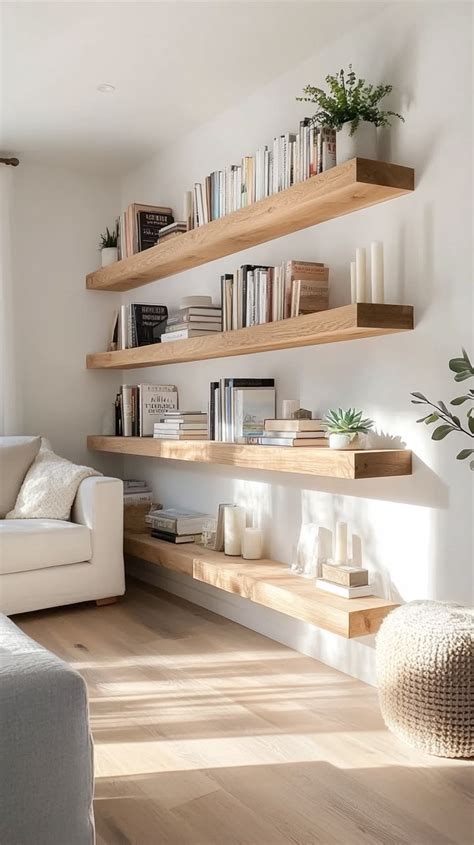
Clean lines and concealed hardware define the enduring appeal of floating shelves. By eliminating visible brackets, these minimalist units create a seamless illusion that your books and decor are effortlessly suspended against the wall surface. Achieving this polished look requires precise carpentry and correct anchoring to withstand daily loads.
Constructing a true floating shelf typically involves building a hollow box frame that slides securely over a sturdy wooden cleat anchored directly into the wall studs. Standard U.S. residential construction relies on framing studs spaced sixteen inches apart; locating these studs with an electronic finder is critical for supporting substantial weight. Once your mounting cleat is level and firmly screwed into place, slide the outer shelf box over the support and secure it with hidden finish nails.
5. Hollow-Box Oak Floating Shelves
Built with mitered hardwood edges surrounding a supportive internal cleat, these shelves offer a chunky, high-end architectural appearance suitable for modern living rooms and dining areas.
6. Thick-Plank Live-Edge Ledges
Utilizing solid hardwood slabs with natural, untrimmed bark edges, these heavy floating boards bring organic warmth and unique grain variation to contemporary minimalist spaces.
7. Minimalist White-Oak Kitchen Ledges
Slender floating shelves sealed with a matte, water-resistant polyurethane provide a functional display surface for everyday dishware and mugs right above kitchen counter spaces.
8. Corner Floating Boxes
Designed to wrap seamlessly around ninety-degree interior corners, these floating units eliminate awkward dead spaces while offering sturdy display areas for small trailing plants.
9. Hidden-Bracket Book Display Ledges
Equipped with heavy steel backplates concealed entirely within routed channels in the wood, these robust shelves securely support heavy hardcover volumes without visible supports.
Industrial Pipe and Reclaimed Wood Shelving
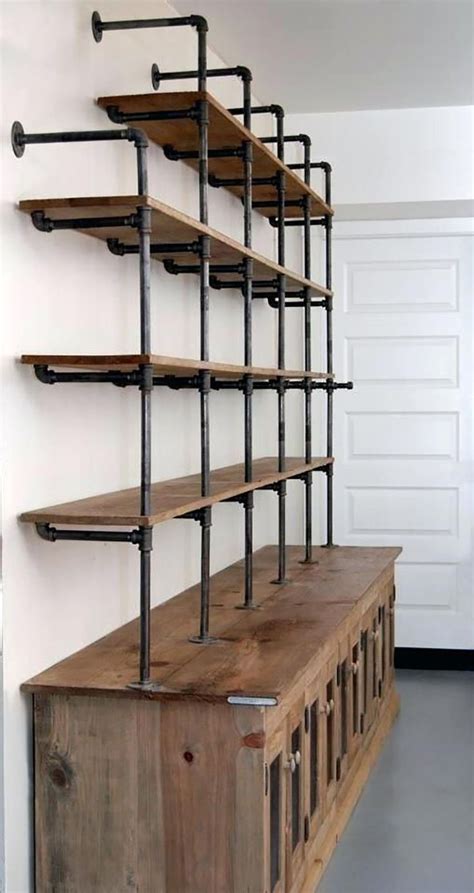
Combining rugged iron plumbing components with weathered timber creates an urban, industrial aesthetic that anchors modern living rooms, kitchens, and home studies. This style celebrates raw textures and structural integrity, making it a favorite among DIY enthusiasts seeking a straightforward weekend project. The contrast between dark metallic fittings and warm wood grain delivers timeless visual impact.
Sourcing materials from local hardware stores and salvage yards allows you to customize the exact length and pipe height of your unit. Standard black iron pipes and flanges must be thoroughly cleaned with a degreaser before assembly to remove manufacturing oils. Pair these metallic supports with thick planks of reclaimed oak, pine, or walnut, finishing the wood with a protective matte polyurethane to highlight natural grain patterns while preventing moisture stains.
10. Two-Tier Pipe Bookshelves
Assembled using threaded black iron floor flanges, vertical nipples, and wooden planks, this classic wall-mounted unit delivers rugged utility and industrial flair for home offices.
11. Ceiling-Suspended Pipe Racks
Anchored securely into overhead ceiling joists, these suspended pipe shelving units create an open, airy display ideal for kitchen cookware or hanging herb planters.
12. Corner Industrial Bracket Shelves
Custom-cut iron pipe brackets fitted into room corners maximize vertical storage capacity while anchoring open-concept industrial studio apartments.
13. Plumbing-Valve Accent Shelves
Incorporating decorative red-handled gate valves into the iron pipe framework adds authentic mechanical detail and vintage character to an otherwise utilitarian wall unit.
14. Rolling Caster Pipe Consoles
Building a low-profile shelving unit on heavy-duty iron caster wheels allows you to easily reposition your storage console for cleaning or room reconfiguration.
Vertical Space Maximizers and Corner Units
Unused corners and narrow wall spaces between windows or doorways represent untapped potential in residential interior design. Corner shelving units transform neglected architectural dead zones into valuable display real estate while softening sharp room angles. Thoughtful vertical planning ensures that every square foot works efficiently for your storage needs.
Building a modular corner shelf involves cutting triangular or quarter-round boards that fit snugly into ninety-degree wall intersections. Alternatively, tension-pole shelving systems stretch securely from floor to ceiling without requiring any permanent fasteners, making them exceptionally versatile for tight spaces like small bathrooms or studio apartments. Styling these vertical zones with a mix of trailing greenery and stacked books draws the eye upward, making standard ceilings feel noticeably taller.
15. Modular Triangular Corner Shelves
A series of graduated triangular wooden boards mounted sequentially up a room corner creates an organic spiral display that draws the eye upward in compact bedrooms.
16. Floor-to-Ceiling Ladder Bookshelves
Tall wooden ladder frames anchored securely near the crown molding provide multiple deep tiers of storage without dominating valuable floor area in narrow hallways.
17. Window-Frame Glass Shelves
Suspending tempered glass shelves across a deep window opening maximizes sunlight penetration while creating an indoor greenhouse effect for potted succulents.
18. Recessed Niche Shelving
Framing out shallow wall cavities between exposed stud bays creates flush, built-in shelving that keeps hallways and narrow corridors completely unobstructed.
19. Narrow Alcove Floating Ledges
Custom-cut narrow wooden boards span awkward architectural alcoves, converting dead structural niches into organized display zones for collectibles.
Upcycled and Repurposed Material Masterpieces
Sustainability meets creative expression when everyday household items are upcycled into functional wall storage. Vintage wooden crates, old skateboards, discarded drawers, and weathered wooden ladders can all be transformed into charming, conversation-starting shelving units with minimal tooling. Embracing reclaimed elements adds distinct character and narrative to your interior decor.
Before mounting upcycled objects, inspect the structural integrity of the material and reinforce any loose joints with wood glue and pocket-hole screws. Sanding down rough edges and applying a fresh coat of low-VOC paint or clear sealant ensures the finished piece looks intentional and polished rather than merely salvaged. These quirky, budget-friendly additions inject authentic personality and eclectic charm into casual living spaces, children’s bedrooms, or creative studios.
20. Vintage Wooden Crate Cubbies
Securing wooden fruit crates together in a modular grid pattern provides versatile open-box cubbies for book storage and decorative trinkets in casual dens.
21. Repurposed Skateboard Ledges
By mounting deck boards directly onto heavy-duty metal wall brackets, DIYers can craft playful, durable wall shelves tailored for youth bedrooms or creative studios.
22. Upcycled Drawer Wall Boxes
Old wooden dresser drawers mounted with their interiors facing outward create instant shadow-box shelving with built-in back panels and charming vintage hardware.
23. Reclaimed Door Mantel Shelves
Salvaged solid-wood door headers trimmed down and sealed with a clear varnish offer deep, character-rich mantels for displaying framed artwork and heirlooms.
24. Industrial Cable-Spool Display Tables
Slicing heavy wooden electrical cable spools in half yields dramatic semi-circular wall shelves that anchor rustic or farmhouse living room aesthetics.
25. Leather-Strap Hanging Shelves
Suspending a stained wooden board from heavy-duty leather straps attached to a single wall anchor creates a sleek, Scandinavian-inspired swinging shelf unit.
Frequently Asked Questions
What are the best DIY shelving ideas for small spaces in U.S. homes?
For compact rooms, floating shelves, corner ledges, and vertical ladder shelves are ideal because they utilize vertical wall space without claiming valuable floor area. Tension-pole systems and modular pegboards also offer versatile organization without permanent spatial footprints.
How can renters install shelves without damaging drywall?
Renters can use leaning ladder shelves, freestanding modular bookcases, or heavy-duty adhesive mounting strips designed specifically for damage-free hanging. Always check weight limits carefully and consult your lease agreement before attempting any adhesive installations on painted drywall.
What materials are needed for basic industrial or floating shelves?
Basic floating shelves require dimensional lumber, a supportive wooden wall cleat, wood glue, and concealed fasteners. Industrial pipe shelves require black iron pipes, floor flanges, elbows, matching screws, wall anchors, and thick wooden boards such as pine or oak.
How do I ensure heavy DIY shelves are safely anchored to wall studs?
Always locate standard wooden wall studs using an electronic stud finder before drilling. Drive long structural screws directly through your brackets or mounting cleats into the center of the studs. If hitting a stud is impossible, use heavy-duty toggle bolts rated for the specific weight of your loaded shelf.