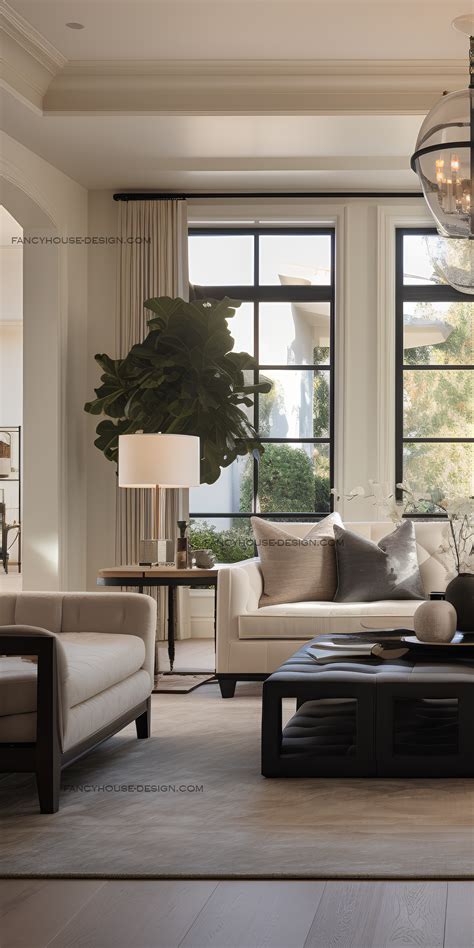
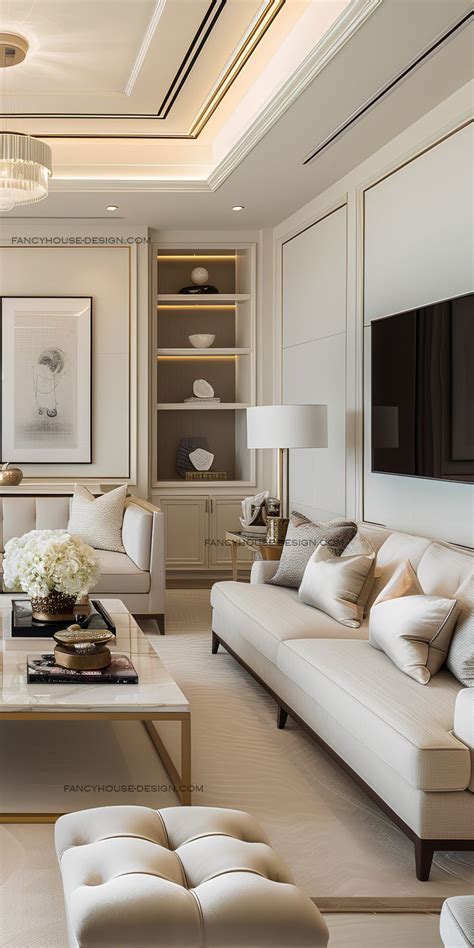
When furnishing a home in the Houston area, striking the right balance between refined aesthetic appeal and everyday resilience is essential. The local climate—marked by high humidity and prolonged warm seasons—alongside the diverse architectural styles found across Texas neighborhoods, requires a thoughtful approach to interior design. Whether you reside in a modern high-rise apartment in the Museum District, a traditional brick home in Meyerland, or a sprawling suburban build in Katy, your living room serves as the central gathering space for family and guests alike.
Investing in coordinated living room sets simplifies the design process by eliminating the guesswork of matching individual pieces, ensuring a cohesive look. However, finding the ideal set involves more than just picking a pleasing color palette. Homeowners and renters must evaluate structural integrity, fabric performance, and spatial configuration to ensure their investment withstands daily use while maintaining its sophisticated charm over the years.
Matching Interior Design Styles to Houston Architecture
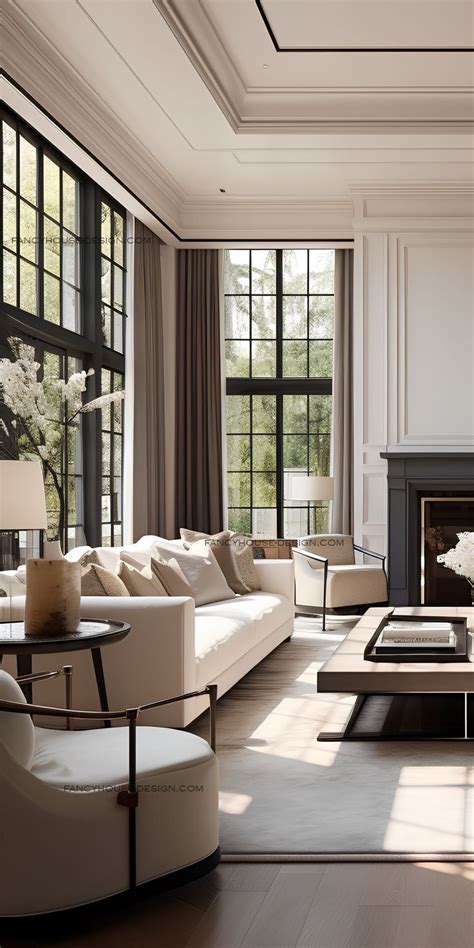
Houston’s residential landscape is wonderfully varied, ranging from mid-century modern renovations to contemporary urban builds and classic Southern traditional homes. Selecting a living room set that harmonizes with your home’s architectural DNA creates an immediate sense of visual continuity. For instance, a sleek low-profile sectional paired with minimalist walnut accents feels entirely at home in an open-concept loft or modern construction, whereas rolled-arm sofas and rich leather armchairs naturally complement traditional or transitional spaces.
Beyond broad stylistic categories, regional aesthetics often lean toward a sophisticated blend of casual comfort and curated elegance. Many homeowners favor transitional designs that bridge contemporary clean lines with classic warmth. This versatility allows you to update accent pillows, rugs, and wall art seasonally without needing to replace foundational furniture pieces. When evaluating sets, consider how the scale of the sofa and chairs interacts with your ceiling height and natural light levels, both of which vary significantly between older historic properties and new developments.
Embracing Contemporary and Transitional Aesthetics
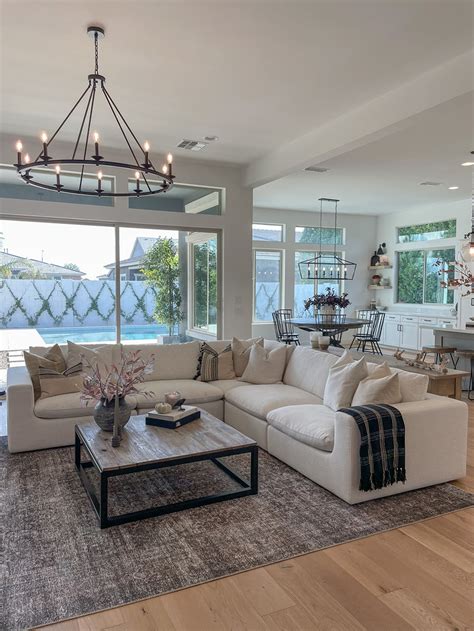
Contemporary and transitional living room sets provide immense flexibility for everyday living. Transitional styles merge classic comfort with modern simplicity, featuring neutral upholstery tones accented by subtle textures like woven chenille or textured linen blends. These sets often incorporate warm wood finishes and matte black metal hardware, which tie together seamlessly with hardwood flooring or large-format tile common in southern homes.
For open-plan layouts frequently found in suburban Texas homes, sectional configurations help delineate functional zones within a larger space. A well-placed sectional can subtly divide the living area from an adjoining kitchen or dining space without erecting physical barriers, keeping the entire floor plan feeling open, airy, and inviting for social gatherings.
Selecting Climate-Smart Materials for Year-Round Comfort
The humid subtropical climate of the Gulf Coast plays a major role in how furniture performs over time. High humidity levels can impact untreated wood frames and trap heat in certain synthetic upholstery fabrics, making material selection a critical factor for comfort. Prioritizing breathable textiles and robust frame construction ensures your furniture remains comfortable during humid summer afternoons and cozy during milder winter evenings.
When shopping for living room sets in Houston, pay close attention to the construction specifications beneath the surface. Solid kiln-dried hardwood frames prevent warping and structural sagging caused by moisture absorption, offering far superior longevity compared to unseasoned lumber or particle board alternatives. Additionally, high-density foam cushions wrapped in down-alternative or fiber batting provide the ideal balance of supportive firmness and plush relaxation.
Choosing Breathable Upholstery and Performance Fabrics
Upholstery performance is especially important if you have children, pets, or frequently entertain guests. Heavy, non-porous synthetic materials can feel sticky and uncomfortable during peak summer months when air conditioning works overtime. Instead, look for performance woven fabrics, high-grade cotton blends, or top-grain leathers that regulate temperature effectively and resist moisture retention.
Performance fabrics treated with advanced moisture-repellent technologies are widely available and offer excellent protection against accidental spills, pet hair, and everyday wear. These textiles mimic the soft touch of natural fibers while providing industrial-grade durability, making them a practical choice for busy households seeking a clean, polished appearance with minimal maintenance.
Optimizing Layouts for Entertaining and Daily Living

Arranging your living room set requires careful consideration of natural traffic flow, focal points, and conversation areas. In many Texas homes, the living room must accommodate both large weekend gatherings and quiet weeknight relaxation. Designing a flexible layout ensures the room adapts smoothly to different occasions throughout the year.
Start by identifying the primary focal point of the room, whether it is a fireplace, a media center, or a large picture window overlooking a backyard patio. Position your main seating pieces to encourage natural conversation, avoiding the common mistake of pushing all furniture directly against the walls. Pulling sofas and armchairs slightly inward creates a cozier, more intimate seating arrangement that instantly makes large rooms feel grounded and welcoming.
Balancing Scale and Proportion in Houston Apartments and Houses
Spatial constraints require different strategies depending on whether you are outfitting a compact urban apartment or a spacious suburban residence. In smaller settings, opt for raised furniture silhouettes with exposed legs; elevated pieces allow light to flow underneath, creating an illusion of expanded square footage.
Conversely, expansive rooms can easily swallow undersized furniture, making the space feel sparse or disjointed. Large rooms benefit from substantial anchor pieces, such as a deep-seated sectional paired with a large ottoman and matching accent chairs. Introducing multi-functional pieces, such as storage ottomans or nesting coffee tables, adds utility without cluttering the visual landscape of the room.
Frequently Asked Questions
What living room furniture styles work best in Texas homes?
Transitional and contemporary styles are exceptionally popular in Houston homes because they balance clean modern lines with casual, inviting comfort. They adapt easily to both historic properties and open-concept suburban builds.
How do I choose durable fabrics suited for humid climates?
Look for breathable performance fabrics, cotton-linen blends, or genuine top-grain leather. These materials regulate temperature effectively, resist moisture retention, and stand up well to daily use in warm environments.
What should I look for when evaluating the quality of a living room set?
Key quality indicators include kiln-dried hardwood frames for structural stability, high-density foam cushions that retain their shape, and reinforced joinery such as corner blocks and dowels.
How can I make a large living room feel cozy and intimate?
Avoid pushing all furniture against the walls. Pull seating arrangements inward toward a central focal point like a fireplace or media console, and use area rugs and layered lighting to define conversational zones.