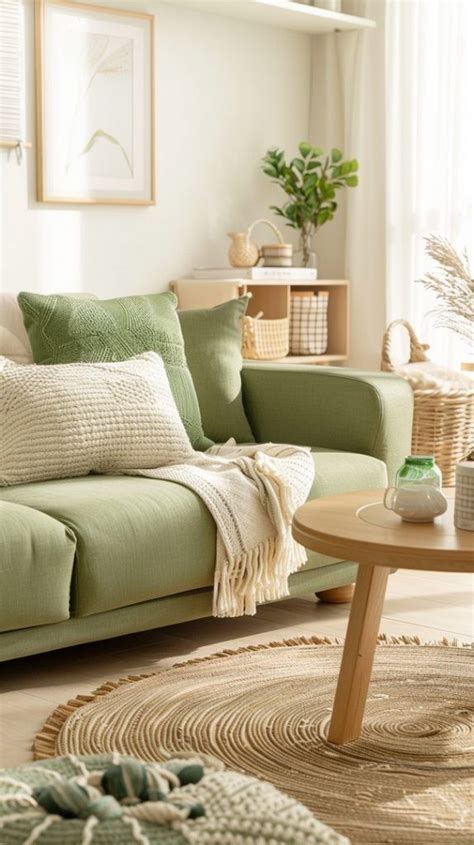
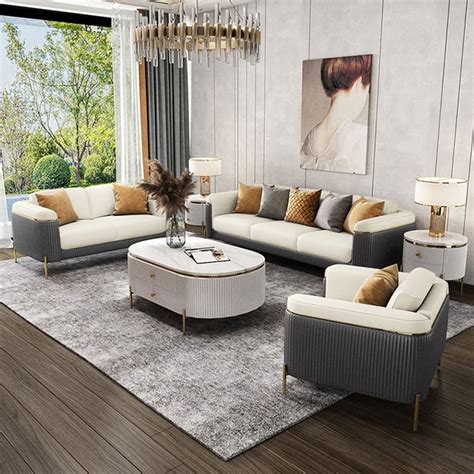
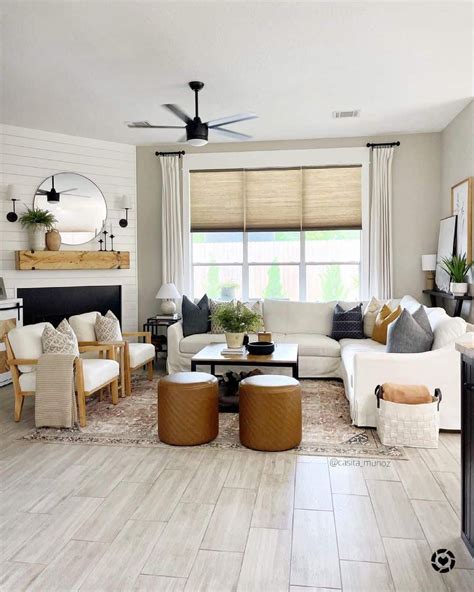
When thinking about living room flooring and wall treatments, carpet and hardwood traditionally take center stage in American residential design. However, an increasing number of homeowners and savvy renters are rediscovering the remarkable versatility of tile. Far from being restricted to moisture-prone kitchens and bathrooms, modern tile products introduce clean architectural lines, extraordinary durability, and unique artistic expression into the heart of the home. Whether you are looking to cool down a sun-drenched coastal bungalow or anchor an expansive open-plan suburban great room, strategic tile choices can completely redefine your interior space.
Choosing the right tile requires balancing aesthetic ambition with everyday functionality. American households often experience heavy foot traffic, entertaining, and active pets, meaning that material selection goes far beyond initial surface beauty. By understanding how different porcelain, ceramic, and natural stone products perform under daily wear and tear, you can curate a stunning living environment that stands the test of time while elevating your home’s overall design narrative.
Large-Format Floor Tiles for Open-Plan Living
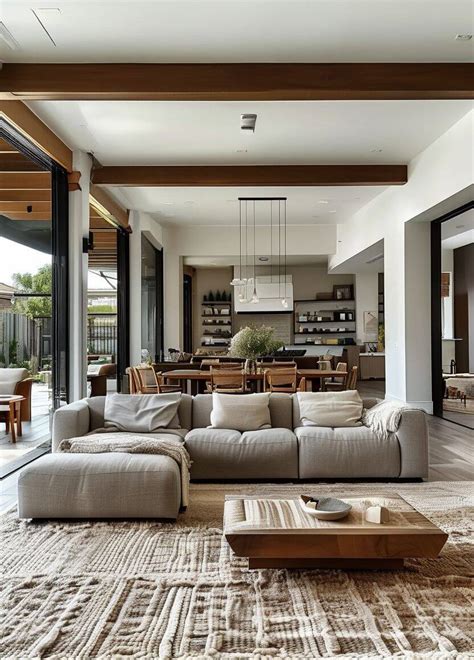
Open-concept layouts remain a defining feature of modern American architecture, seamlessly connecting kitchens, dining areas, and living spaces. Large-format floor tiles—measuring 24×24 inches or significantly larger—offer an exceptional solution for unifying these expansive zones. By minimizing grout lines, large tiles create a continuous, uninterrupted visual plane that tricks the eye into perceiving the room as even more vast and airy. This minimalist approach pairs exceptionally well with contemporary and transitional interior styles, allowing your furniture and lighting fixtures to command attention without visual competition from busy flooring patterns.
When selecting large-format tiles for a living room, porcelain stands out as the premier material choice due to its extreme density and resistance to cracking under heavy furniture loads. Matte and honed finishes are particularly popular in sunlit American living spaces because they diffuse natural light rather than creating harsh glares. To prevent large tiled spaces from feeling sterile or uninviting, consider anchoring seating areas with plush, tactile wool rugs or balancing the cooler floor surfaces with warm wood architectural elements like exposed beams or built-in shelving.
Wood-Look and Concrete-Look Tiles: Balancing Warmth and Industrial Edge
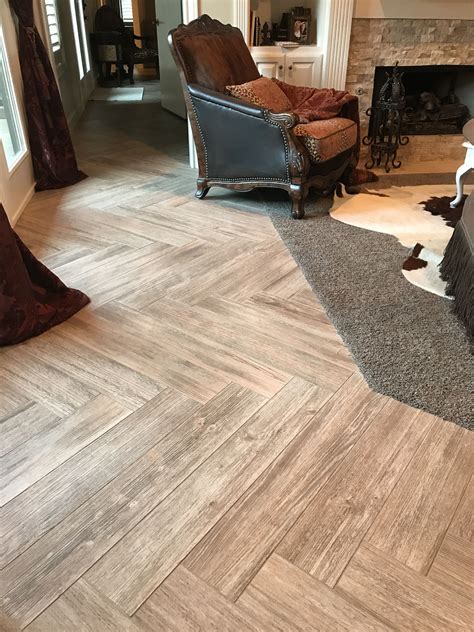
Homeowners often grapple with a common design dilemma: they love the sleek, modern aesthetic of concrete or the timeless warmth of hardwood, but worry about moisture, warping, or scratching. Wood-look and concrete-look porcelain tiles bridge this gap brilliantly. Wood-look planks mimic the rich graining and warm tones of oak, walnut, or hickory while offering complete immunity to pet claws, spilled beverages, and heavy foot traffic. Meanwhile, concrete-look tiles deliver an urban, industrial atmosphere that complements loft apartments and modern suburban builds alike.
The tactile experience of these tiles has evolved dramatically in recent years. Manufacturers now use advanced digital printing and textured stamping techniques to replicate not just the color, but the physical grain and porosity of natural wood or the slight pitting of poured concrete. In colder northern climates where bare tile can feel chilly during winter months, pairing these installations with hydronic or electric underfloor radiant heating systems transforms the living room into a cozy, comforting sanctuary.
Statement Wall Tiles and Fireplace Surrounds
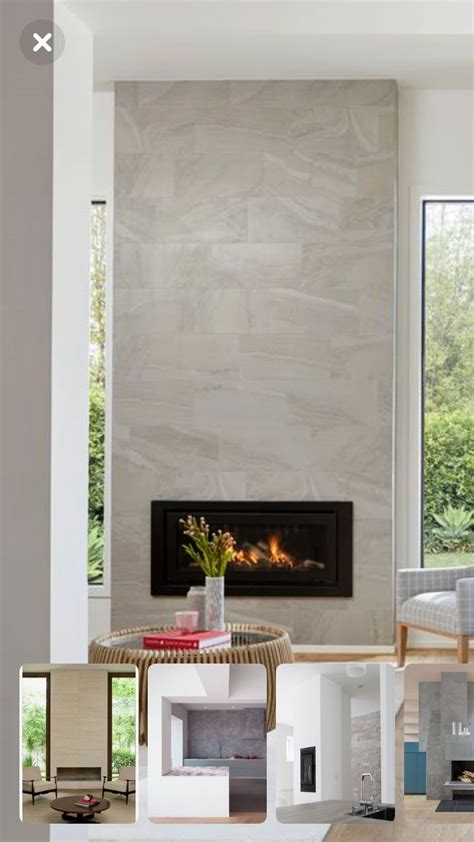
While floors demand durability, living room walls offer a vertical canvas for pure artistic expression. Installing a statement tile wall or wrapping a fireplace surround in textured stone or geometric ceramics instantly establishes a striking focal point. In many American homes, the fireplace serves as the traditional architectural anchor of the living room. Replacing outdated brick or dated oak mantels with sleek slabs of marble-look porcelain or hand-glazed Moroccan zellige tiles infuses the room with immediate modern sophistication and texture.
Vertical tile applications also play a crucial role in altering room proportions. If your living room features modest ceiling heights, running vertical rectangular tiles or tall stacked stone panels draws the eye upward, making the room feel taller and more voluminous. When designing a wall feature, consider how natural light from side windows interacts with the tile surface. Glossy finishes catch and bounce daylight around dim spaces, while dimensional or relief tiles create dramatic shadow play as the sun shifts throughout the day.
Geometric and Patterned Tiles for Eclectic Spaces
For those who lean toward bohemian, eclectic, or maximalist design aesthetics, patterned and geometric tiles introduce vibrant personality and rhythm into the living room. Encaustic cement tiles and patterned porcelain tiles can be used to define specific zones within a multi-functional space, such as a cozy reading nook or a stylish cocktail bar alcove. These intricate designs function like permanent, built-in artwork, allowing you to incorporate rich color palettes that tie together your throw pillows, drapery, and wall art.
Implementing bold patterns requires a careful balancing act to ensure the room remains harmonious rather than overwhelming. If you choose a vibrant, highly patterned tile for a central floor inset or accent wall, keep the surrounding walls and furniture upholstery relatively neutral. This contrast allows the tile design to shine as an intentional statement piece. Always order a physical sample and place it in your living room to observe how the colors shift under your specific interior lighting conditions before committing to a full installation.
Frequently Asked Questions
What are the best tile materials for living room floors?
Porcelain is widely considered the best overall material for living room floors due to its exceptional density, scratch resistance, and durability under heavy foot traffic. Natural stone like marble or travertine offers unmatched luxury but requires regular sealing, while ceramic is budget-friendly but generally less durable than porcelain.
How can I use tiles on living room walls without making the space feel cold?
To prevent tiled walls from feeling cold or institutional, choose warm color palettes, textured finishes like handmade zellige or wood-look panels, and pair the tile with soft furnishings such as upholstered sofas, heavy drapes, and layered area rugs.
Are tiles suitable for living rooms in colder American climates?
Yes, tiles work wonderfully in colder climates, especially when paired with modern radiant underfloor heating systems. This combination provides efficient ambient warmth while maintaining the durability and easy maintenance of tile flooring.
How do I clean and maintain large living room tile installations?
Routine maintenance involves regular sweeping or vacuuming to remove abrasive dust and grit, followed by damp mopping with warm water and a neutral, pH-balanced cleaner. Avoid harsh chemical cleaners that can degrade grout lines over time.