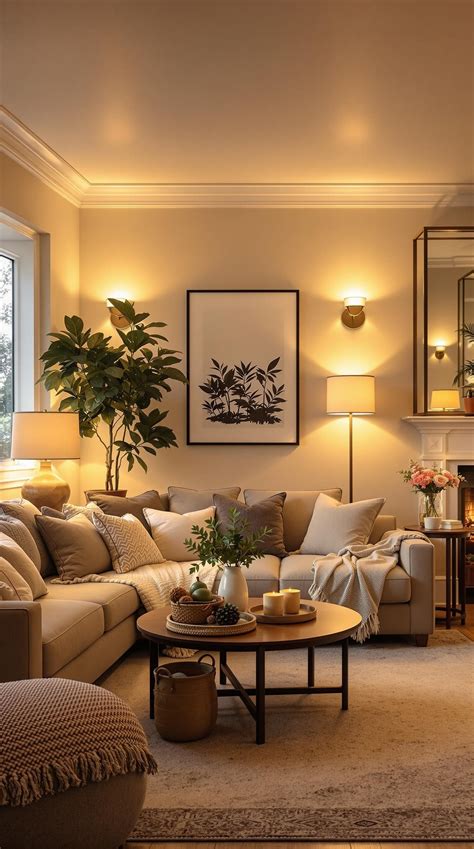
Designing a compact living room presents a unique set of challenges, requiring a careful balance between aesthetic appeal and everyday functionality. When square footage is limited, every single design choice—from the scale of your sofa to the placement of your lighting fixtures—plays a crucial role in determining how open and welcoming the space feels. Whether you live in a historic city apartment with cozy dimensions or a modern suburban home with a snug family room, implementing smart spatial strategies can completely change your environment.
Rather than feeling restricted by tight walls, you can treat a compact footprint as an opportunity to curate a more intentional, streamlined, and comfortable interior. By focusing on multi-purpose furnishings, clever vertical storage, and optical illusions that trick the eye into perceiving greater depth, you create a room that serves your lifestyle without compromise. The following collection of 45 practical ideas provides a comprehensive roadmap for transforming your small living room into a sophisticated, highly functional sanctuary.
Smart Furniture Selections for Small Spaces

Choosing the right furniture is the single most important decision you will make when outfitting a compact living room. Oversized sectional sofas and massive entertainment centers quickly overwhelm small floor plans, restricting movement and making the room feel cramped. Instead, prioritize pieces that offer generous visual breathing room while delivering maximum utility through clever design and adaptable features.
Renters and homeowners alike benefit from investing in lightweight, modular, or transparent furnishings that maintain an open line of sight across the room. When furniture legs are exposed, light flows underneath the pieces, creating the subconscious impression of a larger floor area. Below are essential furniture strategies designed to keep your compact living room feeling airy, organized, and effortlessly stylish.
Multi-Functional and Adaptable Furnishings
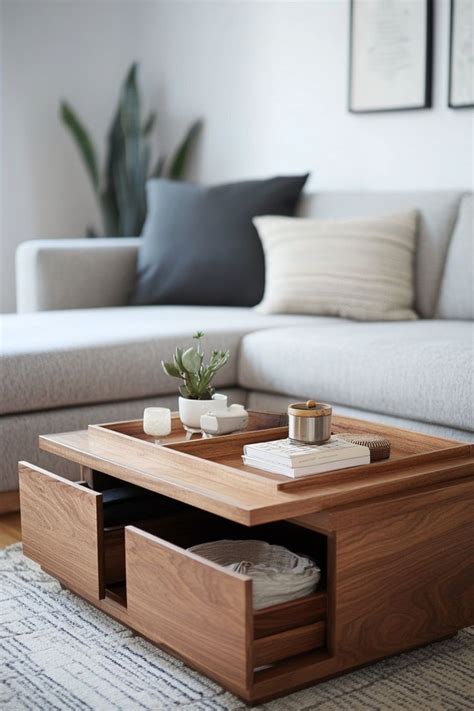
- 1. Lift-top coffee tables: Provide hidden interior storage while creating an ergonomic surface for working or dining from the sofa.
- 2. Nesting tables: Pull out when guests arrive and tuck neatly underneath one another to clear floor space during daily routines.
- 3. Storage ottomans: Serve double duty as comfortable footrests and discrete hiding spots for extra throw blankets and reading materials.
- 4. Modular sectionals: Allow you to reconfigure seating arrangements depending on whether you are hosting a gathering or relaxing quietly.
- 5. Drop-leaf or extendable console tables: Act as slim accent tables against a wall and expand into full dining or workspace areas when needed.
- 6. Sleeper chairs or loveseats: Offer overnight guests a comfortable place to sleep without committing to a bulky permanent pull-out sofa.
- 7. Benches with built-in shelving: Fit neatly beneath windows or along walls, combining casual seating with open shoe or basket storage.
Scale, Silhouette, and Arrangement Tactics
- 8. Leggy silhouettes: Choose sofas, chairs, and media consoles with slender, elevated legs to maximize visible floor space and light distribution.
- 9. Armless accent chairs: Deliver necessary seating capacity without the visual bulk associated with traditional wide arms and heavy upholstery.
- 10. Acrylic or glass coffee tables: Disappear visually within the room, eliminating the heavy visual weight of solid wood or metal surfaces.
- 11. Curved or rounded furniture: Soften rigid architectural lines, improve natural traffic flow, and eliminate sharp corners in narrow rooms.
- 12. Floating media consoles: Mount directly to the wall at custom heights, freeing up valuable floor space underneath for baskets or electronics.
- 13. Intentionally angled layouts: Position a main armchair diagonally in a corner to break up rigid parallel lines and create dynamic energy.
Vertical Space Utilization and Storage Solutions
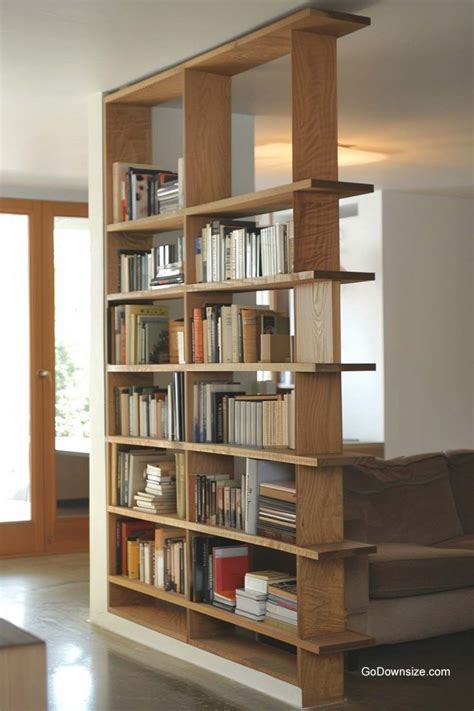
When horizontal square footage is severely restricted, looking upward is the most logical step for expanding your storage and display capabilities. Utilizing your vertical surfaces prevents clutter from accumulating on the floor and coffee tables, which is the fastest way to make a small room feel chaotic. Wall-mounted systems draw the eye upward, emphasizing room height rather than narrow width.
Implementing vertical storage does not require permanent architectural overhauls, making it an ideal approach for apartment renters who must minimize wall damage. From tension-rod shelving units to creative hanging displays, smart vertical organization keeps your everyday essentials accessible while preserving clean, uncluttered pathways throughout your living area.
Elevated Storage and Display Ideas
- 14. Floor-to-ceiling bookshelves: Draw attention to vertical proportions while offering massive storage capacity for books, plants, and decorative objects.
- 15. Floating wall ledges: Create slim profiles for displaying framed artwork and photographs without protruding heavily into walkways.
- 16. Tall, narrow media towers: Utilize unused vertical wall gaps on either side of a window or doorway rather than wide entertainment centers.
- 17. Wall-mounted bike or guitar racks: Turn personal hobbies and instruments into striking vertical wall art while saving precious floor storage.
- 18. Over-the-door organizational pockets: Utilize the back of living room or hallway entry doors for stashing mail, remotes, and small accessories.
- 19. Tall indoor plant stands: Elevate greenery to different eye levels, adding organic texture without taking up valuable surface space on tables.
- 20. Recessed wall niches: Take advantage of wall cavity space during minor renovations to build flush shelving without encroaching on the room.
Optical Illusions and Visual Expansion Techniques
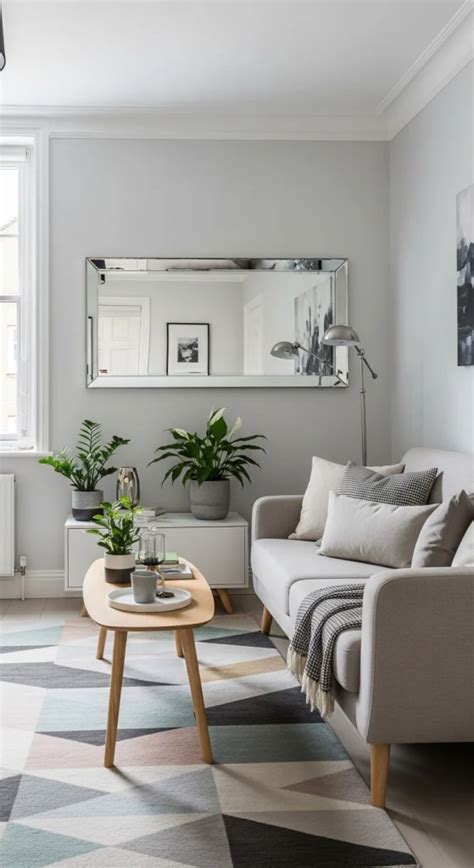
Interior design relies heavily on psychological perception, and you can easily manipulate how large a room feels through strategic visual choices. Color, reflectivity, and pattern placement alter the boundaries of a space, making tight walls appear to recede and low ceilings feel significantly higher. These optical strategies require zero structural changes, making them universally accessible for any home.
Coordinating your palette and introducing reflective surfaces amplifies natural light throughout the day, bouncing brightness into dark corners. By carefully managing visual contrast and streamlining your color transitions, you create a cohesive environment that feels expansive, calm, and visually balanced rather than busy or fragmented.
Color, Light, and Reflection Strategies
- 21. Monochromatic color schemes: Paint walls, trim, and large furniture in harmonious tonal shades to eliminate harsh visual borders and expand boundaries.
- 22. Oversized wall mirrors: Hang large mirrors opposite windows to double the amount of natural light and create an illusion of depth.
- 23. Vertical stripe patterns: Use striped wallpaper, tall curtains, or vertical wood slat paneling to visually stretch low ceilings upward.
- 24. High-gloss ceiling finishes: Reflect ambient light back down into the room, creating an airy atmosphere and perceived vertical height.
- 25. Light-reflecting metallic accents: Introduce brushed brass, polished nickel, or chrome frames to catch and scatter light across dark spaces.
- 26. Continuous flooring materials: Extend the exact same flooring from your entryway or hallway directly into the living room for seamless flow.
- 27. Low-profile window treatments: Mount curtain rods close to the ceiling line and let panels pool slightly to exaggerate window height.
Minimalist Decor and Styling Principles
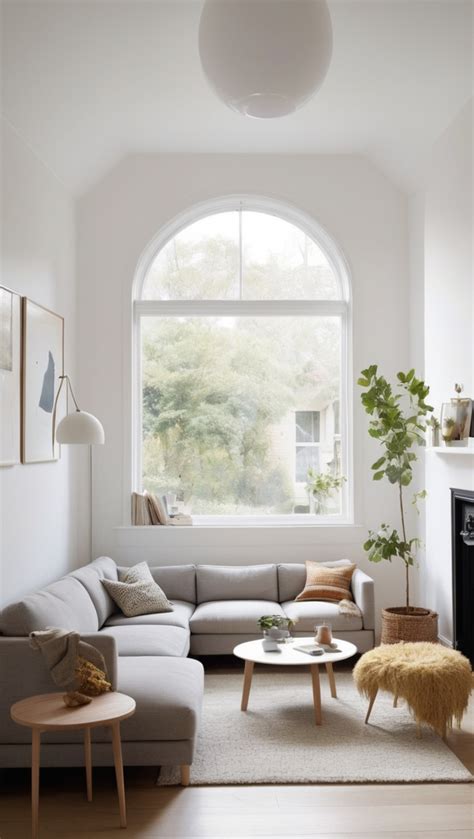
Styling a compact living room requires a disciplined edit of your decorative accessories. In a small space, clutter accumulates rapidly and instantly overwhelms the visual field. Adopting a curated, minimalist approach means every decorative object serves a distinct purpose, whether it introduces necessary texture, personal warmth, or a splash of complementary color.
Instead of displaying numerous small items that create visual clutter, opt for fewer, larger statement pieces. Grouping decor items with intention and maintaining negative space on tabletops and walls allows the eye to rest, resulting in a serene environment that feels sophisticated and intentionally designed.
Curated Styling and Layout Tricks
- 28. Statement oversized art pieces: Hang one large canvas rather than a cluttered gallery wall to simplify the visual field and calm the room.
- 29. Transparent ghost chairs: Provide functional seating while visually dissolving into the background, preserving an open sightline.
- 30. Coordinated storage baskets: Gather loose cords, toys, and miscellaneous items inside stylish woven seagrass or felt bins tucked on shelves.
- 31. Unified hardware finishes: Match your curtain rods, lamp bases, and cabinet pulls to create a cohesive, distraction-free aesthetic.
- 32. Low-slung seating profiles: Choose floor cushions or low armchairs to keep sightlines open across the entire living area.
- 33. Scaled lighting fixtures: Avoid massive multi-tier chandeliers; instead, choose sleek arc floor lamps or flush-mount ceiling fixtures.
- 34. Multi-zone rug layering: Use a large, neutral base rug with a smaller patterned rug on top to visually anchor specific functional zones.
Lighting and Ambiance Enhancements
Lighting is often the most overlooked element in small-space design, yet it holds immense power over the atmosphere of a room. Relying solely on a harsh overhead ceiling light flattens the space and accentuates cramped corners. Layered lighting introduces depth, warmth, and dimension, making a compact living room feel intimate and cozy rather than dark and confined.
By combining ambient, task, and accent lighting at different heights throughout the room, you create pockets of illumination that draw the eye around the space. Wall sconces and plug-in swing-arm lamps are particularly effective for saving surface space while delivering targeted illumination for reading or relaxing.
Layered Lighting and Fixture Ideas
- 35. Plug-in wall sconces: Eliminate the need for side table lamps and floor cords by mounting reading lights directly beside the sofa.
- 36. Arc floor lamps: Arch gracefully over seating areas to provide overhead light without requiring ceiling electrical wiring or bulky table bases.
- 37. Warm-toned LED lightbulbs: Create an inviting, cozy atmosphere that softens sharp interior corners and enhances skin tones.
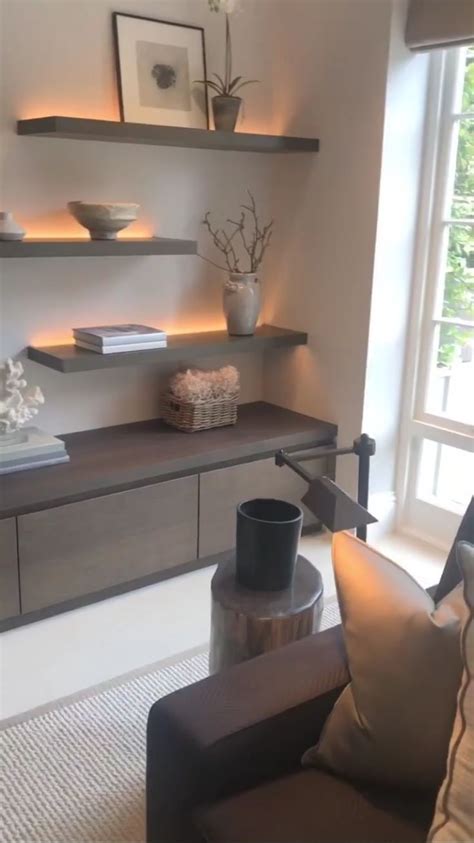
- 38. Under-shelf strip lighting: Illuminate display shelves to add sophisticated depth and highlight favorite books or decorative ceramics.
- 39. Dimmable light switches: Allow you to transition the room easily from bright daytime productivity to moody evening relaxation.
- 40. Backlit television screens: Reduce eye strain and create a modern floating effect behind wall-mounted entertainment displays.
Renter-Friendly and Flexible Styling Hacks
Living in a rental property comes with strict limitations regarding permanent alterations like painting walls, drilling heavy anchors, or swapping electrical fixtures. Fortunately, modern design offers plenty of clever, non-permanent solutions that let you personalize your compact living room completely without violating lease agreements or risking your security deposit.
Temporary upgrades, renter-safe adhesives, and freestanding furniture systems deliver high visual impact while remaining entirely reversible when it is time to move. These flexible solutions prove that you do not need to own a home to create a deeply personal, beautifully styled, and highly functional living space.
Temporary and Reversible Design Solutions
- 41. Peel-and-stick wallpaper: Add bold accent patterns or rich textures to a single feature wall without leaving adhesive residue behind.
- 42. Command-strip art galleries: Hang lightweight framed prints and mirrors securely using heavy-duty damage-free hanging strips.
- 43. Tension-rod room dividers: Create distinct zones in open-plan studio apartments or small living rooms without drilling into ceilings or floors.
- 44. Freestanding electric fireplaces: Add architectural warmth and cozy ambiance against a wall without installing permanent gas or wood burners.
- 45. Slipcovered furniture: Refresh worn or dark rental seating with light, washable fabric covers that instantly brighten the room.
Frequently Asked Questions
How can I make a small living room look bigger without renovating?
You can significantly expand the perceived size of a small living room by implementing simple optical and spatial strategies. Use a monochromatic or light-neutral color palette to eliminate harsh visual barriers, hang large mirrors to reflect natural light and create depth, and choose furniture with exposed legs to keep the floor visible and maintain an open sightline across the room.
What kind of furniture works best in a compact living space?
Furniture that serves multiple functions or has a lightweight silhouette works best in compact rooms. Look for storage ottomans, lift-top coffee tables, modular sectionals, and armless accent chairs. Additionally, transparent acrylic tables and leggy sofas help light flow freely beneath and around them, preventing the space from feeling overcrowded.
How do I maximize storage in a small living room without creating clutter?
The key to maximizing storage in tight quarters is utilizing vertical space and hidden compartments. Install floor-to-ceiling bookshelves or floating wall ledges to draw the eye upward and keep items off the floor. Incorporate multi-functional furniture like storage benches and media consoles with closed cabinets to tuck away everyday clutter discreetly.
What are the best paint colors for small living rooms?
Light, reflective neutrals such as soft warm whites, pale grays, gentle beiges, and muted pastels work best because they bounce natural light around the room. If you prefer a dramatic look, painting a small room in a deep, moody color like navy or charcoal can also blur the wall boundaries, creating a cozy, intimate atmosphere rather than feeling confining.