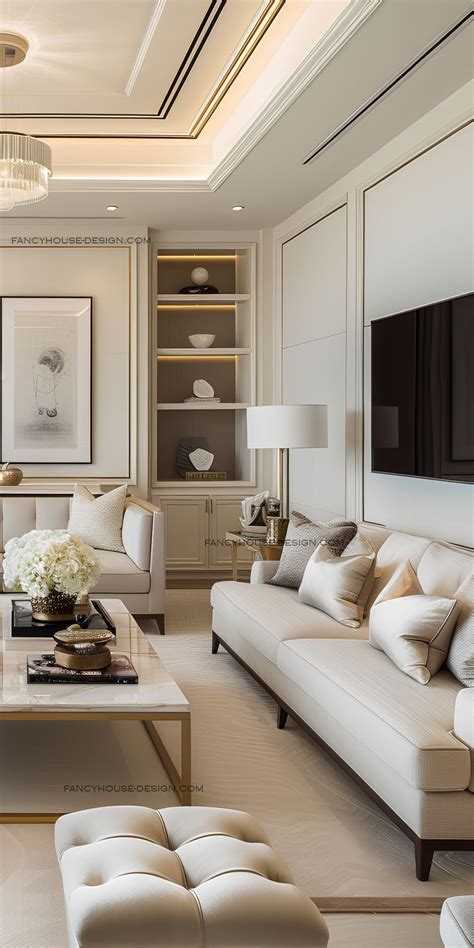
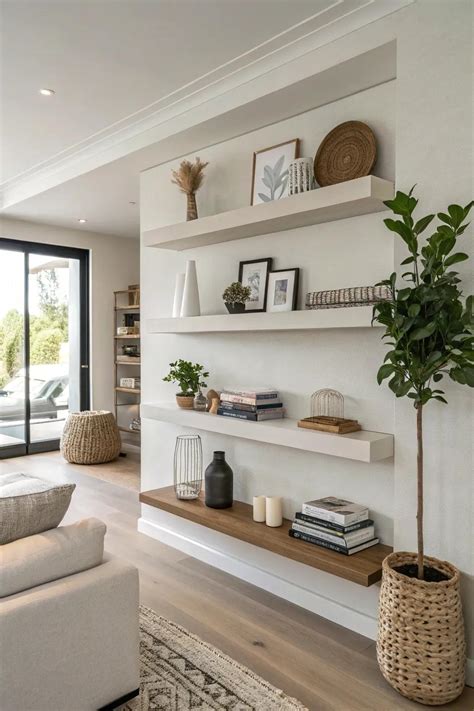
Grey tiles offer a clean, contemporary foundation for modern living spaces, but they can occasionally skew cold, stark, or uninviting if not balanced correctly. Whether you moved into an apartment featuring immutable neutral flooring or you are looking to refresh your own home without embarking on a disruptive tile-replacement project, neutralizing cold floor tones is entirely achievable. The secret lies in understanding how light interacts with hard surfaces and introducing elements that naturally soften the overall atmosphere of the room.
By intentionally layering organic textures, adjusting your room’s color palette, and implementing smart lighting techniques, you can completely redefine the mood of your living area. This guide explores practical interior design strategies tailored for both homeowners and renters who want to turn a sterile grey-tiled floor into a warm, welcoming space that feels grounded and comfortable.
Mastering the Foundation with the Right Area Rugs
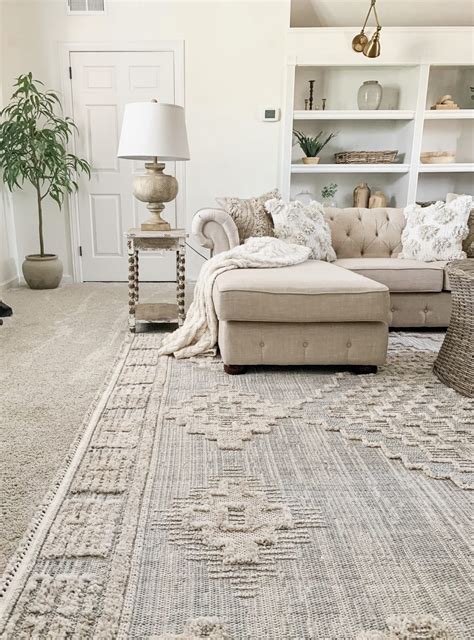
The fastest and most impactful way to alter the presence of grey tile in a living room is by introducing a large, plush area rug. Tiles inherently absorb less ambient warmth and reflect light in ways that can make a room feel chilly. Laying down a high-pile or tightly woven rug acts as a visual and physical barrier against the cold stone surface beneath your feet.
When selecting a rug to complement grey tile, focus on materials that bring natural warmth to the room, such as wool, jute, or thick cotton blends. Steer clear of stark white or overly cool blue carpets, which will only emphasize the chilliness of the underlying floor. Instead, opt for warm neutrals like cream, beige, oatmeal, or terracotta. If you prefer a patterned rug, look for Moroccan shag styles or vintage-inspired designs that incorporate subtle rust, mustard, or olive accents to bridge the gap between the cool floor and your furniture.
Introducing Warm Color Palettes for Walls and Furnishings
Your wall color and major furniture pieces play a critical role in balancing out grey flooring. If your living room features cool grey walls in addition to grey tiles, the space can quickly feel like a concrete box. To counteract this effect, consider shifting your wall color toward warmer undertones, such as creamy off-whites, soft taupes, or even rich, moody earth tones like olive green or warm terracotta.
Furniture choices should similarly lean toward softening the hard lines and cool temperature of the room. Introduce wooden elements with warm grains, such as white oak, walnut, or teak coffee tables and shelving units. Leather armchairs in caramel or cognac brown instantly inject a dose of organic warmth. When choosing upholstered sofas, select tactile fabrics like bouclé, velvet, or heavy linen in warm neutral shades to break up the monotonous expanse of tile.
Layering Textures to Combat Visual Hardness
Tile floors introduce a significant amount of hard, reflective surface area into a living room. To create a welcoming environment, you must balance these hard surfaces with an abundance of soft, tactile textures throughout the rest of the space. Layering textiles is a tried-and-true interior design method that adds depth, dimension, and cozy comfort to any room.
Incorporate chunky knit throw blankets, velvet accent pillows, and linen draperies that pool slightly on the floor to soften the harsh perimeter where the wall meets the tile. Window treatments are especially important; floor-length curtains in warm, natural fabrics frame your windows while drawing the eye upward, making the cold floor feel like just one component of a rich, multi-layered design scheme rather than the defining feature of the room.
Strategic Lighting to Warm Up Cool Spaces
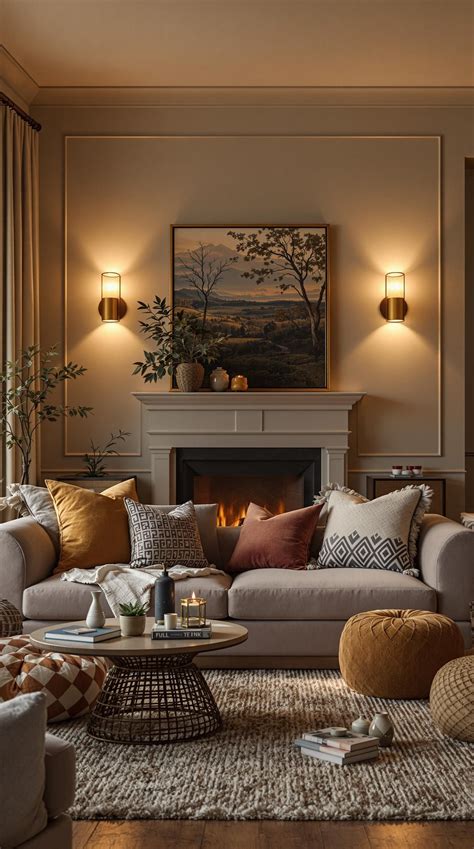
Lighting is one of the most powerful tools in interior design, yet it is frequently overlooked when addressing flooring issues. Cool grey tiles reflect light in a way that can amplify the blueness of daylight bulbs, making a room feel sterile. To fix this, evaluate the color temperature of your light bulbs and transition away from stark daylight LEDs toward warm white bulbs ranging between 2700K and 3000K.
Implement a layered lighting plan that utilizes multiple sources at varying heights rather than relying solely on a harsh overhead ceiling light. Combine floor lamps with warm fabric shades, dimtable table lamps, and accent lighting directed at bookshelves or artwork. This approach eliminates harsh shadows across the tile floor and creates a soft, ambient glow that makes the entire living room feel intimate and inviting.
Rental-Friendly and Permanent Solutions for Grey Tile
Depending on whether you own your home or rent your living space, your options for dealing with undesirable grey tile will vary significantly. Renters need non-permanent solutions that won’t damage the underlying surface, while homeowners can explore more durable, long-term upgrades if minor cosmetic fixes are not enough.
For renters, peel-and-stick vinyl tiles or removable floor stickers offer a temporary way to completely change the look of the floor without violating lease agreements. Alternatively, layering multiple large area rugs or using modular outdoor-indoor carpet tiles can cover a substantial portion of the tile surface. For homeowners willing to invest in a permanent transformation, options include professional tile painting using durable epoxy floor coatings, laying engineered hardwood directly over the tile, or undertaking the more labor-intensive process of removing the tile to install warmer flooring materials.
Frequently Asked Questions
How do I make grey tile look warmer in a living room?
You can make grey tile look warmer by introducing high-pile or natural fiber rugs in cream, beige, or earth tones. Pairing the floor with warm wooden furniture, tactile fabrics like bouclé and velvet, and warm-toned lighting (2700K bulbs) will also significantly counteract the cool, sterile feel of grey tile.
What colors go best with a grey tile living room?
Warm neutrals like cream, beige, and taupe work exceptionally well with grey tiles. To add contrast and vibrancy, incorporate accent colors such as terracotta, mustard yellow, olive green, or cognac brown through textiles, wall art, and decor accessories.
Can I change grey tile living room floors without replacing them?
Yes. If you are a renter or prefer a budget-friendly update, you can use peel-and-stick vinyl flooring, large area rugs, or modular carpet tiles. Homeowners can also consider specialized tile painting kits and epoxy floor coatings for a more enduring change.