When designing a living space, the temptation is often to match the dimensions of the furniture directly to the dimensions of the room. However, introducing a single, well-chosen oversized furniture piece can completely transform an ordinary interior into a deeply inviting sanctuary. Rather than making a space feel smaller, a grand sectional, a deep-seated lounge chair, or an expansive wooden coffee table creates a purposeful focal point. The secret lies in understanding how scale, proportion, and spatial flow interact within your daily routine.
Embracing larger furniture items is especially liberating for renters and homeowners who crave both visual drama and ultimate relaxation. Instead of filling a room with numerous smaller items that can quickly result in visual clutter, a curated approach featuring one or two generous statement pieces establishes a clean, intentional foundation. By mastering the delicate balance between open floor space and substantial furnishings, you can achieve a sophisticated editorial look that never compromises on physical comfort.
Choosing the Right Anchor Piece for Your Room
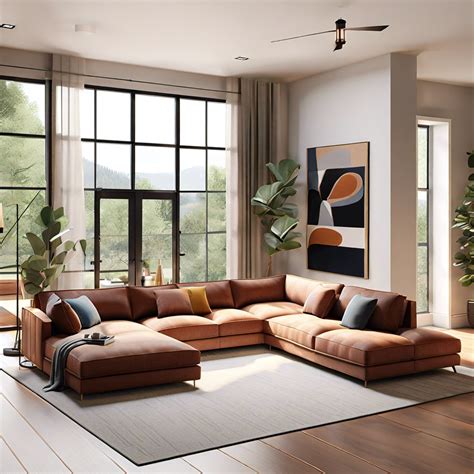
Every well-designed room requires an anchor—a foundational element that dictates the functional purpose and visual weight of the space. When selecting an oversized anchor piece, such as a deep modular sofa or an impressive media console, you must evaluate both the architectural features of your room and your lifestyle needs. Consider how you spend time in the space; if hosting movie nights or lounging with family is a priority, investing in a generous seating option becomes an obvious design win.
Before committing to a massive purchase, map out the footprint using painter’s tape on your floor to visualize how the piece will inhabit the real estate. Pay close attention to doorways, windows, and radiator placements to ensure the item does not disrupt essential access points. An ideal anchor piece establishes a sense of grounded stability, making the surrounding room feel more cohesive rather than dominated by an arbitrary, out-of-scale object.
Balancing Scale and Proportion in Compact vs. Large Spaces
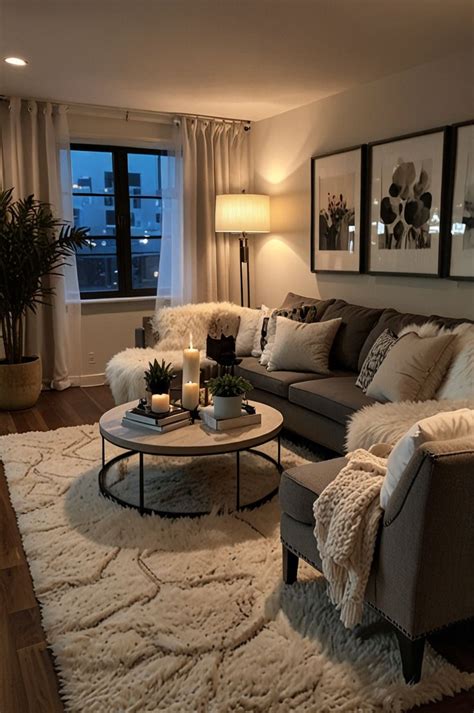
A common misconception is that oversized furniture belongs exclusively in sprawling suburban homes with vaulted ceilings. In reality, incorporating a single large element into a compact apartment can trick the eye into perceiving the room as more intentional and expansive. When a small living room features one large sectional instead of a cramped sofa and two mismatched chairs, the visual noise drops dramatically, resulting in a cleaner and more unified aesthetic.
In larger rooms, oversized furniture prevents vast open-concept spaces from feeling cavernous, cold, or uncurated. To maintain harmony, you must balance the mass of your oversized furniture with proportional surrounding decor. Pairing a massive sofa with delicate, slim-legged accent tables or airy lighting fixtures prevents the room from feeling heavy. This interplay of heavy and light elements creates visual contrast, keeping the overall environment dynamic and visually engaging.
Strategic Layouts to Maintain Effortless Traffic Flow
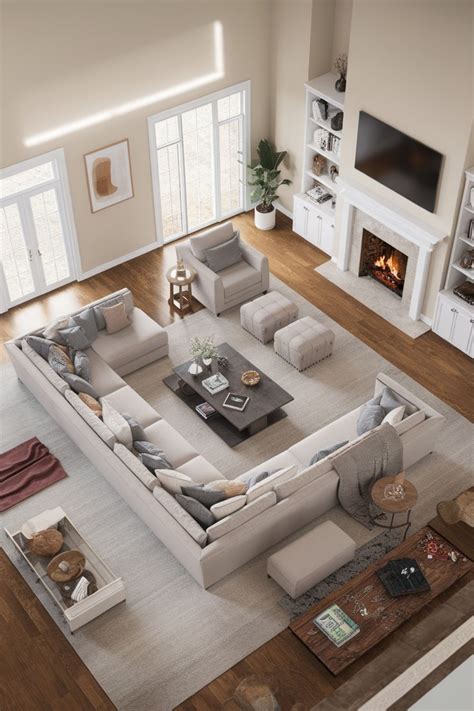
Placing large furniture into a home requires careful attention to traffic patterns and spatial ergonomics. No matter how comfortable a sofa or armoire might be, a room fails functionally if inhabitants have to squeeze past sharp corners or dodge coffee tables to walk through the door. Maintain clear pathways of at least thirty inches around your primary furniture items to ensure the space remains navigable and safe for everyday living.
Instead of pushing every piece of furniture flat against the perimeter walls—a common reflex in smaller rooms—try floating your oversized anchor piece slightly inward. Pulling a large sofa away from the wall by just a few inches can dramatically improve the breathing room of a space while creating a more intimate, conversational seating arrangement. Combine this layout shift with low-profile media units to preserve sightlines and maximize the feeling of openness.
Styling and Accessorizing Around Oversized Furnishings
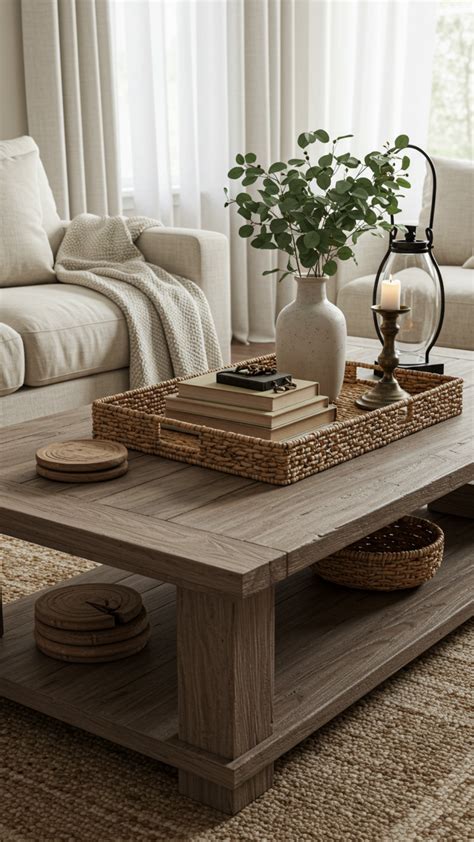
Once your grand furniture piece is securely in place, the styling phase brings personality and softness to the arrangement. Because oversized items command significant visual weight, your accessories must be chosen with equal deliberation. Avoid cluttering a massive coffee table with dozens of tiny knick-knacks; instead, opt for bold, substantial objects like a heavy ceramic bowl, a stack of art books, or a large tray that can hold its own against the furniture’s scale.
Textiles also play an essential role in softening the architectural lines of large furniture. Layering chunky knit throw blankets, structured lumbar pillows, and oversized wall art directly behind your seating area helps bridge the gap between the furniture and the surrounding architecture. By anchoring the wall space with art that matches the width of your furniture, you create a balanced vertical and horizontal plane that feels complete and professionally designed.
Frequently Asked Questions
Can you put oversized furniture in a small room?
Yes, absolutely. Using one large statement piece instead of several smaller items often reduces visual clutter, making a compact room feel more intentional, cohesive, and surprisingly spacious.
How do you style a room around a massive statement piece?
Balance the visual weight of the statement piece by pairing it with lighter, airier surrounding elements like slim-profile accent tables, large-scale wall art, and carefully chosen structural accessories rather than numerous small trinkets.
What are the best layout tips to prevent a room from feeling crowded?
Keep clear walking paths of at least thirty inches around your furniture, and avoid pushing every piece flat against the walls. Floating your main seating area slightly inward often improves traffic flow and room ergonomics.
How do you balance oversized furniture with the rest of your decor?
Create visual contrast by mixing heavy, solid forms with lightweight textures. Incorporate tactile elements like oversized throws, substantial decorative trays, and proportional lighting to tie the entire room together harmoniously.


