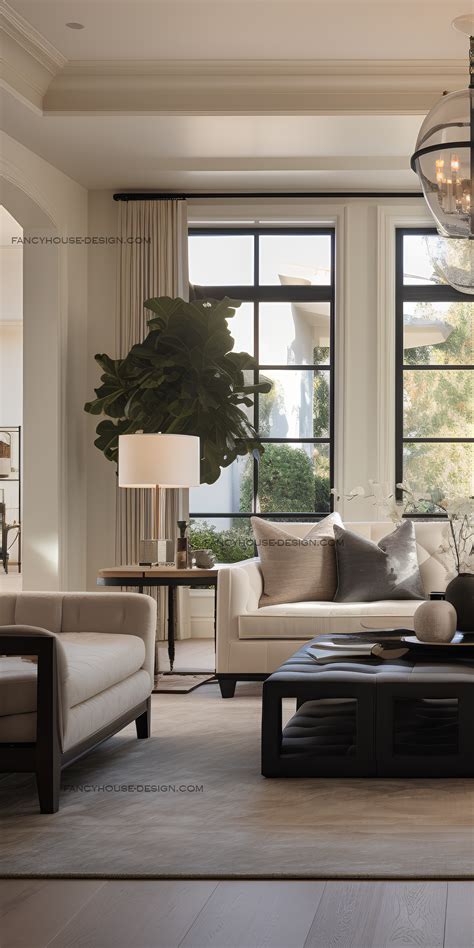
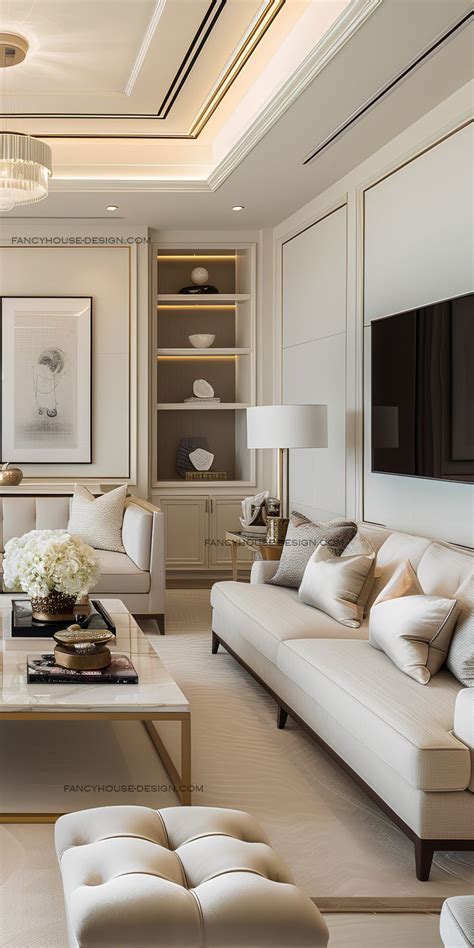
When planning a living room refresh, flooring and wall finishes dictate the entire mood of the space. Gray tile has emerged as a powerhouse material in contemporary American interior design, offering a sleek, sophisticated canvas that effortlessly bridges minimalist and traditional aesthetics. Far from feeling cold or industrial, modern gray tiles come in a remarkable spectrum of warm undertones, organic stone looks, and tactile finishes that suit the diverse climates and architectural styles found across the United States.
Whether you are embarking on a permanent home renovation or searching for creative ways to upgrade a rental property’s surface aesthetic, understanding how to select and style gray tile makes all the difference. This guide explores popular shades, trending layouts, practical climate considerations like radiant heating, and effective design strategies to ensure your gray-tiled living room feels deeply welcoming and visually stunning.
Choosing the Right Shade of Gray: Warm vs. Cool Undertones
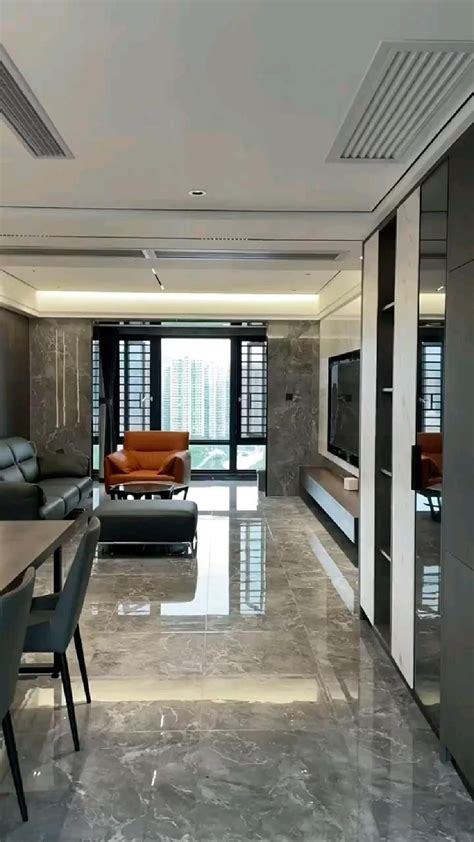
The foundation of any successful gray tile design lies in identifying the undertones. Gray is rarely a pure neutral; it frequently leans toward blue, green, violet, or warm beige tones often referred to as greige. For U.S. living rooms located in cooler northern regions with long winters, cool gray tiles can sometimes accentuate a chilly atmosphere unless balanced carefully with lighting and textiles. Conversely, warm gray or greige tiles harmonize beautifully with natural sunlight in southern and western states, creating an organic, grounding effect.
When evaluating tile samples, always view them in your actual living room lighting at different times of the day. Natural daylight streaming through large windows can dramatically shift how a gray tile reads, sometimes washing out subtle variations or pulling unexpected blue hues from a supposedly neutral slate. Selecting a shade that complements your existing architectural features, window orientation, and artificial lighting setup prevents the room from feeling stark or uninviting.
Trending Layout Patterns and Tile Sizes for American Homes
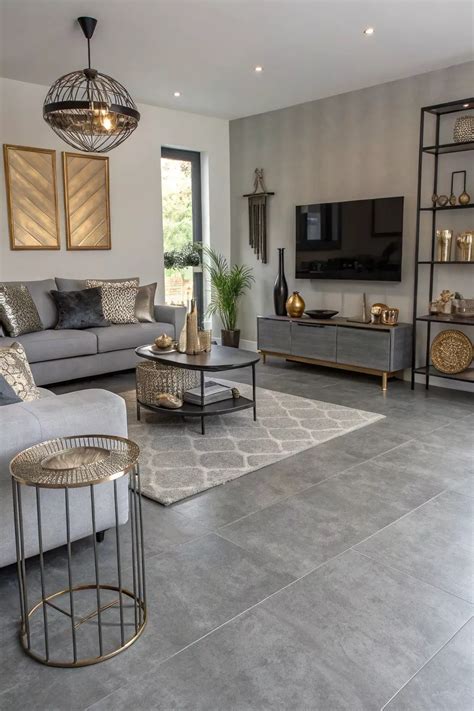
Large-format porcelain and ceramic tiles, such as 24×24 inches or even larger slabs, remain a dominant trend in modern American homes. These expansive tiles minimize grout lines, creating a seamless, uninterrupted expanse that makes open-concept living rooms feel even more expansive and airy. They are especially popular in suburban split-levels and modern urban apartments alike, providing a clean architectural backdrop that lets statement furniture take center stage.
For homeowners looking to add personality rather than a sleek minimalist look, alternative patterns offer incredible visual interest. Wood-look gray ceramic planks arranged in a classic herringbone pattern combine the rustic warmth of hardwood grain with the durability of tile. This layout works particularly well in transitional or modern farmhouse living rooms, offering a durable alternative to natural timber in homes with heavy foot traffic, pets, or active children.
Practical Considerations: Radiant Heating, Durability, and Climate
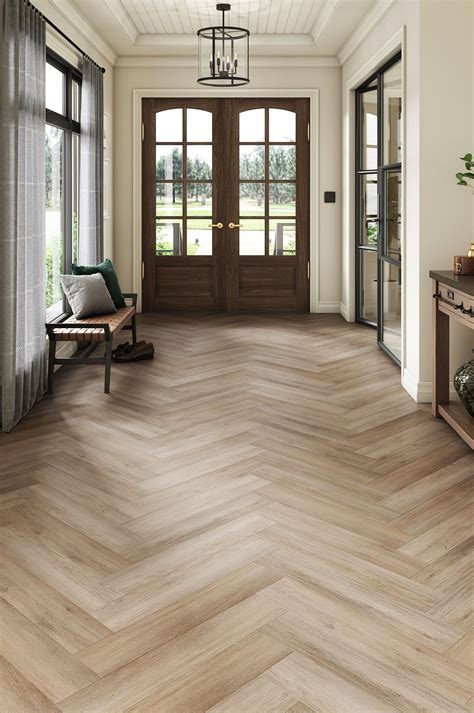
One of the most common hesitations regarding tile living rooms in the U.S. is thermal comfort during colder months. Fortunately, tile is an exceptional conductor of heat, making it an ideal pairing for hydronic or electric radiant floor heating systems. Installing heating mats beneath gray porcelain or stone tiles transforms a potentially cold surface into a luxurious, comfortable feature that elevates the daily living experience during winter freezes.
Durability and safety are equally critical factors for high-traffic family rooms. When shopping for living room floor tiles, always check the Porcelain Enamel Institute (PEI) rating and the Coefficient of Friction (COF) to ensure adequate slip resistance, especially if your living room opens directly to an outdoor patio or entryway. Porcelain tiles with a matte or textured finish provide better traction and hide dust and footprints much better than high-gloss alternatives, reducing daily maintenance demands.
Styling Your Gray-Tiled Living Room: Ensuring Warmth and Comfort
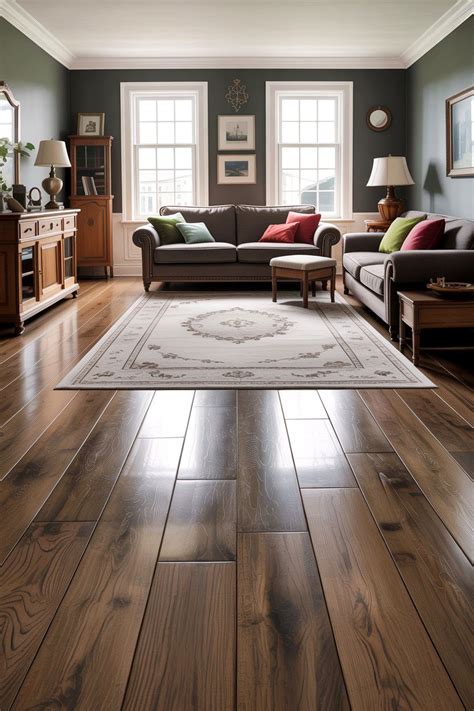
Because gray is inherently cool and sophisticated, successful styling relies on introducing contrasting textures and warm materials to prevent the room from feeling sterile. Incorporating plush, oversized area rugs over your gray tile instantly defines seating zones while providing soft cushioning underfoot. Natural wood coffee tables, woven rattan accents, and leather armchairs introduce organic warmth that balances the industrial nature of tile flooring.
Layered lighting is another vital component for living rooms with tile surfaces. Because tile can reflect light, combining overhead dimmable fixtures with floor lamps, table lamps, and warm LED accent lighting creates a cozy ambiance in the evening. Soft textiles like heavy drapery, linen throw pillows, and textured woolen throws complete the space, ensuring your modern gray tile living room feels grounded, stylish, and deeply inviting.
Frequently Asked Questions
Are gray tiles too cold for a cozy U.S. living room?
Not necessarily. While gray is a cool neutral, you can easily create a cozy atmosphere by choosing warm greige tones, installing radiant floor heating beneath the tiles, layering thick area rugs, and introducing warm wood or leather furnishings.
What tile size is best for an open-concept living room?
Large-format tiles, such as 24×24 inches or larger rectangular formats, are currently trending because they reduce grout lines and create a clean, expansive look that enhances open-concept floor plans.
Can renters use gray tiles in a living room?
Permanent tile installation is usually reserved for homeowners. However, renters can achieve a similar aesthetic using renter-friendly peel-and-stick floor tiles or by layering large, stylish area rugs to cover outdated flooring.
How do I maintain gray tile floors in a high-traffic home?
Matte-finish porcelain and ceramic gray tiles are excellent for high-traffic areas because they conceal dust and footprints well. Regular sweeping and damp mopping with a pH-neutral cleaner keep them looking pristine without demanding excessive effort.