When modern interior design meets unconventional materials, surprising possibilities emerge for budget-conscious decorators. Renters and homeowners alike constantly search for ways to divide expansive open-concept layouts, create private reading nooks, or stage distinct functional zones without undertaking expensive permanent renovations. Enter the concept of utilizing large-scale modular pieces, including the intriguing architectural footprint of a 3 room inflatable structure. While traditionally associated with outdoor recreation or temporary exhibitions, these self-supporting modules offer a fascinating, low-cost canvas for creative indoor spatial styling.
Approaching unconventional home decor requires balancing aesthetic ambition with practical spatial constraints. Inflatables introduce soft architectural lines, organic curves, and dramatic volume into standard rectangular rooms that often lack structural variety. For individuals renting a modern loft or an urban studio apartment, adding temporary soft structures provides a way to alter room proportions without violating lease agreements, hammering drywall, or investing heavily in custom built-ins that cannot travel to a future home.
Understanding the 3 Room Inflatable as a Design Element
A 3 room inflatable structure typically consists of interconnected pneumatic chambers that form three distinct, enclosed or semi-enclosed spatial compartments when fully pressurized. In an interior design context, this layout acts as a modular partition system. Instead of viewing the structure merely as novelty camping gear, creative stylists view it as a sculptural backdrop capable of diffusing ambient light, absorbing sound, and establishing immediate separation in otherwise chaotic multi-purpose rooms.
The primary appeal of incorporating such a structure indoors lies in its ephemeral nature. It can be inflated when you need a defined breakout zone, a private creative studio corner, or an atmospheric lounge area, and subsequently deflated and stored away when floor space is required for hosting larger gatherings. This flexibility appeals strongly to minimalists, remote workers needing quiet zones, and urban dwellers maximizing every square foot of their living quarters.
Budget-Friendly Spatial Zoning for Open-Concept Layouts
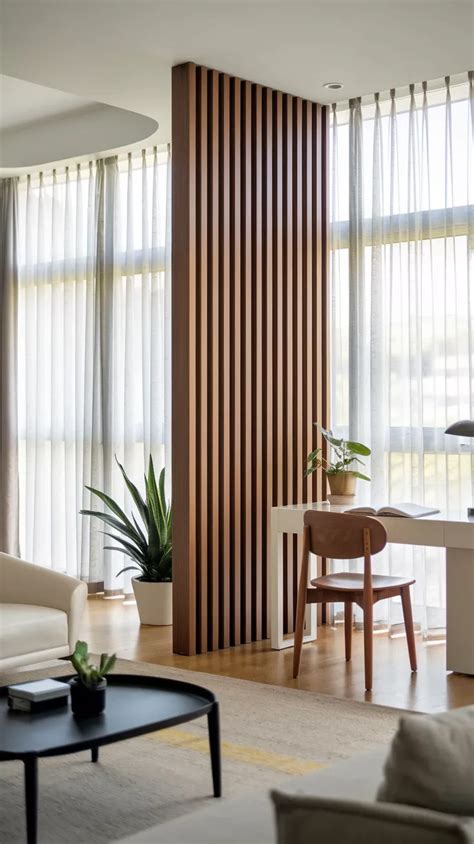
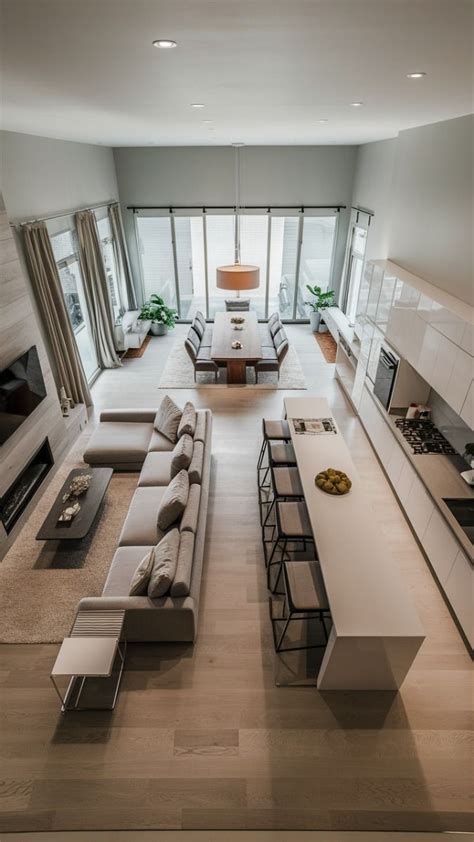
Open-concept living offers wonderful light and airy sightlines, but it frequently creates decorating challenges regarding privacy, noise control, and functional definition. Traditional room dividers, folding screens, and custom bookcases can quickly drain a decorating budget. A modular inflatable alternative provides a massive visual boundary for a fraction of the cost, instantly carving an open room into distinct functional zones such as a workspace, a lounge, and a reading sanctuary.
When positioning a multi-chamber inflatable in a large room, consider the existing traffic flow and natural light sources. Placing the structure so that it catches natural window light can create a glowing, lantern-like ambiance during daytime hours. By pairing the inflatable boundary with affordable ambient lighting, such as warm LED floor lamps or paper lanterns placed nearby, you amplify the soft, sculptural qualities of the material without committing to permanent electrical modifications.
Styling Techniques and Aesthetic Integration
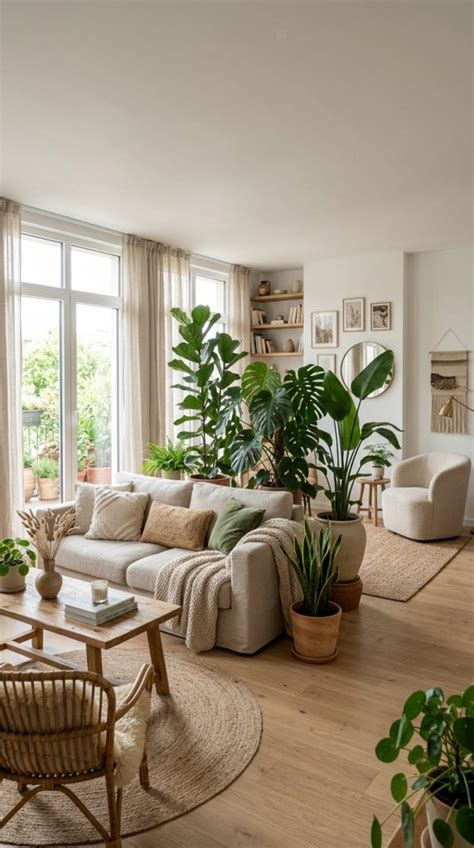
Integrating a non-traditional inflatable piece into a cohesive interior design scheme requires careful attention to texture and color balancing. Because pneumatic materials often feature a smooth, synthetic finish, they contrast sharply with traditional home furnishings like woven jute rugs, chunky knit throw blankets, and natural wood furniture. This juxtaposition can be leveraged intentionally to create a contemporary, high-low design aesthetic that feels both curated and unexpected.
To anchor the structure within your broader decor theme, surround it with grounding elements that soften its visual presence. Layering floor cushions, placing tall indoor plants nearby, and using neutral-toned textiles will bridge the gap between industrial utility and cozy domestic comfort. Avoid overcrowding the immediate vicinity; giving the inflatable room some breathing room ensures it reads as a deliberate architectural statement rather than an oversized piece of misplaced clutter.
Practical Considerations for Renters and Homeowners
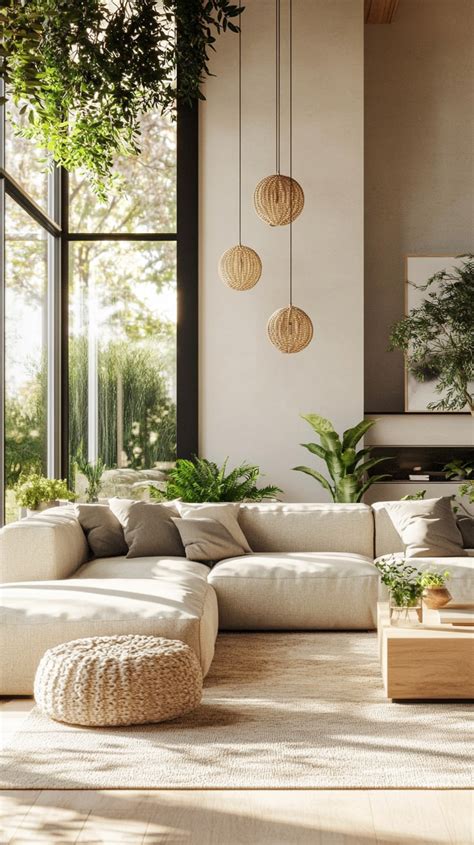
Before introducing any large inflatable element into your home environment, evaluating a few fundamental practicalities is essential. First, measure your ceiling height and floor area precisely to ensure the inflated dimensions leave comfortable clearance for ventilation and walking paths. Acoustic considerations also matter, as smooth synthetic walls can alter how sound travels within a room, sometimes creating echo effects that require soft furnishings like area rugs to balance.
Durability, pet safety, and maintenance require honest assessment. Households with active cats or dogs with sharp claws must take precautions, as punctures are a primary risk for inflatable materials. Additionally, ensure the continuous or intermittent air pump used to maintain pressure operates quietly enough not to disrupt daily peace. Weighing these maintenance factors against the low initial investment cost helps determine whether a modular inflatable approach aligns with your lifestyle and decor goals.
Frequently Asked Questions
What exactly is a 3 room inflatable used for in home decor?
In interior styling, a 3 room inflatable serves as a large-scale, modular partition system. It helps divide open-concept spaces, create temporary private zones, introduce soft architectural curves, and add dramatic volume to a room without permanent construction.
Can renters use an inflatable structure without violating their lease?
Yes, inflatable structures are entirely non-permanent and require no drilling, hanging, or structural alterations to walls and floors. They can be fully deflated, packed away, and removed without leaving a trace when moving out.
How do you style an inflatable structure so it doesn’t look out of place?
You can soften the synthetic look of an inflatable by pairing it with organic textures like jute rugs, house plants, knit blankets, and warm ambient lighting. This creates a balanced, modern contrast rather than feeling like a novelty item.
What are the main drawbacks of using inflatable decor?
Potential drawbacks include the risk of punctures from pets, the noise of inflation pumps, and the need for adequate floor space and ceiling clearance. It requires careful planning regarding traffic flow and room acoustics.