When planning a major living room refresh, few investments alter both the functionality and atmosphere of the space quite like seating. Upgrading to a 3-piece manual leather recliner couch set brings an immediate sense of tailored luxury combined with casual, everyday utility. Whether you are accommodating a growing household or simply looking for the ultimate movie-night setup, balancing bulky furniture with sophisticated interior design requires careful planning. This guide explores how to evaluate, position, and style a multi-piece leather reclining suite without overwhelming your room’s visual footprint.
Evaluating the Practicality of a 3-Piece Manual Recliner Set
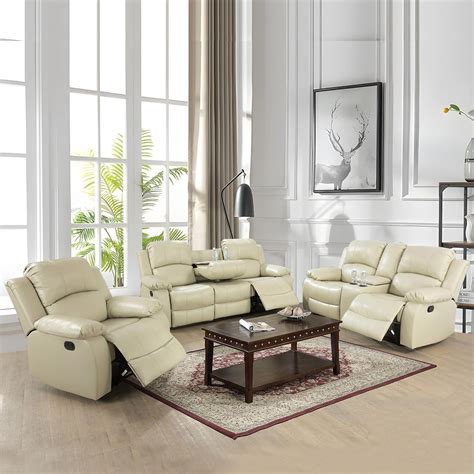
A typical 3-piece reclining set usually includes a full-sized sofa, a loveseat, and an individual armchair, or variations featuring multiple built-in reclining mechanisms. Opting for a manual mechanism rather than a motorized alternative introduces distinct mechanical and aesthetic trade-offs. Manual recliners rely on a pull-tab or body-pressure release, which eliminates the need to position your furniture near electrical floor outlets or manage visible power cords. This simplicity often translates to long-term mechanical reliability, as there are no internal motors or electronic switches prone to electrical wear over time.
However, the tactile experience of leather upholstery requires thoughtful consideration regarding your household climate and lifestyle. High-grade genuine leather develops a rich, supple patina and breathes relatively well, whereas bonded or faux leather variants offer budget-friendly accessibility with smoother, uniform finishes. When evaluating your daily routine, consider how the furniture handles heavy daily use, pet claws, and seasonal temperature shifts. Leather naturally adapts to room temperature, but pairing it with complementary textiles ensures comfort during both warm summer afternoons and chilly winter evenings.
Spatial Planning and Layout Strategies for Multi-Piece Seating
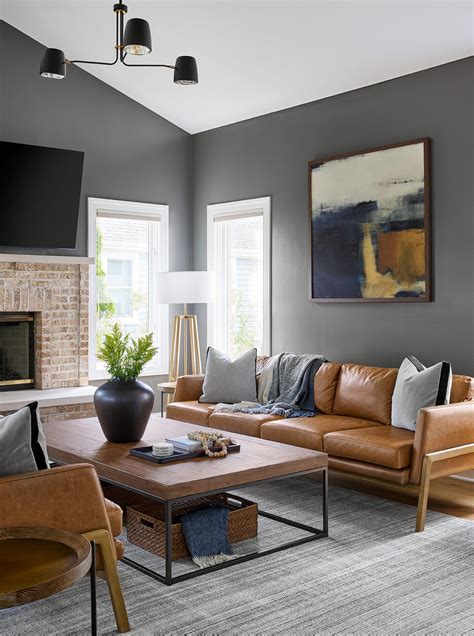
Integrating three separate large furniture pieces into a standard living area demands strategic layout planning to prevent the room from feeling constricted. The most common pitfall is pushing every seating element directly against the perimeter walls, which can inadvertently create an echoing, cavernous center. Instead, pulling the sofa and loveseat slightly inward—leaving a few inches of breathing room behind the frames—helps create a more intimate conversation area while still allowing clearance for the footrests to extend fully.
Before purchasing or arranging your set, always measure the dynamic footprint rather than just the static dimensions. A manual recliner requires extra clearance behind the backrest and in front of the footrest when fully engaged. If your room is on the compact side, consider breaking up the set by placing the armchair in a cozy reading corner with a floor lamp, leaving the main sofa and loveseat to anchor the primary conversation zone. This preserves open pathways and maintains a natural flow of movement throughout your home.
Styling and Softening a Leather Living Room Suite
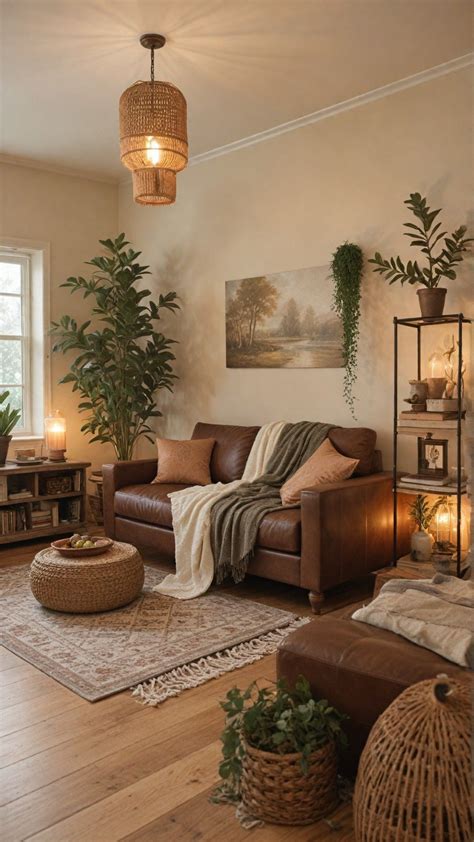
Leather furniture naturally commands attention with its sleek sheen and substantial presence, which can sometimes risk making a room feel overly stark or masculine if left unstyled. To achieve a balanced, inviting aesthetic, you can layer contrasting textures that soften the firm lines of the frames. Introduce chunky knit throw blankets, woven cotton cushions, or faux-fur accents across the backrests. These textiles add tactile warmth and break up large expanses of solid leather color, making the seating arrangement feel approachable and curated.
Grounding the entire seating group with the right foundation rug is another effective design strategy. Avoid small rugs that sit entirely beneath the coffee table; instead, choose an area rug large enough for the front legs of the sofa and loveseat to rest upon. This unifies the 3-piece set into a cohesive island within the room. Pair your layout with a warm wooden or travertine coffee table to introduce organic elements that contrast nicely against the smooth texture of the leather upholstery.
Long-Term Care and Maintenance for Leather Recliners
Maintaining the pristine appearance of a leather reclining set involves a consistent routine of dusting, conditioning, and mechanical upkeep. Dust and microscopic debris can settle into the natural creases and mechanical hinges of manual recliners, eventually causing premature wear on the upholstery seams. Weekly wiping with a soft, dry microfiber cloth removes surface dust, while a damp cloth with mild soap can address minor smudges without stripping the protective finish of the leather.
It is also wise to periodically inspect the manual reclining latches, springs, and track mechanisms underneath the furniture. Applying a safe silicone-based lubricant to moving metal joints prevents squeaking and ensures smooth operation over years of regular use. Applying a specialized leather conditioner every six to twelve months keeps the material supple, preventing the cracking and stiffness that can occur in drier indoor climates or under direct sunlight exposure.
Frequently Asked Questions
Will a 3-piece manual leather recliner set fit in a standard living room?
Yes, a 3-piece set can fit comfortably in a standard living room, provided you measure both the static footprint and the dynamic clearance required when the footrests and backrests are fully extended. For smaller rooms, breaking up the configuration by placing the armchair in a separate corner helps maintain open walking paths.
What are the main advantages of manual recliners over power recliners?
Manual recliners do not require electrical cords or proximity to wall outlets, giving you greater flexibility in room placement. They are also generally simpler to repair since they lack complex electronic motors, switches, and power supplies.
How can I keep my leather couch set from feeling too cold or stiff?
You can easily warm up the aesthetic and tactile feel of leather furniture by layering plush accessories. Adding textured knit throw blankets, soft accent pillows, and placing the entire grouping over a large, patterned area rug creates a cozy, balanced atmosphere.
What is the best way to clean everyday dust and spills on leather?
For routine maintenance, wipe the surface weekly with a dry microfiber cloth. For accidental spills, blot the liquid immediately with a clean, absorbent cloth rather than rubbing, and use a mild, pH-balanced leather cleaner if necessary to avoid damaging the finish.


