Choosing a new sofa is one of the most significant investment decisions you will make for your home. In American living spaces—which range from compact urban apartments in Chicago and New York to sprawling suburban family rooms in Texas and Ohio—the ideal couch must strike a delicate balance between scale, structural durability, and daily comfort. Selecting the wrong piece can instantly make a room feel cramped or leave you with sagging cushions within a couple of years. A thoughtful purchasing approach starts long before you browse showroom floors or online catalogs.
To find a couch that serves your household well, you need to analyze how your family actually uses the space. Do you host large movie nights, curl up with pets, or maintain a formal sitting room for occasional guests? By aligning your architectural layout, logistical access points, and lifestyle demands with the right furniture specifications, you can secure a centerpiece that anchors your living area beautifully for years to come.
Assessing Living Space Size and Architectural Layout Constraints
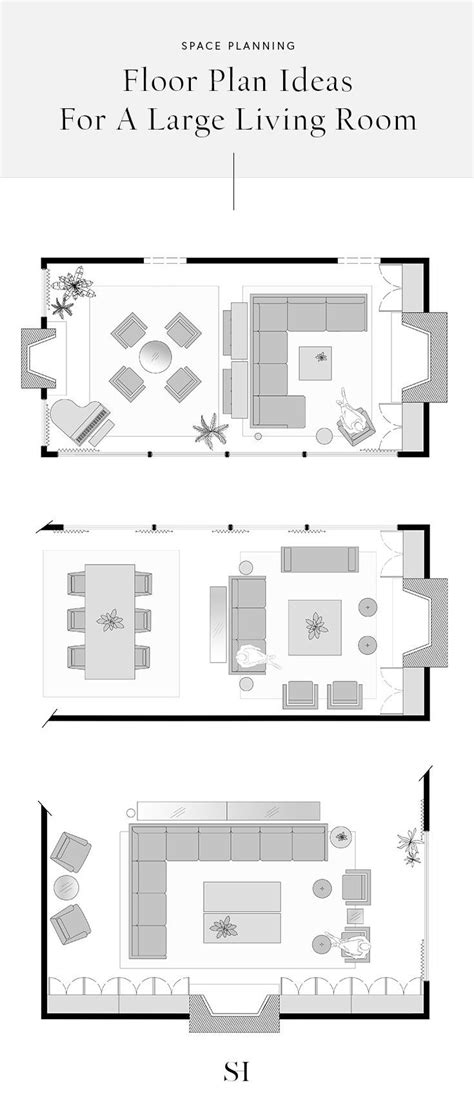
Before falling in love with a specific upholstery color or arm style, evaluate the physical dimensions of your living room. Standard three-seater sofas in the United States typically range from 84 to 90 inches in length, with depths stretching between 35 and 40 inches. However, a sofa that looks appropriately proportioned in a massive open-concept suburban great room can easily overwhelm a standard apartment living room. Mapping out your floor space using painter’s tape on the floor provides a realistic visual boundary of how much walking space and surrounding furniture clearance you will actually retain.
Traffic flow is another critical consideration in American floor plans. You should aim to leave at least 30 to 36 inches of clear walking path around your primary seating areas to prevent the room from feeling blocked. Furthermore, consider the focal point of your room—whether it is a fireplace, a television media console, or a large picture window. Orienting your sofa to honor this focal point while maintaining conversational proximity to accent chairs creates a balanced, inviting layout for both everyday relaxation and entertaining guests.
Navigating Delivery Logistics: Measuring Doorways, Hallways, and Stairwells
One of the most common pitfalls when buying a sofa in the United States is failing to account for delivery clearances. Even if a couch fits comfortably inside your living room, it must first successfully navigate your home’s entry points. Standard American exterior doors are typically 36 inches wide, but interior doors, tight apartment building elevators, narrow stairwells, and sharp hallway turns can drastically reduce your clearance. Always measure the diagonal depth of your doorways and compare them against the height and depth of the sofa.
When measuring your home for a new couch, start by noting the height and width of your main entryway and any interior doorways the delivery team must traverse. If you live in a multi-story home or an apartment building with tight corners, measure the width of the hallway and the turning radius at the landing of the stairs. Many modern sofas feature removable legs, which can shave crucial inches off the overall height to help the frame squeeze through a tight vertical clearance. If accessibility is severely restricted, look for modular sectional options or sofas shipped in knockdown components that assemble inside the room.
Matching Sofa Configurations to Your Lifestyle and Household Needs

Your household dynamics dictate which sofa configuration will serve you best. For high-traffic family rooms with children and pets, a sectional sofa offers expansive seating and encourages lounging, but it can permanently lock you into a specific corner configuration. Conversely, a traditional three-seater sofa paired with a matching loveseat or movable armchairs offers much greater layout flexibility if you frequently like to rearrange your furniture or move to a new home in the future.
Small-space living requires strategic compromises. In tight urban apartments or bonus rooms, loveseats or apartment-sized sofas—usually measuring between 60 and 74 inches wide—provide adequate seating without swallowing the room. If you frequently host out-of-town guests without a dedicated guest room, a high-end sleeper sofa or a deep daybed-style couch serves a dual purpose. Evaluate how often you realistically host overnight visitors versus how many people sit on the couch concurrently on a typical Tuesday evening before committing to a specialized configuration.
Evaluating Structural Quality: Frames, Suspension, and Cushion Fill
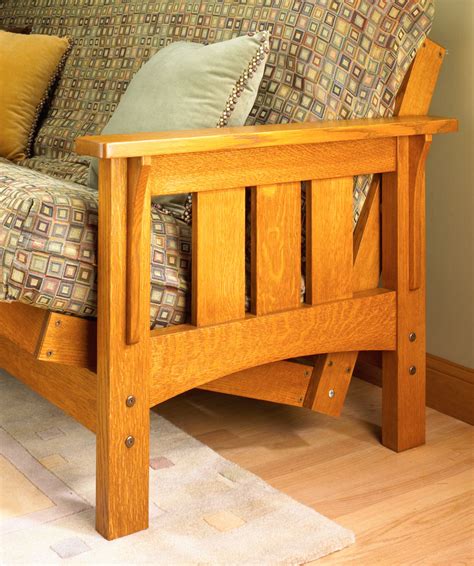
A sofa’s aesthetic appeal is only skin-deep; its longevity depends entirely on what lies beneath the upholstery. When shopping for durable furniture, always inspect the frame construction. Kiln-dried hardwood frames—such as oak, ash, or beech—prevent warping and cracking over time. Avoid frames constructed from particle board or soft pine joined primarily with staples and glue, as these materials frequently develop squeaks and structural wobbles under normal everyday use.
Suspension systems and cushion fillings dictate how supportive your couch will feel over years of use. High-end sofas often feature eight-way hand-tied springs or high-grade sinuous wire springs that distribute weight evenly and prevent sagging. For cushions, high-resilience polyurethane foam wrapped in down-proof ticking or feather-and-fiber blends offers a plush sit that bounces back reliably. While pure foam cushions require minimal maintenance and hold a crisp shape, down-blend cushions provide a luxurious, sink-in feel that demands occasional fluffing to maintain its tailored appearance.
Choosing Durable and Functional Fabrics for Real Life
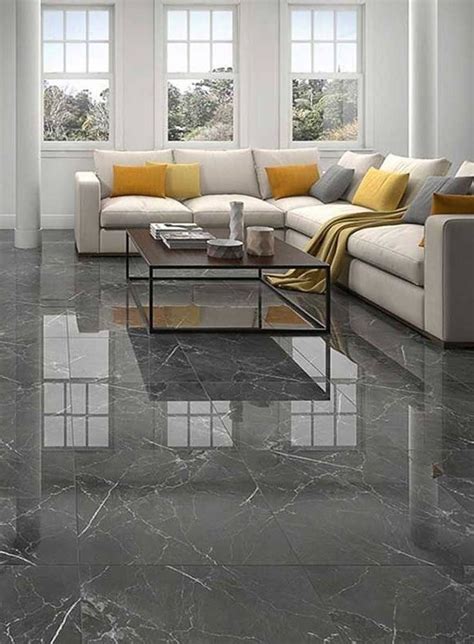
Fabric selection can make or break your sofa ownership experience, particularly if you share your home with children, cats, or dogs. Performance fabrics—such as stain-resistant treated linens, tightly woven polyester blends, and commercial-grade velvets—are engineered to repel liquids and resist snagging from claws. Leather is another classic American favorite that ages gracefully and wipes clean easily, though it requires regular conditioning and can scratch if pets decide to climb on it repeatedly.
Consider the color and texture of your upholstery in the context of your home’s natural lighting and daily wear patterns. Light-colored ivories and pale grays look undeniably airy and modern, but they demand rigorous cleaning routines in busy households. Textured tweeds, heathered grays, and medium-toned earth colors do an exceptional job of camouflaging everyday lint, pet hair, and minor dust until you have time for routine vacuuming. Always request fabric swatches from retailers and test them under your home’s specific lighting conditions before placing a final order.
Frequently Asked Questions
What is the standard size of a sofa for an American living room?
A standard three-seater sofa in the US is typically between 84 and 90 inches long, roughly 35 to 40 inches deep, and 30 to 35 inches high. Apartment-sized sofas are scaled down to around 60 to 74 inches in length to fit compact spaces.
How do I know if a couch will fit through my front door?
Measure the diagonal depth of your front door frame and compare it to the depth and height of the sofa. You should also measure interior hallways, stairwell turns, and ceiling clearances along the entire delivery path to ensure the frame can pass through without getting stuck.
Which sofa fabrics are best for homes with pets and kids?
Performance fabrics like Crypton, Sunbrella indoor options, tightly woven synthetic microfibers, and genuine or faux leather are top choices. They resist moisture, make spot-cleaning straightforward, and withstand heavy daily friction without tearing or showing premature wear.
What is the difference between sinuous springs and eight-way hand-tied suspension?
Sinuous springs consist of S-shaped steel wires running from front to back, offering reliable, cost-effective support. Eight-way hand-tied springs involve master artisans tying coil springs together with heavy cord in multiple directions, creating superior weight distribution, long-term durability, and a premium sit.