Furnishing a living room often feels like an expensive undertaking, especially when you factor in the rising costs of quality sofas, coffee tables, and accent chairs. However, creating a space that feels curated, comfortable, and visually expensive does not require draining your savings account. By applying smart spatial planning and a high-low design philosophy, you can easily blend budget-friendly foundational pieces with thoughtful decorative layers to achieve a high-end look.
Success when shopping for budget living room furniture relies heavily on knowing where to compromise and where to invest. Rather than purchasing an entire matching showroom set, which can often look flat and uninspired, a piecemeal approach allows you to build character over time. Understanding material honesty, structural durability, and visual balance will guide you toward affordable finds that stand the test of time rather than falling apart after a single season.
Prioritizing Anchor Pieces Wisely
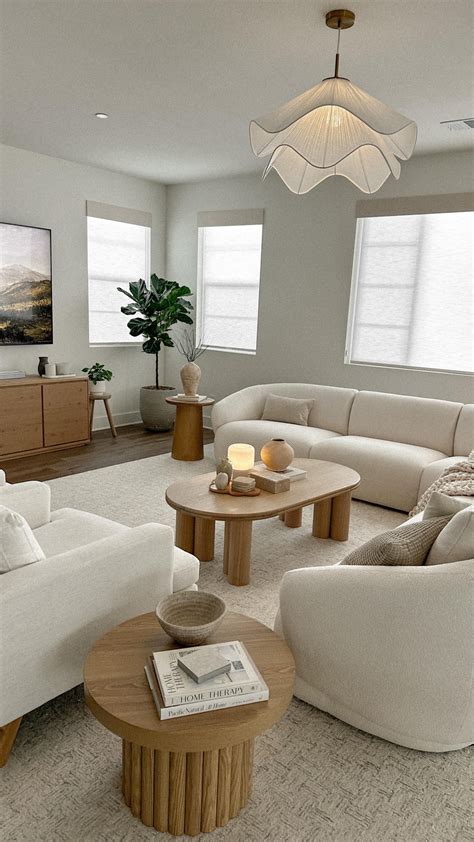
When working with a strict financial limit, the temptation to buy every small piece of furniture first can derail your entire budget. Instead, focus your funds on the primary anchor pieces that dictate the room’s function and visual weight. The sofa is almost always the most important investment in a living room, so look for clean lines, neutral upholstery fabrics like textured linen or performance weaves, and a sturdy kiln-dried wood frame if possible.
Instead of stretching your budget to buy matching armchairs and a costly entertainment center right away, choose one budget-friendly secondary anchor, such as a solid wood coffee table or a modular shelving unit. By anchoring the room with a few foundational elements that look substantial, you create an immediate sense of permanence. Lighter or less expensive accent pieces can then be layered in gradually without making the overall space feel cheap or cluttered.
Mastering the High-Low Design Strategy
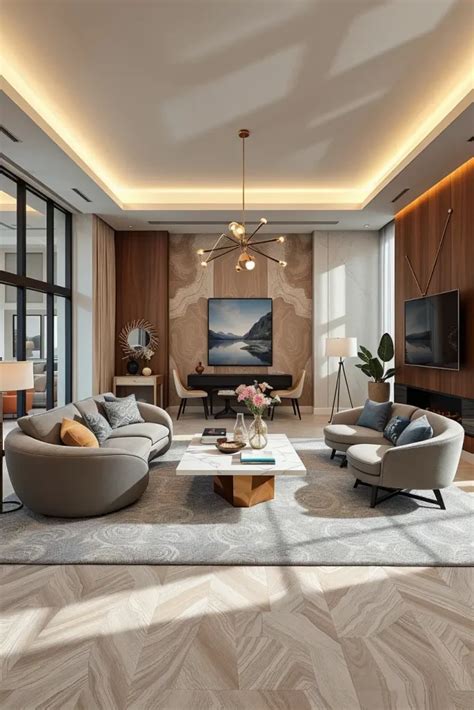
Interior designers frequently rely on the high-low mixing strategy to keep rooms visually dynamic while managing overall costs. This approach involves spending a slightly larger portion of your budget on one standout piece—such as a sleek, well-crafted media console or a statement lounge chair—and pairing it with budget-friendly companion pieces. For instance, a moderately priced, neutral upholstered sofa can easily look elevated when flanked by inexpensive accent tables and DIY artwork.
Another effective aspect of high-low design is investing in textiles and lighting rather than heavy case goods. A room featuring affordable, minimalist furniture can instantly be elevated by a high-texture wool rug, linen drapery panels, or a striking architectural floor lamp. Because textiles and lighting command significant visual real estate, upgrading these elements draws the eye away from mass-produced or budget-friendly furniture frames.
Smart Sourcing: Where to Find Quality Budget Furniture in the US
Navigating the vast landscape of US furniture retailers requires a discerning eye for construction details and return policies. Online marketplaces, direct-to-consumer brands, and liquidation outlets offer remarkable bargains, but you must read product specifications carefully. Look for details regarding weight limits, wood types, and cushion density rather than relying solely on professional photography. Flat-pack furniture has also evolved significantly, offering surprisingly robust options if you take your time during assembly and reinforce joints with wood glue where appropriate.
Local thrift stores, estate sales, and online resale platforms are also goldmines for solid-wood furniture that only requires minor cosmetic updates. Vintage dressers make fantastic media consoles, and solid wood side tables can be sanded and restained to match your modern aesthetic. Blending vintage character with affordable contemporary pieces gives a living room an eclectic, lived-in feel that brand-new budget sets often lack entirely.
Simple Styling Tricks to Make Budget Furniture Look Expensive
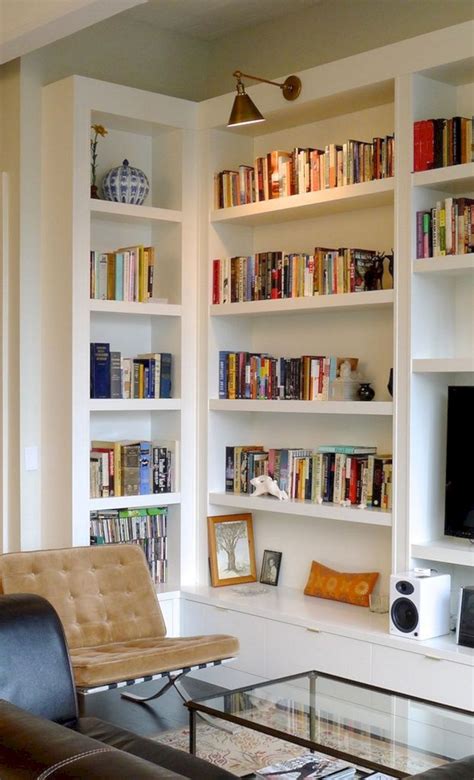
Even the most affordable furniture pieces can look bespoke with the right styling modifications. One of the easiest transformations involves swapping out standard hardware on budget media consoles or side tables. Replacing generic wooden knobs or shiny brass pulls with matte black, brushed nickel, or aged bronze hardware immediately upgrades the perceived value of the piece.
Additionally, pay close attention to scale and negative space. Overcrowding a small apartment living room with too many oversized budget items makes the space feel cramped and chaotic. Keep surfaces relatively uncluttered by editing down decor accessories, opting for a few large-scale statement objects rather than dozens of small trinkets. Layering throws and cushions with contrasting textures, such as bouclé, leather, and woven cotton, introduces warmth and sophistication that bridges the gap between inexpensive furniture and high-end interior design.
Frequently Asked Questions
Where can I buy affordable living room furniture online in the US?
Reliable online options for budget-friendly furniture include retailers known for flat-pack designs like IKEA, as well as digital marketplaces like Wayfair, Target, and Overstock. For unique or slightly used pieces, platforms like Facebook Marketplace, AptDeco, and Chairish offer incredible value if you live near a major metropolitan area.
How can I make cheap furniture look high-end?
You can elevate inexpensive furniture by swapping out standard hardware, styling surfaces with minimalist decor, and pairing budget items with high-end textiles like heavy linen curtains or wool rugs. Adding statement lighting nearby also draws attention away from the furniture’s price point.
Which living room pieces should I spend more on?
It is generally best to invest the largest share of your budget into your sofa, as it experiences heavy daily wear and dictates the comfort level of the room. A durable frame and high-density foam cushions will outlast cheaper alternatives by many years.
How do I make a small living room look cohesive on a tight budget?
Stick to a tight, harmonious color palette of two or three neutral base colors, accented by a single cohesive accent color. Maintain consistent wood tones or mix them intentionally, and ensure your layout leaves plenty of negative space to keep the room feeling open and bright.


