Finding the ideal balance between everyday aesthetic appeal and effortless home maintenance is one of the greatest challenges in modern interior design. Traditional floor coverings often demand expensive professional cleaning or constant anxiety over accidental spills, especially in bustling households with children and pets. This is where modern textile innovations, such as Ophanie washable area rugs, offer a refreshing alternative. By merging soft textures with machine-washable practicality, these rugs allow homeowners to enjoy sophisticated room styling without sacrificing peace of mind.
Updating your floors acts as a foundational element for room design, anchoring furniture groupings and establishing the overall color palette. Whether you are aiming to warm up hardwood floors in a spacious living room or introduce a plush layer underfoot in a serene bedroom retreat, selecting the right rug changes how a space feels and functions. Exploring how these specific washable textiles integrate into daily life helps ensure your decorating choices look stunning while remaining remarkably easy to maintain over the years.
The Practical Appeal of Washable Area Rugs
The primary advantage of incorporating washable floor coverings into your living space is the freedom they provide from traditional cleaning limitations. Standard high-pile rugs trap dust, pet dander, and everyday dirt deep within their fibers, often requiring specialized vacuums or costly deep-cleaning services to look their best. In contrast, engineered low-pile washable alternatives sit flat against the floor, making routine vacuuming simpler while offering the ultimate convenience of being tossed directly into a standard home washing machine when deeper messes occur.
Beyond convenience, these rugs are specifically engineered to withstand frequent use in high-traffic zones like family rooms, hallways, and open-plan dining areas. The construction typically features durable synthetic fibers that resist fraying and fading, even after multiple washing cycles. For households managing enthusiastic pets or active toddlers, this resilience translates into long-term value, as you no longer need to worry that a spilled cup of coffee or muddy paw prints will permanently ruin your favorite room centerpiece.
Styling Your Living Room with Ophanie Rugs

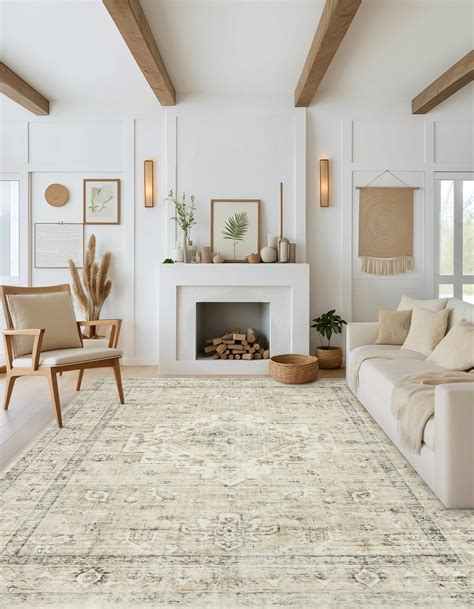
In a living room, an area rug serves as the visual anchor that pulls disparate furniture pieces together into a cohesive seating arrangement. When selecting a rug size for this space, a common mistake is choosing a piece that is too small, which can make the entire room feel disjointed. Ideally, choose a size that allows at least the front legs of your sofa and armchairs to rest comfortably on the rug. This establishes an intentional, designer-approved layout that visually expands the perceived boundaries of the room.
Ophanie designs often feature versatile transitional patterns, subtle distressed motifs, or neutral color palettes that complement various interior styles, from modern minimalist to cozy farmhouse. Pairing a patterned washable rug with solid-colored upholstery creates a balanced, sophisticated aesthetic. Furthermore, the low-pile profile ensures that interior doors glide smoothly over the rug edge and that coffee tables and media consoles remain stable without wobbling on uneven, ultra-thick carpet padding.
Creating a Serene Bedroom Retreat
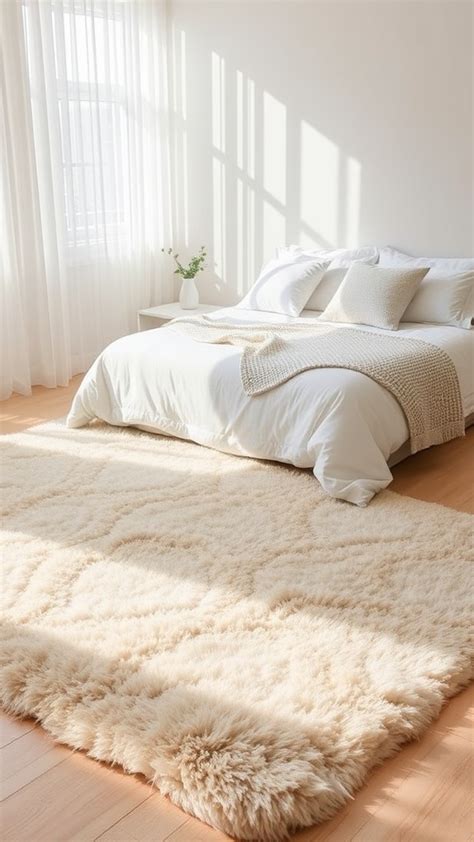
Transitioning from the active energy of the living room to the sanctuary of the bedroom calls for a shift in tactile priorities and spatial layout. Bedroom area rugs should provide a soft, welcoming surface for your bare feet first thing in the morning. Placing a generous rug horizontally underneath the bed—extending out past the foot and sides—creates a symmetrical frame that enhances the feeling of cozy luxury. Alternatively, smaller runners can be positioned neatly on either side of the bed for targeted comfort.
Because bedrooms experience lower foot traffic than living rooms, you can opt for softer, more delicate-looking textures while still benefiting from the easy-care nature of machine-washable materials. Dust and allergens can easily accumulate in traditional bedroom carpets, but being able to periodically machine wash your bedroom rug helps maintain a fresher, cleaner sleeping environment. This proves particularly beneficial for allergy sufferers who want the aesthetic warmth of a textile floor covering without the maintenance burden of wall-to-wall carpeting.
Step-by-Step Maintenance and Care Instructions
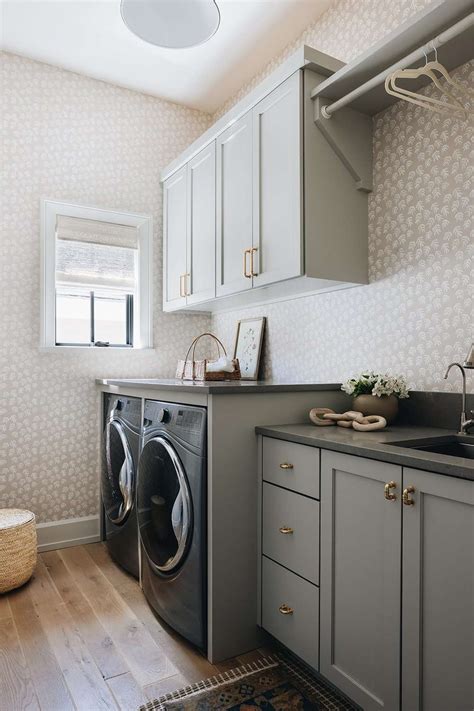
Maintaining the pristine appearance of a washable area rug involves a straightforward routine that preserves both the backing and the top fibers. For regular upkeep, standard vacuuming without a heavy beater bar removes loose surface dust and debris. When a spill or stain happens, blot the area immediately with a clean, dry cloth to absorb excess liquid before treating it with a mild, non-bleach detergent solution.
When it is time for a full wash, roll the rug carefully and place it inside your washing machine according to the manufacturer’s size and weight recommendations. Always use cold water on a gentle cycle with mild detergent, avoiding harsh bleaching agents or fabric softeners that can degrade the non-slip backing. For drying, hanging the rug outside or tumble drying on a low, no-heat setting ensures the fibers remain soft and the backing stays securely intact for its next placement in your home.
Frequently Asked Questions
How do you wash an Ophanie area rug at home?
To wash your rug at home, first shake out any loose debris and vacuum the surface. Place the rug into a standard washing machine, using cold water on a gentle cycle with a mild detergent. Avoid bleach and fabric softeners. Once the cycle finishes, air dry the rug completely by hanging it up or using a low-heat tumble dry setting before placing it back on the floor.
Are washable area rugs durable enough for high-traffic living rooms?
Yes, washable area rugs are specifically engineered for durability in busy areas like living rooms, hallways, and entryways. They feature tightly woven synthetic fibers and reinforced edges that resist fraying, daily foot traffic, and wear from furniture, all while maintaining their soft texture and color vibrancy after repeated washing.
How do you choose the right rug size for a living room versus a bedroom?
In a living room, choose a rug large enough so that at least the front legs of your primary seating furniture rest on it, which unifies the space. In a bedroom, the most popular approach is placing the rug horizontally under the bed so it extends past the bottom and sides, creating a balanced, cozy frame, or using runners on either side of the bed.