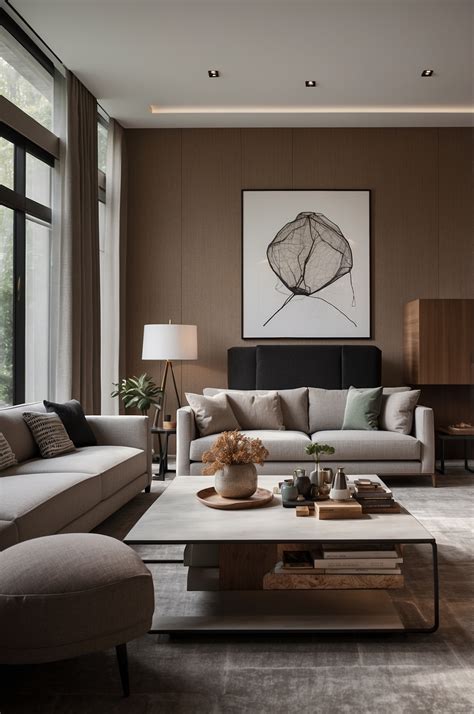
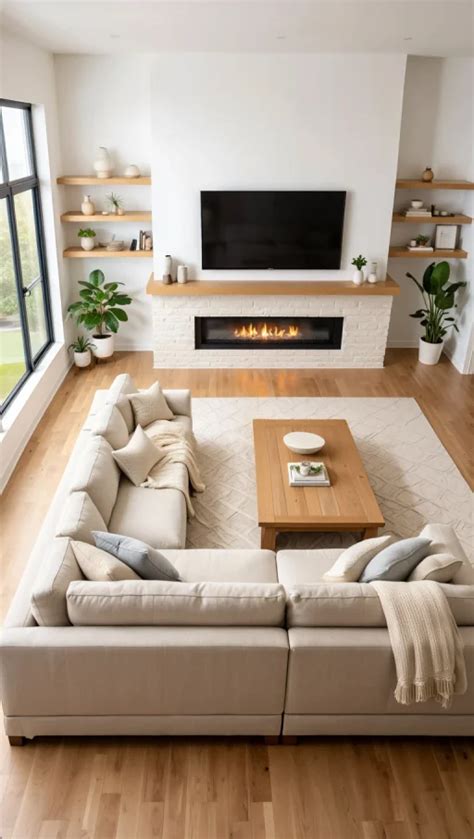
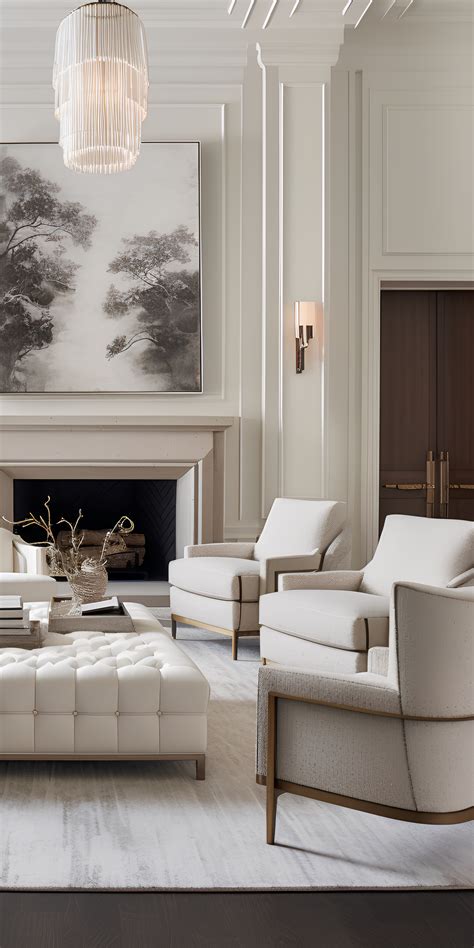
Refreshing a living room does not require a blank check or a complete structural overhaul. Whether you own a suburban house or rent an urban apartment, transforming your central gathering space is entirely possible with a thoughtful approach, strategic planning, and a focus on high-impact cosmetic changes. Many homeowners and renters fall into the trap of thinking meaningful design requires brand-new, expensive furnishings. In reality, some of the most striking transformations rely on clever layout adjustments, a fresh coat of paint, and carefully curated second-hand pieces that bring character to the room.
Navigating a home refresh efficiently means understanding where every dollar counts. In the context of the U.S. housing market, where labor and material costs fluctuate significantly, targeting your spending prevents budget fatigue and ensures long-lasting visual satisfaction. By breaking down your project into manageable phases—focusing on layout, lighting, color, and texture—you can achieve a designer-level aesthetic without straining your finances.
Planning Your Budget and Prioritizing Expenses
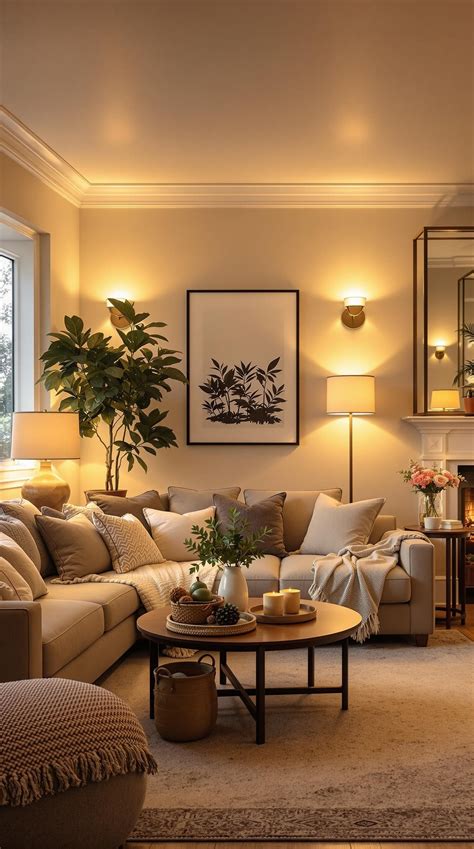
The foundation of any successful low-cost living room remodel is a realistic budget. Before purchasing a single can of paint or browsing online marketplaces, determine your absolute spending limit. Allocate funds by identifying what needs immediate replacement versus what can be repurposed, updated, or simply left alone. For instance, if your sofa is structurally sound but sports an outdated fabric, allocating funds toward professional cleaning or a well-fitted slipcover is vastly more economical than purchasing a brand-new seating arrangement.
When establishing your budget categories, it is helpful to divide your expenses into structural investments, aesthetic enhancements, and temporary styling elements. Homeowners can often justify spending slightly more on permanent fixtures like light fixtures or architectural trim, while renters should focus their limited funds on easily transportable items such as area rugs, lamps, and wall art. Setting aside a ten to fifteen percent contingency fund is also essential to cover unexpected minor expenses, such as specialized fasteners, touch-up supplies, or extra hardware components.
High-Impact, Low-Cost Cosmetic Updates
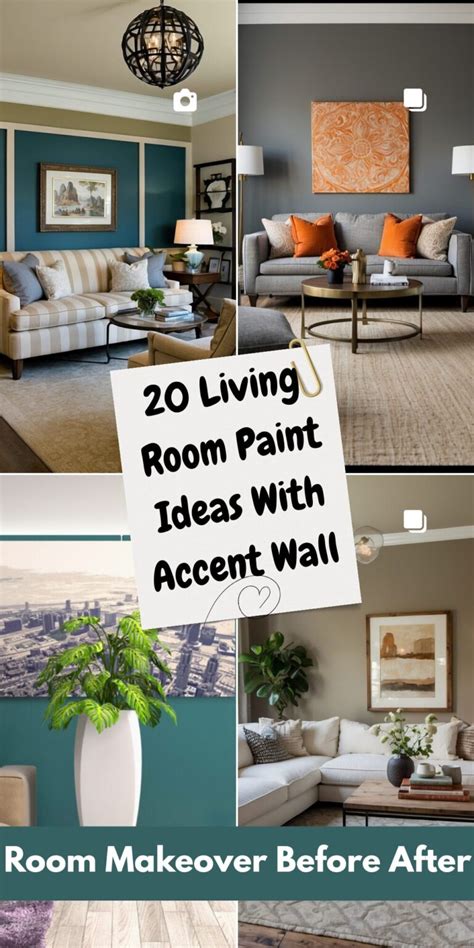
Transforming a room’s atmosphere rarely requires tearing down walls. Instead, focus on high-impact cosmetic updates that drastically change how the space feels. Painting the living room is universally recognized as the single most cost-effective way to revitalize a tired interior. Choosing a warm neutral, a moody accent wall, or a crisp off-white instantly updates the room’s character and provides a clean backdrop for your furniture and textiles.
Beyond paint, lighting plays a transformative role in defining the mood of an American living room. Standard overhead builder-grade dome lights often cast a harsh, unflattering glow. Swapping these out for semi-flush mounts, pendant lights, or simply introducing layered lighting through floor lamps and table lamps changes the entire ambiance. For renters who cannot alter hardwired fixtures, plugging stylish accent lamps into smart plugs or wall timers offers a flexible, cord-managed alternative that elevates the space instantly.
Updating Hardware and Interior Details
Never underestimate the visual impact of small architectural details. Replacing dated cabinet knobs on a media console, changing out standard wall switch plates for modern matte black or brushed brass alternatives, and updating curtain rods can make a surprisingly significant difference. These minor hardware swaps require minimal tools and a very modest financial investment, yet they collectively signal a polished, intentional design narrative.
When selecting new hardware finishes throughout your living room, aim for a cohesive look without feeling overly matchy. Mixing metal finishes can work brilliantly if one dominant metal anchors the space while a secondary metal serves as an accent. Always measure existing screw holes before purchasing replacement cabinet pulls to avoid unnecessary drilling or patching, particularly if you are living in a rental home where wall and furniture modifications must remain minimal.
Sourcing Second-Hand Furniture and Upcycling
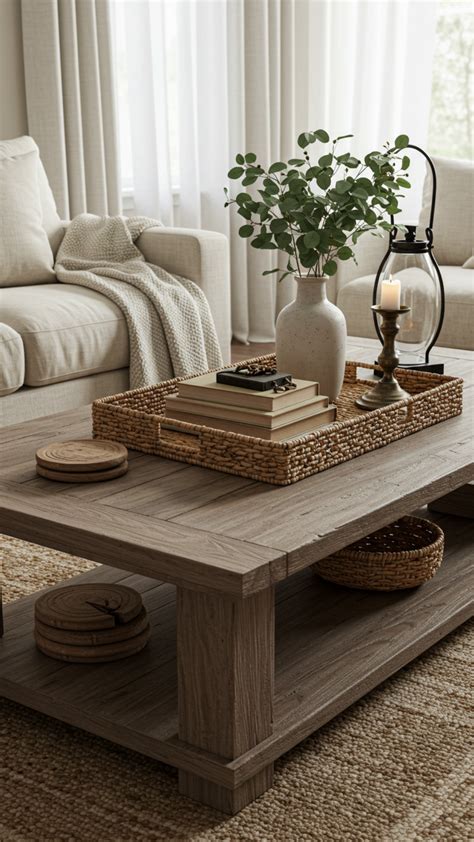
Sourcing furniture second-hand is a cornerstone of budget-conscious interior design. Across the United States, vibrant networks of thrift stores, estate sales, antique malls, and online peer-to-peer marketplaces offer an endless supply of solid wood dressers, accent chairs, and coffee tables that far outlast flat-pack alternatives in terms of durability. Investing time in hunting for vintage pieces not only saves money but infuses your living room with unique personality that mass-produced retail showrooms simply cannot replicate.
Before purchasing second-hand upholstered items like armchairs or sofas, always inspect them thoroughly for structural integrity, signs of wear, and potential odors. Solid hardwood frames are worth rescuing and can be easily reupholstered or tightened. For wooden case goods with minor surface scratches, a simple sanding and application of Danish oil or furniture wax can restore the piece to its original luster. Upcycling allows you to customize finishes to match your exact color palette, creating custom furniture pieces at a fraction of retail cost.
Smart Layout and Styling Tricks
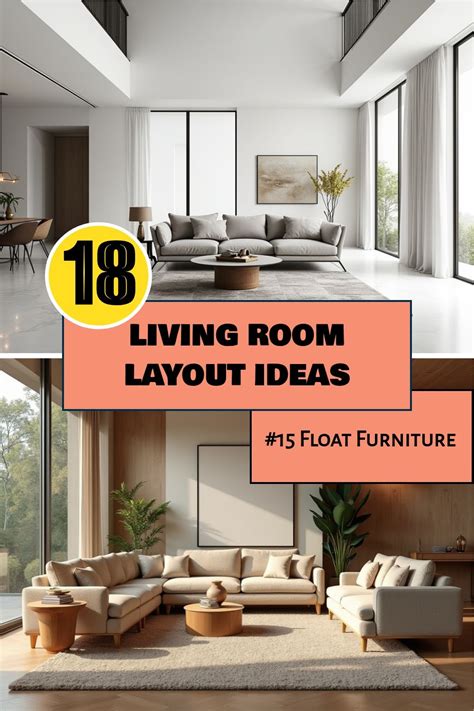
Sometimes the best living room remodel doesn’t cost a single cent; it simply involves rearranging what you already own. Reevaluating your furniture layout can instantly improve traffic flow and make a cramped room feel expansive. Pulling your sofa away from the walls and floating it within the room creates an intimate conversation area, while anchoring the seating group with an appropriately sized area rug defines the functional zone clearly.
Styling shelves, coffee tables, and mantelpieces is another powerful way to refresh your visual landscape without purchasing new large-scale items. Utilize the rule of threes for tabletop styling, combining objects of varying heights, textures, and materials, such as ceramic vases, stacked hardback books, and organic elements like dried botanicals or potted plants. Rotating decor items seasonally keeps your living room feeling dynamic and curated throughout the year without requiring additional shopping trips.
Where to Save Versus Where to Splurge
Balancing a renovation budget successfully requires knowing where you can safely cut corners and where spending extra is justified. You should save on items that serve a purely decorative or transient function, such as seasonal throw pillow covers, lightweight wall art prints, small decorative trays, and trendy accessories. These are items you are likely to swap out as your personal style evolves over the coming years.
Conversely, consider splurging slightly on foundational items that endure daily heavy use and impact your physical comfort. A high-quality, supportive sofa, a sturdy solid-wood coffee table, or exceptionally durable window treatments are worth a higher initial investment because they withstand everyday wear and tear. By protecting your investment on core utilitarian pieces and saving on interchangeable accessories, you maintain both financial prudence and long-term home satisfaction.
Frequently Asked Questions
How can I remodel my living room on a tight budget?
Remodeling on a tight budget relies on prioritizing cosmetic changes over structural renovations. Focus your money on high-impact updates like fresh paint, improved lighting, and rearranging existing furniture. Utilize second-hand marketplaces for core furniture pieces and keep decorative accessories minimal and intentional.
What are the highest-impact, low-cost living room updates?
Painting the walls, upgrading overhead or accent lighting, swapping out cabinet and door hardware, and adding a well-proportioned area rug deliver the most dramatic visual transformation for the lowest financial investment.
What are some renter-friendly ways to update a living room?
Renters can update their living rooms by using peel-and-stick wallpaper accent walls, upgrading plug-in lighting fixtures, using command strips for hanging art, laying down large area rugs to cover unappealing flooring, and investing in modular furniture that moves with you.
Where can I find affordable furniture and decor in the U.S.?
In the United States, affordable furnishings can be found through local estate sales, thrift stores, neighborhood garage sales, Facebook Marketplace, OfferUp, and clearance sections of major home goods retailers.