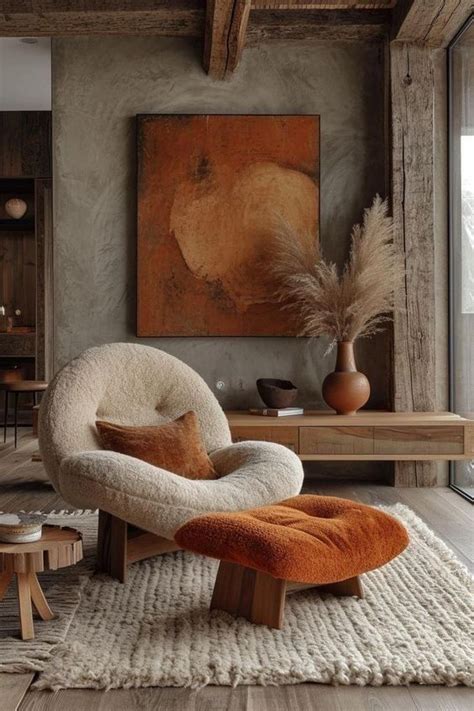
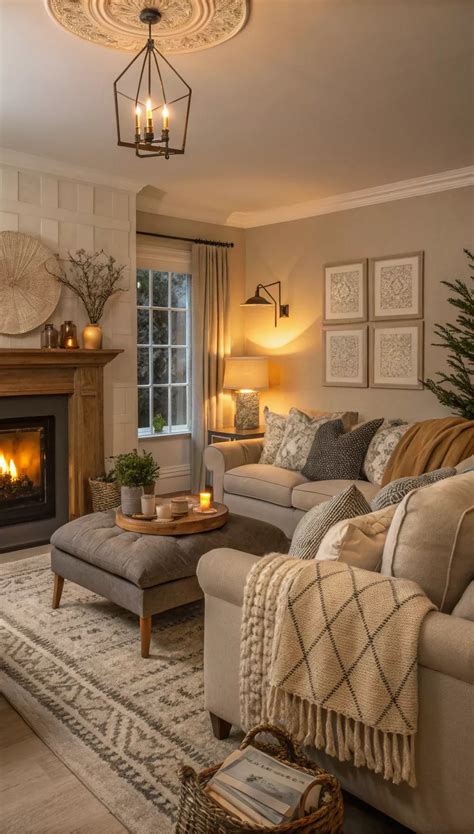
Selecting a new sofa set is one of the most significant design decisions you will make for your home. Beyond serving as the visual anchor of your living room, it acts as the central hub for daily relaxation, family gatherings, and hosting guests. For homeowners and renters across the United States, navigating the vast array of styles, configurations, and materials can quickly become overwhelming. The ideal seating choice must harmonize your personal aesthetic preferences with the very real physical and functional demands of your household.
When evaluating options, it helps to look past showroom styling and consider how your living space actually functions day-to-day. Are you accommodating lively pets, energetic children, or hosting frequent movie nights? Do you live in a compact urban apartment where every square inch matters, or an expansive suburban open-concept floor plan that requires careful zoning? By breaking down the selection process into core categories—such as layout configuration, upholstery durability, and regional design trends—you can narrow down choices with confidence and invest in a piece that stands the test of time.
Matching Popular U.S. Sofa Styles to Your Interior Aesthetic
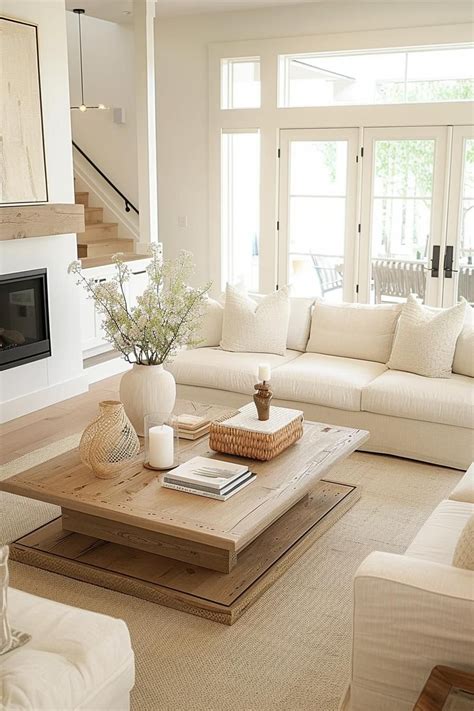
American living rooms span a diverse architectural landscape, from historic brownstones and suburban colonial homes to sleek coastal condos and modern high-rise apartments. Choosing a sofa set that complements your home’s inherent character creates a cohesive and inviting atmosphere. Mid-century modern designs, characterized by clean lines, tapered wooden legs, and tailored cushions, remain a favorite for their ability to keep smaller spaces looking airy and uncluttered.
For those leaning toward a more relaxed, casual vibe, modern farmhouse and transitional styles offer deep seating, plush cushions, and neutral textured fabrics that invite you to unwind. Meanwhile, contemporary minimalist silhouettes work wonderfully in urban settings where bold geometric shapes and low-profile frames make a quiet architectural statement. The key is ensuring that your chosen style does not clash with fixed architectural elements like exposed brick, molding, or large picture windows, but instead bridges the gap between your walls and your decor.
Choosing the Right Configuration: Sectionals vs. Traditional Sets
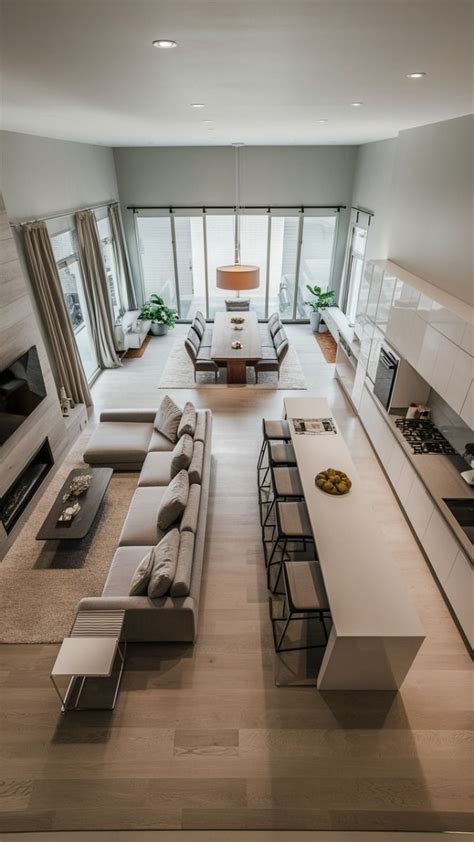
One of the first major structural decisions is choosing between a sprawling sectional sofa or a classic pairing, such as a full-size sofa matched with a loveseat or accent chairs. Sectionals are exceptional for open-concept floor plans common in contemporary American architecture. They naturally define conversation zones in large, multi-use rooms and offer unmatched lounging space for movie marathons or family gatherings.
On the other hand, traditional sofa and loveseat configurations offer superior flexibility when rearranging furniture or moving between homes. If your living room features an awkward layout, multiple doorways, or a prominent fireplace flanked by windows, separate seating pieces allow you to float furniture or adjust angles far more easily than a fixed L-shaped or U-shaped sectional. Consider your long-term living arrangements and traffic flow patterns before committing to a permanent layout.
Selecting Durable Fabrics and Materials for Real-Life Households
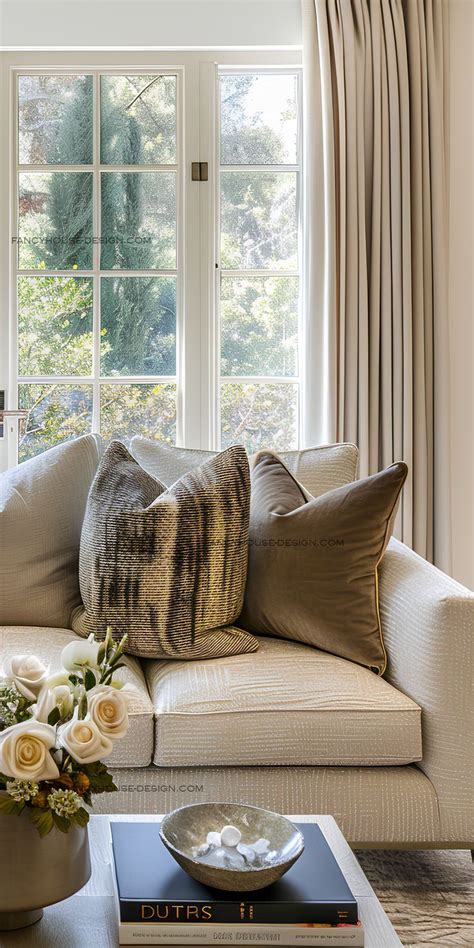
A sofa can look breathtaking on a screen or in a showroom, but its true value is revealed through daily wear and tear. Households with pets, children, or frequent guests require performance fabrics that resist stains, moisture, and snagging. Performance wovens, tightly textured synthetics, and genuine top-grain leathers are enduring favorites for active U.S. living rooms because they clean easily and maintain their structural integrity over years of heavy use.
Conversely, if your living room is a formal, low-traffic space reserved for quiet reading or hosting adult guests, you might opt for luxurious natural fibers like heavy cotton-linen blends, velvet, or textured chenille. Keep in mind how natural light impacts upholstery color as well. Rooms with intense, direct sunlight through large south-facing windows benefit from fade-resistant solution-dyed fabrics to prevent premature discoloration and maintain rich color depth.
Mastering Room Dimensions and Spatial Planning
Nothing disrupts a home makeover faster than a brand-new furniture delivery that blocks a heating vent, impedes a doorway, or overwhelms the room’s proportions. Before browsing online or visiting a showroom, take precise measurements of your living room. Map out not just the perimeter walls, but also ceiling height, window clearance, and the path delivery workers will need to navigate through hallways and stairwells.
A reliable spatial planning trick used by interior designers is taping out the footprint of the prospective sofa set directly on your floor using blue painter’s tape. Live with this taped outline for a few days to test walking paths and ensure you can comfortably maneuver around coffee tables and sideboards. Additionally, pay attention to seat depth and back height; high-backed sofas can visually crowd a small room, while low-profile options keep sightlines open and make compact spaces feel significantly larger.
Frequently Asked Questions
What sofa set styles are currently popular in U.S. living rooms?
Current popular styles lean heavily toward transitional, mid-century modern, and casual contemporary designs. Homeowners favor clean silhouettes, neutral textured performance fabrics, and modular configurations that adapt easily to changing lifestyle needs and diverse architectural layouts.
How do I choose between a sectional and a traditional sofa and loveseat set?
Choose a sectional if you have a spacious open-concept room and prioritize maximum lounging space and natural room zoning. Opt for a traditional sofa and loveseat combination if you need layout flexibility, have a smaller room, or anticipate moving into a different home in the near future.
What fabrics are best for high-traffic or pet-friendly living rooms?
Performance wovens, microfibers, and treated leathers are ideal for busy households. They resist stains, withstand claws, and clean easily with mild soap and water, ensuring your investment stays fresh despite heavy daily use.
How can I ensure a new sofa set fits properly in my specific living room layout?
Always measure your room’s dimensions and map the furniture footprint on your floor using painter’s tape before purchasing. Furthermore, check the diagonal depth and width of your home’s entryways, stairwells, and hallways to guarantee smooth delivery.