When your living space starts to feel a bit stagnant, the instinct is often to plan a massive overhaul. However, transforming your home environment rarely requires tearing down walls, buying entirely new furniture, or spending thousands of dollars. Across typical American houses and apartments, the most inviting interiors often evolve through small, thoughtful adjustments rather than dramatic construction projects. Whether you are bound by strict rental lease agreements or simply lack the time for a full-scale room redesign, focusing on micro-updates can completely alter how a room feels.
Achieving a refreshed look is all about editing what you already own, improving lighting, and introducing texture through intentional styling choices. By targeting specific high-impact zones like coffee tables, blank walls, and lighting fixtures, you can achieve a designer-curated aesthetic with minimal effort. This guide explores practical, budget-conscious strategies designed to elevate your American home without the stress, mess, or high costs of a traditional renovation.
Layer Your Lighting to Instantly Shift the Mood
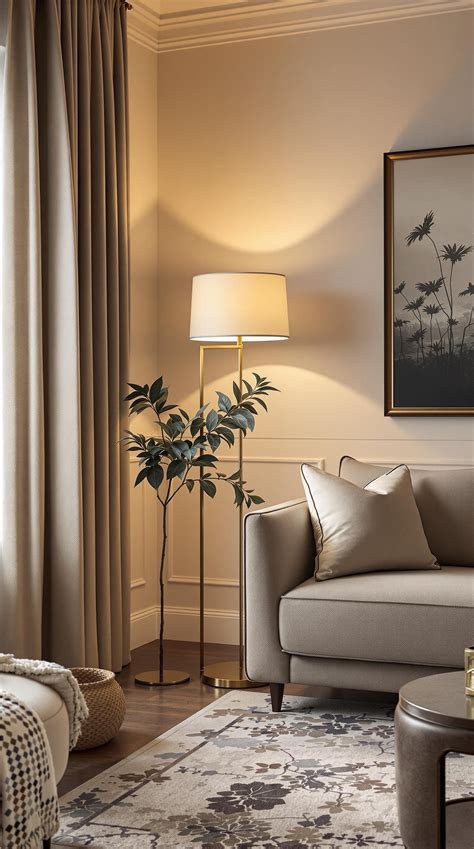
Overhead builder-grade lighting is one of the quickest ways to make a living room or bedroom feel flat and uninspired. Many American homes rely heavily on a single central ceiling fixture, which casts harsh shadows and flattens the room’s dimension. Shifting toward a layered lighting approach introduces warmth, creates cozy focal points, and makes any space feel more custom and intentional.
You can easily fix this by introducing warm-toned table lamps, floor lamps, and even battery-operated wall sconces that require zero hardwiring. Place lamps at varying heights throughout the room—perhaps a task lamp on a side table and a taller arc lamp in a dim corner. Switching out harsh daylight bulbs for warm white bulbs (around 2700K) instantly softens the atmosphere, creating an inviting glow that makes the entire room feel more welcoming and sophisticated.
Style Surfaces with Purpose, Not Clutter

Flat surfaces like coffee tables, sideboards, and bookshelves often turn into dumping grounds for mail, remote controls, and daily clutter. Transforming these areas into intentional display zones is one of the fastest ways to make your home look polished. Instead of filling every square inch of surface area, embrace the power of negative space to let your favorite items breathe.
A reliable formula for styling a coffee table or console involves combining items of varying heights, textures, and materials. Group a stack of hardcover books with a small decorative tray, a sculptural object, and a small vase filled with seasonal stems or eucalyptus. This creates visual interest without looking overcrowded. Remember to keep functional items out of sight in decorative baskets or bowls, ensuring your surfaces remain both beautiful and practical for everyday living.
Swap Textiles for an Immediate Seasonal Refresh
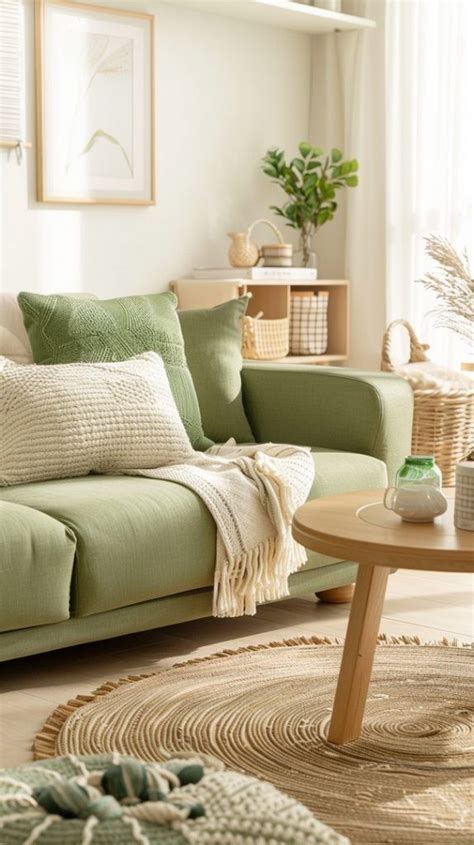
Textiles are the easiest medium for changing the entire color palette and tactile feel of a room without committing to permanent purchases. As the seasons shift from heavy winter fabrics to light summer weaves, rotating your throw pillows, blankets, and area rugs instantly revitalizes your space. This approach is especially beneficial for renters who cannot change wall colors or flooring.
Look for slipcovers, cushion covers, and lightweight throws that complement your larger furniture investments. If your living room features a neutral gray or beige sofa, you can easily warm it up in the autumn with rust-colored velvet pillows or cool it down in the spring with crisp linen textures. Investing in quality pillow inserts while swapping only the outer covers keeps storage requirements low and decorating costs manageable year-round.
Bring the Outdoors In with Greenery and Botanicals
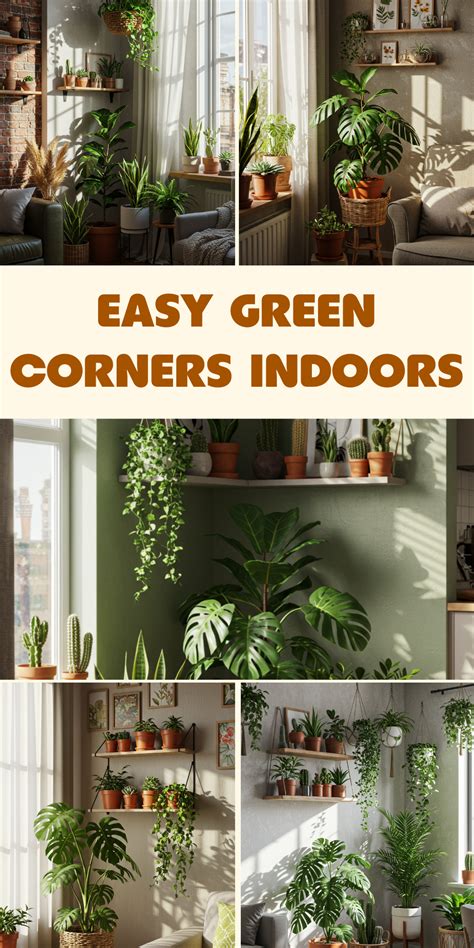
Adding living elements to your interior decor infuses the space with natural color, texture, and a sense of life that manufactured decor simply cannot replicate. Plants act as organic sculptures that soften rigid architectural lines and corners. Even if you do not consider yourself gifted with a green thumb, there are plenty of resilient indoor plants that thrive with minimal attention in typical American indoor environments.
Consider placing tall potted plants like a snake plant or a fiddle-leaf fig in empty corner spaces that need visual weight. For tabletops, small potted succulents, pothos vines, or even a simple glass vase with fresh-cut grocery store eucalyptus can make a dramatic difference. If natural light is sparse in your home, high-quality faux botanicals offer the same sculptural benefit without requiring watering or sunlight.
Hang Wall Art Fearlessly with Rental-Friendly Solutions
Blank walls can make a home feel temporary and unfinished, yet many homeowners and renters hesitate to hang art because they fear damaging drywall or measuring incorrectly. Fortunately, modern hanging solutions have eliminated the need to patch large holes or stress over permanent placement mistakes. Heavy-duty adhesive strips and picture-hanging hooks designed for drywall make gallery walls completely accessible.
When curating a wall display, choose artwork or photography that reflects your personal travels, memories, or preferred aesthetic rather than generic mass-produced prints. Lay your frames out on the floor first to test the composition before transferring them to the wall. Mixing frame finishes—such as pairing natural light wood with matte black metal—adds character and prevents the display from looking too uniform or sterile.
Frequently Asked Questions
How can I update my home decor on a tight budget?
The most cost-effective way to update your decor is to shop your own home first by rearranging furniture, repurposing items from other rooms, and clearing out visual clutter. Once you have edited your space, small low-cost investments like new pillow covers, warm lighting bulbs, or a houseplant can deliver a major visual impact for very little money.
What are the best ways to decorate a rental without damaging walls?
Renters can personalize their spaces safely by using adhesive wall strips for hanging lightweight frames and art. Additionally, focus your decorating efforts on freestanding furniture, area rugs, interchangeable textiles, layered lighting, and tabletop styling, which require no permanent alterations to walls or floors.
How do I make a small room feel larger without remodeling?
To make a compact room feel more spacious, maximize natural light by keeping windows unobstructed and using multiple light sources at different heights. Incorporate mirrors to reflect light around the room, choose low-profile furniture that does not block sightlines, and maintain a streamlined color palette to reduce visual clutter.
How often should I change my home decor?
There is no strict timeline for updating home decor, but many homeowners and renters enjoy a seasonal refresh by swapping out lightweight textiles and natural botanicals. For major pieces like sofas or rugs, opting for timeless, neutral foundations allows you to keep core items for years while updating smaller accessories as your taste evolves.