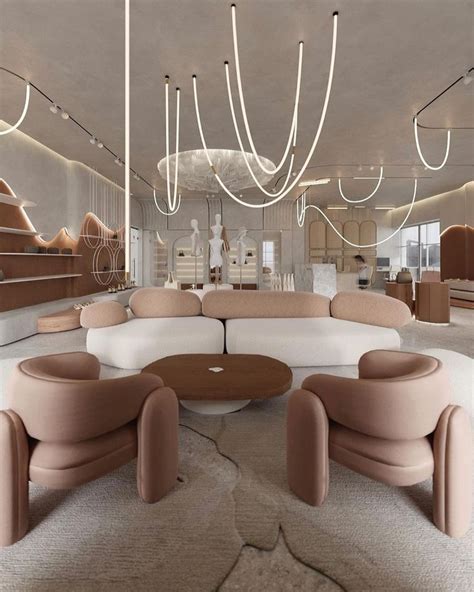
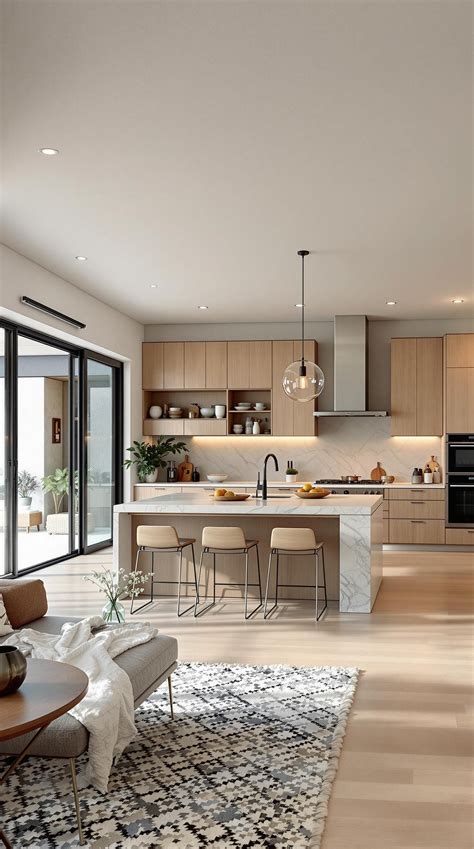
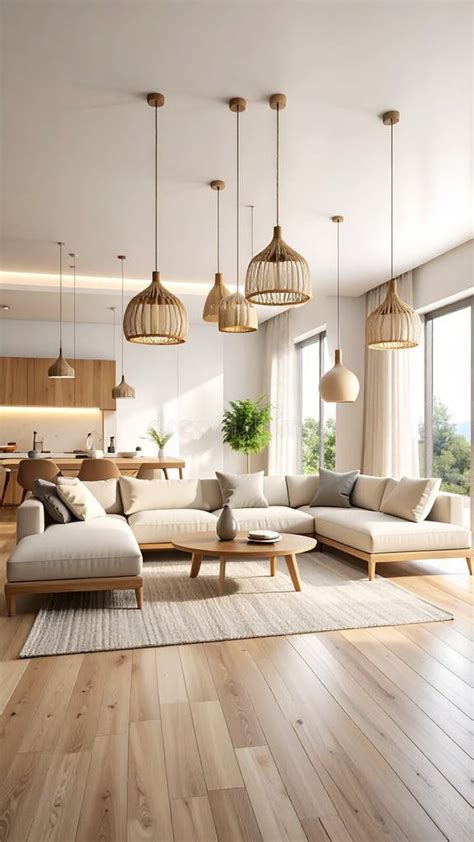
Designing a compact living room requires a careful balance between aesthetic appeal and everyday utility. In many modern American apartments and urban townhomes, square footage is at a premium, which means every single design choice must serve a distinct purpose. Rather than simply squeezing standard furniture into a tight area, successful small-space design relies on smart scaling, versatile layouts, and visual tricks that trick the eye into perceiving a more expansive environment. Whether you are dealing with a narrow urban footprint or a cozy suburban starter home, modern interior strategies can completely redefine how your living area functions.
To help you unlock the full potential of your compact room, we have curated ten modern, highly practical design approaches. These strategies focus on maximizing your layout without compromising on personal style, ensuring your home remains comfortable, welcoming, and entirely uncluttered.
1. Embrace Multifunctional Furniture Pieces
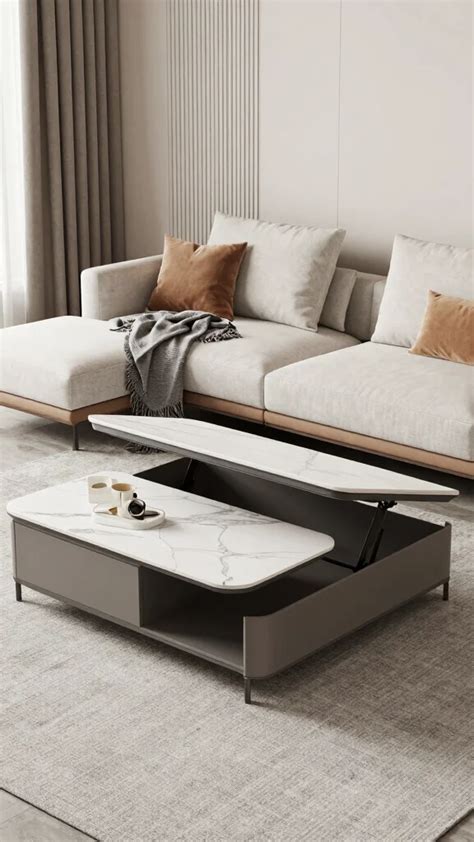
When square footage is limited, traditional single-purpose furniture often consumes valuable floor space without offering enough return on investment. Opting for multifunctional pieces is one of the most effective ways to maintain a clean aesthetic while adding hidden utility to your living room. Consider introducing a storage ottoman that doubles as extra seating or a coffee table surface, or a sleek media console with deep cabinets to conceal everyday household items.
Sleeper sofas and modular sectionals with built-in pull-out compartments have also evolved significantly in modern design, offering sophisticated silhouettes that do not sacrifice comfort. When selecting these pieces, pay close attention to the visual weight of the furniture. Items with exposed legs or slender metal and wood frames allow light to pass underneath, making the entire room feel much more open and breathable compared to heavy, floor-grazing items.
2. Leverage Strategic Vertical Space
Floor space is finite in small living rooms, but walls often provide plenty of untapped opportunities for storage and visual interest. Drawing the eye upward helps emphasize the height of the room rather than its limited width, creating an immediate sense of grandeur. Install floating shelves or tall, slender bookcase units that extend close to the ceiling line to store books, art, and decorative accents.
Hanging artwork or mirrors slightly higher than standard eye level can similarly elongate the walls. When styling vertical storage, be careful not to crowd every single inch with objects. Leaving intentional negative space prevents the walls from feeling heavy or chaotic, preserving the clean lines characteristic of modern interior design.
3. Choose a Cohesive, Light-Reflecting Color Palette
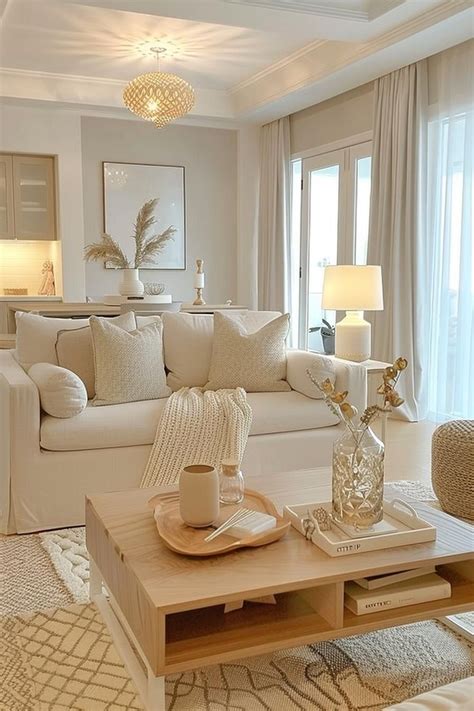
Color has a profound psychological and visual impact on how we perceive spatial boundaries. Soft, neutral color palettes featuring warm whites, soft grays, beige, and muted earth tones naturally bounce natural light around the room, making walls appear to recede. This simple adjustment creates an airy backdrop that prevents compact living areas from feeling dark or confined.
If you prefer a bolder aesthetic, you do not have to abandon color entirely. Incorporate deeper hues through easily swappable textiles, such as throw pillows, blankets, or an accent chair, while keeping the main architectural walls light and neutral. This approach lets you experiment with current trends without permanently shrinking the visual volume of the room.
4. Install Multi-Layered Lighting Solutions
Relying solely on a single overhead light fixture can cast harsh shadows and make small living rooms feel flat and uninviting. Modern lighting design emphasizes layering multiple sources of illumination at different heights to create depth, warmth, and dimension. Combine ambient ceiling lighting with functional task lamps and soft accent lighting to wash walls in a gentle glow.
Sleek wall sconces are particularly useful in tight spaces because they eliminate the need for bulky floor or table lamps, freeing up valuable surface area on side tables and consoles. Choosing warm LED bulbs further enhances the cozy, welcoming atmosphere essential for a relaxing residential environment.
5. Incorporate Large-Scale Mirrors to Expand Horizons
One of the oldest tricks in the interior design book remains one of the most effective for modern compact spaces: strategically placing mirrors. A large floor-length mirror or an oversized wall mirror positioned opposite a window will instantly reflect natural light and duplicate the field of view, creating the convincing illusion of an expanded room.
When choosing a mirror for a modern living room, look for minimalist frames in black metal, brushed brass, or natural wood that complement your existing decor. Avoid overly ornate or heavy frames that can clutter the visual field and distract from the clean, streamlined look you want to achieve.
6. Opt for Transparent and Open-Frame Furniture
Heavy, opaque furniture can visually chop up a small room, making it feel disjointed and cramped. Incorporating transparent materials, such as acrylic or glass coffee tables and side tables, allows light and sightlines to flow uninterrupted across the entire space. Because these pieces visually disappear into the room, they provide functional surface area without adding visual clutter.
Similarly, wire-frame chairs and open-base sofas allow you to maintain a sense of openness. This design strategy is especially helpful in open-concept floor plans where the living room flows directly into the kitchen or dining area, ensuring a seamless, uncluttered transition between different zones.
7. Streamline Window Treatments for Maximum Light
Heavy, dark draperies can absorb natural sunlight and make window frames look smaller than they actually are. To maximize brightness and give your living room a clean, modern finish, opt for lightweight linen curtains, sheer panels, or minimalist roller shades. Hang curtain rods several inches above the window frame and extend them slightly past the glass to create the illusion of larger, grander windows.
Allowing maximum daylight to flood the room not only improves your mood but also visually expands the boundaries of the space. If privacy is a primary concern, dual-layer window treatments allow you to filter harsh glare during the day while maintaining privacy at night without sacrificing style.
8. Implement Intentional Decluttering and Minimalist Styling
In a compact living room, clutter accumulates quickly and can instantly make the entire area feel chaotic and cramped. Adopting a curated approach to styling means every decorative item on display should have a clear purpose or personal significance. Instead of cluttering shelves with dozens of small knick-knacks, choose a few statement decor pieces of varying heights and textures.
Closed storage bins, woven baskets, and concealed console cabinets provide practical homes for everyday items like remote controls, chargers, and children’s toys. Maintaining clear surfaces gives the eye a place to rest, reinforcing the calm, orderly atmosphere of a modern home.
9. Scale Your Seating to Fit the Room Footprint
One of the most common mistakes in small living room design is attempting to force an oversized sectional into a compact floor plan. Before purchasing any major furniture piece, measure your room carefully and map out the layout using painter’s tape on the floor. Often, a sleek sofa paired with a couple of lightweight accent chairs or floor poufs offers much more flexibility than a bulky, fixed sectional.
Leaving space around the perimeter of your furniture arrangement prevents the room from feeling blocked off. Upholstered benches or stools can also be tucked neatly under console tables when not in use, ready to be pulled out whenever guests visit.
10. Anchor the Space with a Properly Sized Area Rug
A common misconception is that small rooms do not need area rugs, or that rugs should be tiny to match the small floor area. In reality, a rug that is too small can actually make the living room look disjointed and cramped by floating awkwardly in the middle of the floor. Choose an area rug large enough so that at least the front legs of your major seating pieces rest comfortably upon it.
A well-proportioned rug anchors the entire seating arrangement, defining the living zone within an open-plan apartment and adding warmth and texture underfoot. Light-colored rugs with subtle geometric patterns or neutral textures can also help brighten the floor plane and enhance the feeling of space.
Frequently Asked Questions
How can I make a small living room look bigger?
To make a small living room look bigger, maximize natural light with sheer window treatments, incorporate large-scale mirrors, choose a light and neutral color palette, and select furniture with exposed legs that allow light to pass underneath.
What furniture works best in a compact living room?
Multifunctional furniture, such as storage ottomans, nesting tables, and sleeper sofas, works best in compact rooms because they offer high utility without increasing your overall furniture footprint.
How do I arrange furniture in a tight living room space?
Avoid pushing all your furniture directly against the walls, as this can sometimes create an awkward dead zone in the center. Instead, float your seating slightly inward, ensure clear pathways for walking, and choose appropriately scaled pieces that leave breathing room around the edges.
Can renters use these modern small living room ideas?
Yes, almost all of these ideas—such as strategic furniture placement, area rugs, lighting adjustments, and freestanding storage—are completely renter-friendly and require no permanent architectural changes.