Few interior aesthetics evoke the same sense of immediate comfort, heritage, and relaxed hospitality as the modern farmhouse style. When anchoring a living room, furniture selection plays a pivotal role in establishing that welcoming ambiance without sacrificing everyday utility. Investing in a cohesive farmhouse coffee and end table set instantly pulls a seating arrangement together, offering a balanced foundation of rustic wood textures and durable structural framing. Whether your home leans toward a traditional rustic country feel or a cleaner transitional modern farmhouse look, coordinating your central coffee table with matching or complementary end tables creates visual harmony that feels both intentional and effortless.
Yet, curating the right set involves more than simply selecting the most charming finish in a showroom catalog. Homeowners and renters must carefully weigh spatial proportions, material composition, and daily lifestyle demands. A massive trestle-style coffee table might overwhelm a compact urban apartment, while a delicate pedestal set could look lost in an expansive open-concept suburban living area. Furthermore, understanding how to transition these pieces from bare utility to beautifully styled focal points ensures your living room remains warm, inviting, and entirely functional for daily life.
Defining Characteristics of Farmhouse Living Room Tables
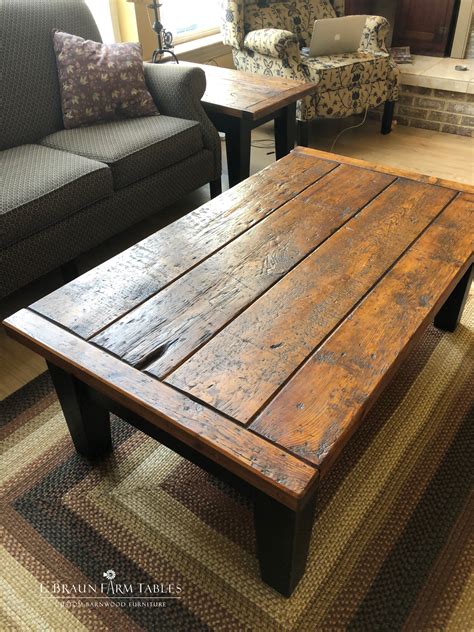
The enduring appeal of farmhouse furniture lies in its celebration of honest craftsmanship, visible grain patterns, and structural integrity. Authentic-looking pieces often feature distressed pine, weathered oak, or reclaimed timber surfaces that proudly display knots, saw marks, and natural imperfections. These tactile qualities prevent a room from feeling sterile, introducing an organic warmth that synthetic laminates simply cannot replicate. Hardware also plays a major role, with matte black iron brackets, bolted metal corners, or sliding barn-door accents adding subtle industrial contrast to warm wooden tones.
Beyond aesthetics, a true farmhouse coffee and end table set is built for real-life usage rather than delicate display. Sturdy block legs, thick tabletops, and lower storage shelves make these pieces exceptionally practical for active households. Many modern interpretations incorporate functional elements like hidden drawers for remote controls or lift-top mechanisms that temporarily elevate the coffee table surface for working or casual dining. When evaluating these characteristics, consider how the natural finish will weather over time, as authentic wood surfaces often develop an even richer patina with age and gentle use.
Navigating Scale and Proportions in Your Space
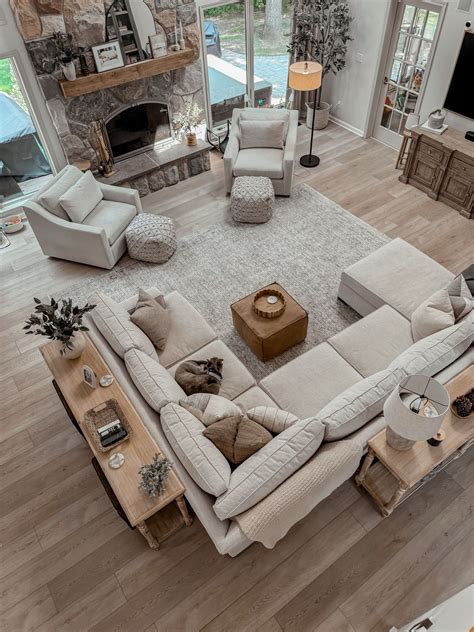
Spatial planning is the single most critical factor when introducing a multi-piece table set into your living room layout. The primary coffee table should sit comfortably within reach of your sofa, generally leaving about 14 to 18 inches of clearance for easy leg movement. For safety and traffic flow, ensure there is at least a 30-inch pathway around the entire perimeter of the furniture grouping. If you are working with a smaller room, look for coffee tables with open metal bases or glass inserts, as these designs allow light to pass through and prevent the floor area from feeling overcrowded.
End tables require an equally thoughtful approach to scale, particularly regarding the height of your sofa or armchair arms. Ideally, an end table should stand roughly even with or slightly lower than the armrest it accompanies, making it convenient to set down a beverage or reading lamp without awkward reaching. In compact living rooms, consider nesting end table sets that can be tucked away when not in use. Conversely, expansive living spaces benefit from substantial square or rectangular end tables that balance the visual weight of large sectional sofas and oversized armchairs.
Matching Versus Coordinating: Finding the Right Balance
One of the most common dilemmas shoppers face is deciding whether to purchase a packaged three-piece set or curate individual tables that share similar design DNA. Matching sets consisting of a coffee table and two identical end tables offer instant cohesion, eliminating guesswork and creating a polished, formal look. This approach works exceptionally well in symmetrical living room layouts or traditional spaces where balanced visual weight provides a calming sense of order and predictability.
On the other hand, mixing complementary pieces introduces layered character and prevents the living room from looking like a uniform furniture showroom. You might pair a weathered wood coffee table with matte black metal-frame end tables, or match wooden table tops with contrasting painted bases, such as antique white or slate gray. The secret to successful coordination lies in repeating at least one key element across the pieces—such as matching wood stains, identical metal hardware finishes, or similar leg profiles—to maintain a unified design narrative.
Creative Styling Strategies for Farmhouse Tabletops
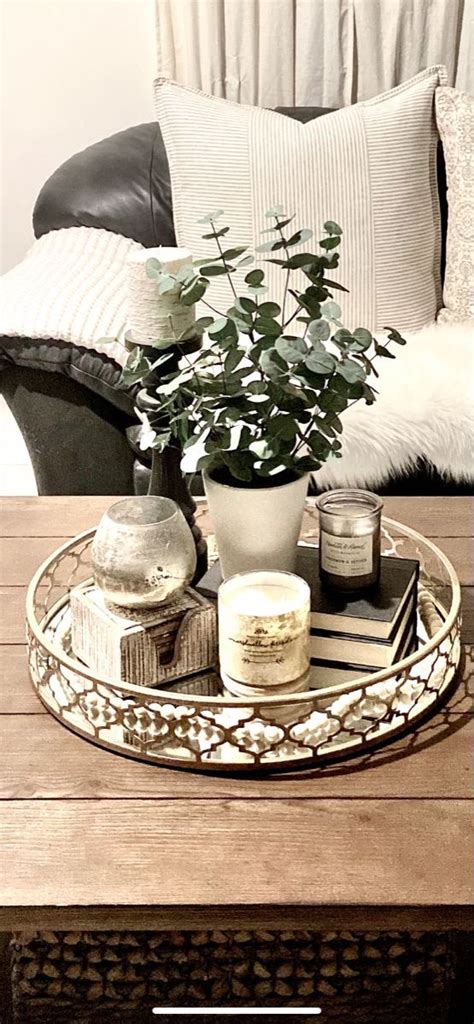
Once your farmhouse coffee and end table set is safely positioned in the room, the styling phase transforms raw furniture into a curated vignette. The golden rule of tabletop styling is to avoid overcrowding while embracing varied heights, textures, and shapes. On a rectangular coffee table, start with a low wooden or woven tray to anchor smaller items together. Inside the tray, place a small stack of hardcover books topped with a decorative object, such as a cast-iron trinket or a small ceramic vase holding dried botanicals or eucalyptus stems.
End tables require a more minimalist approach due to their smaller surface area, prioritizing function alongside form. A sturdy farmhouse end table is the ideal spot for a handsome reading lamp with a textured linen shade, which introduces vertical height and soft ambient lighting at night. Pair the lamp with a single meaningful item, like a vintage brass dish for keys or a small potted succulent. By keeping negative space in mind, your tabletops will feel thoughtfully arranged, lived-in, and visually serene rather than cluttered with unnecessary knick-knacks.
Frequently Asked Questions
What materials should I look for in a durable farmhouse table set?
Look for solid hardwoods like oak, pine, or acacia, or high-grade veneers over sturdy manufactured wood cores. If the set features metal elements, ensure they have a durable powder-coated finish to prevent chipping and scratching over time.
How do I protect a distressed wood coffee table from liquid rings and stains?
Most quality farmhouse tables come with a protective polyurethane or lacquer clear coat. To maintain this finish, always use coasters for beverages, place trivets under hot dishes, and wipe up spills immediately with a damp microfiber cloth.
Can a farmhouse table set work in a modern or contemporary living room?
Yes, absolutely. Transitional styling thrives on mixing genres. Pair a clean-lined farmhouse wood table with sleek modern seating, minimalist lighting, and neutral upholstery to create a balanced, sophisticated contemporary space.
What is the ideal distance between a sofa and a coffee table?
The ideal distance is generally between 14 and 18 inches. This leaves enough room to comfortably stretch your legs or walk past while keeping drinks and books easily within arm’s reach from any seat on the sofa.