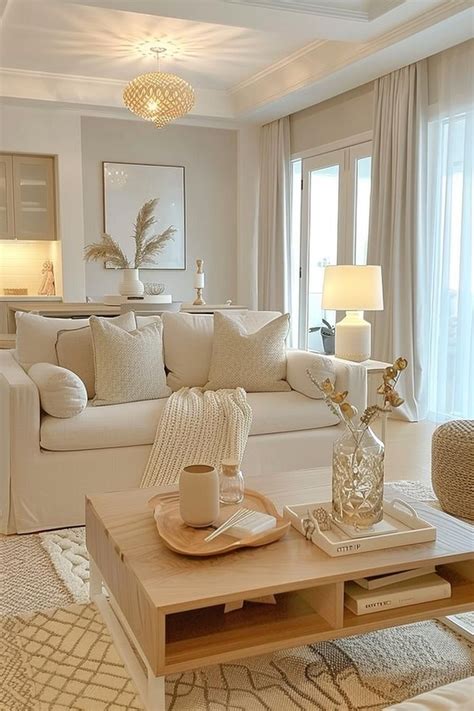
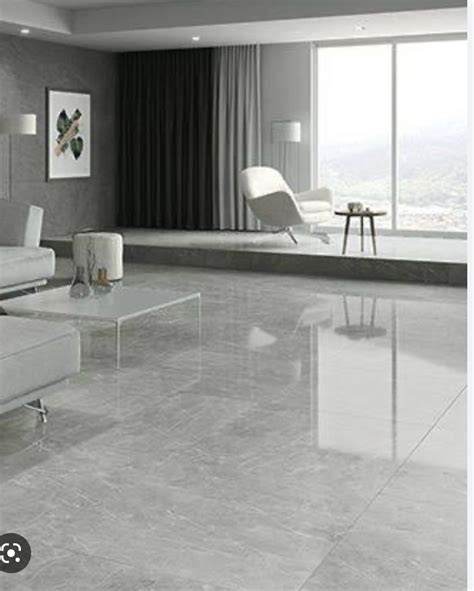
Grey tiles remain a perennial favorite in American interior design, offering a versatile foundation that effortlessly bridges contemporary minimalism and classic comfort. Whether you are planning a complete kitchen overhaul or updating a modest entryway, working with grey allows you to experiment with texture, pattern, and finish without overwhelming your space. However, because grey spans a vast spectrum from icy blue-greys to rich taupes, achieving a cohesive look requires careful planning regarding natural light, room scale, and surrounding materials.
Understanding how different finishes and undertones interact with your existing decor is the key to creating a home that feels warm and inviting rather than stark or industrial. By thoughtfully balancing your tile choices with complementary wood tones, hardware finishes, and textiles, you can design a functional surface that stands up to daily family life while elevating your home’s aesthetic appeal.
Decoding Undertones: Choosing Between Warm and Cool Grey Tiles
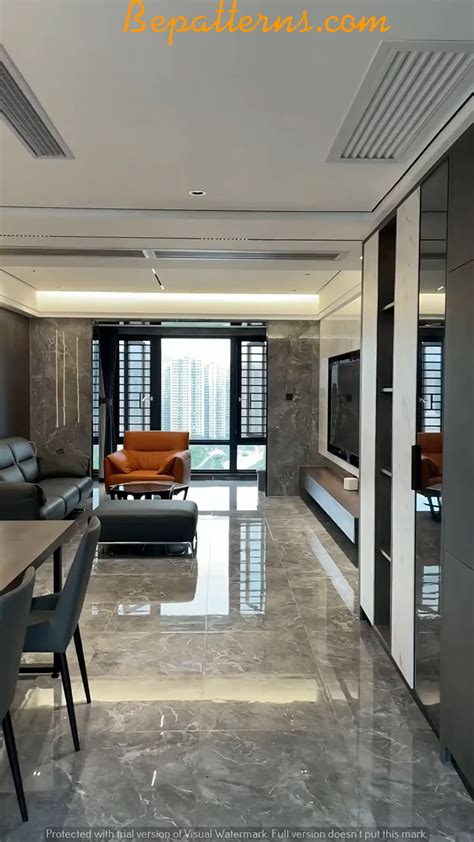
The secret to successfully incorporating grey tiles into any room lies in identifying their underlying tones. Cool greys feature hints of blue, green, or violet, making them an excellent choice for sun-drenched southern-facing rooms where they can help balance intense natural daylight. On the other hand, warm greys incorporate subtle brown, beige, or yellow pigments, often referred to as greige. These warmer variants harmonize beautifully with traditional American woodwork, earthy textiles, and south-facing or northern rooms that benefit from an added layer of coziness.
When selecting your tile, always bring physical samples home to view them under your specific lighting conditions throughout the day. Artificial lighting can dramatically shift how a grey tile reads on a wall or floor. Pairing a cool grey tile with bright white trim and polished chrome fixtures creates a crisp, modern atmosphere. Conversely, pairing a warm grey tile with brushed brass, matte black accents, and cream-colored walls introduces a softer, more grounded ambiance that feels welcoming and timeless.
Elevating the Kitchen with Grey Backsplashes and Floors
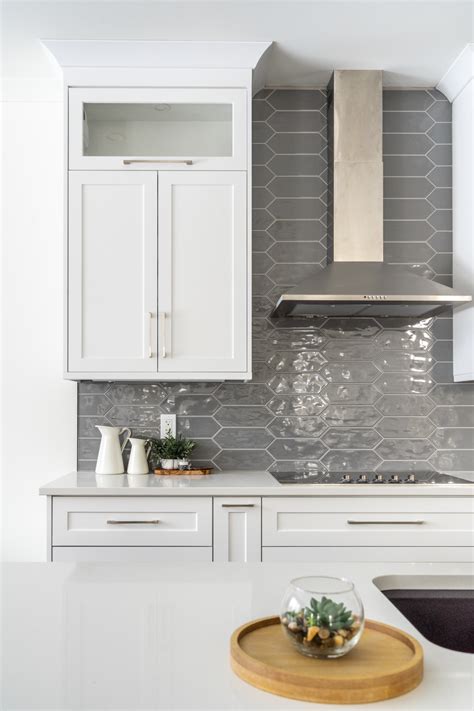
The kitchen is often considered the heart of the home, making it an ideal canvas for creative tile installations. A grey tile backsplash can anchor a busy cooking zone, providing a sophisticated backdrop that conceals minor splashes while tying together surrounding cabinetry and countertops. Glossy subway tiles in soft dove grey reflect natural light, making compact urban kitchens feel more expansive, while textured zellige or handmade-look tiles introduce organic movement and artisanal charm to transitional suburban homes.
For kitchen flooring, durability and slip resistance are paramount in high-traffic zones where cooking spills and dropped utensils are common. Large-format porcelain tiles in medium grey offer a seamless look with fewer grout lines to clean, making kitchen maintenance significantly easier. To prevent a large tiled floor from feeling cold, layer in warmth through a durable vintage-style runner rug, wooden barstools, or open shelving styled with ceramics and cookbooks.
Designing Functional and Spa-Like Bathrooms
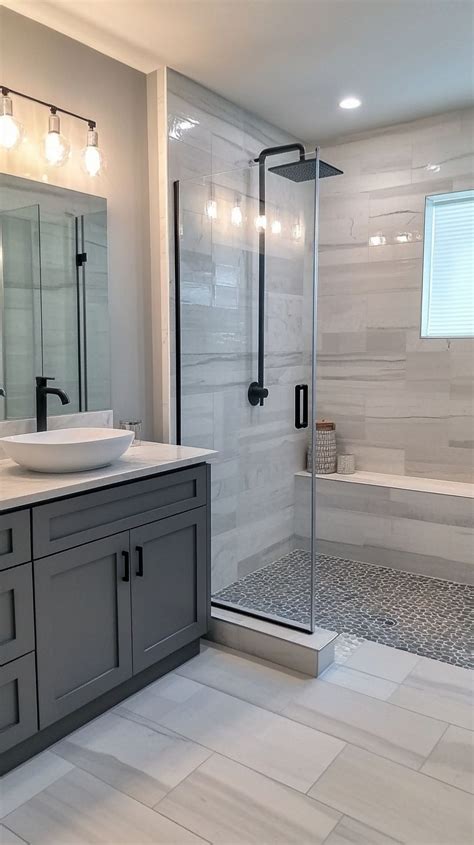
Bathrooms naturally lend themselves to tile surfaces, and grey serves as a soothing, spa-inspired foundation for morning routines and evening wind-downs. Incorporating grey tiles into a walk-in shower surround creates an immersive, cocoon-like retreat, especially when paired with pebble-textured shower pan tiles that provide extra traction underfoot. Matte porcelain or ceramic tiles with a stone-look finish offer the luxurious appearance of natural slate or limestone without the intensive maintenance required by porous stones.
Patterned cement or porcelain tiles featuring grey geometric or floral motifs are another popular choice for bathroom floors in American homes. These statement floors add personality and visual interest to powder rooms or master ensuites without requiring loud, permanent color choices on the walls. When using patterned grey tiles on the floor, keep the surrounding wall paint and vanity simple and monochromatic to let the pattern remain the focal point of the room.
Handling High-Traffic Areas: Entryways and Mudrooms
Busy households across the United States require durable, hardworking surfaces near exterior doors where boots, pet paws, and outdoor gear collect. Grey tiles are exceptionally well-suited for mudrooms and entryways because they naturally disguise everyday dust and dirt better than pristine white flooring. Opting for a textured matte or textured slate-effect tile ensures that wet winter snow or rainy spring weather will not turn your entryway into a slipping hazard.
To make a hardworking mudroom feel polished and intentional, consider pairing grey floor tiles with vertical shiplap walls painted in a complementary neutral tone, paired with sturdy iron coat hooks and a wooden bench. This combination of robust tile flooring and cozy architectural details ensures that the space functions efficiently for a busy family while maintaining a high-end design aesthetic right from the front door.
Grout Selection and Long-Term Maintenance
Selecting the right grout color can completely transform the final appearance of your grey tile installation. Choosing a matching grout color creates a seamless, uniform surface where individual tiles blend together to emphasize large, continuous planes. On the other hand, opting for a contrasting grout—such as a charcoal grout with light grey tiles or a crisp white grout with dark charcoal tiles—highlights individual tile shapes and adds a distinct graphic quality to the design.
Beyond aesthetics, practical maintenance matters for long-term satisfaction. Epoxy grout or properly sealed cement-based grouts resist staining from household spills, oils, and moisture in kitchens and baths. Routine cleaning requires little more than warm water and a pH-neutral cleaner, making grey tile surfaces a remarkably low-maintenance investment that preserves its sophisticated look through years of everyday use.
Frequently Asked Questions
How do I choose between warm and cool grey tiles for my home?
Evaluate the natural light in your room and your existing furnishings. Cool greys work wonderfully in bright, sunlit spaces by introducing a refreshing balance, while warm greys harmonize better with wooden furniture, beige tones, and rooms that receive less direct sunlight.
What colors pair best with grey tiles in American interior design?
Grey tiles pair exceptionally well with neutral palettes like crisp whites, warm beiges, and rich charcoals. For hardware and accents, warm metallics like brass and copper or modern matte black fixtures create striking visual contrast against grey surfaces.
Are grey tiles difficult to keep clean and maintain?
Not at all. In fact, medium and dark grey tiles are excellent at masking everyday dust and minor debris compared to pure white surfaces. Selecting quality porcelain or ceramic tiles combined with properly sealed grout ensures straightforward, long-term maintenance.
How can I prevent grey tiles from making a room look too cold or sterile?
You can easily warm up a grey-tiled space by incorporating natural textures such as wood cabinetry, woven baskets, plush area rugs, and warm metallic accents like brushed brass or copper hardware.