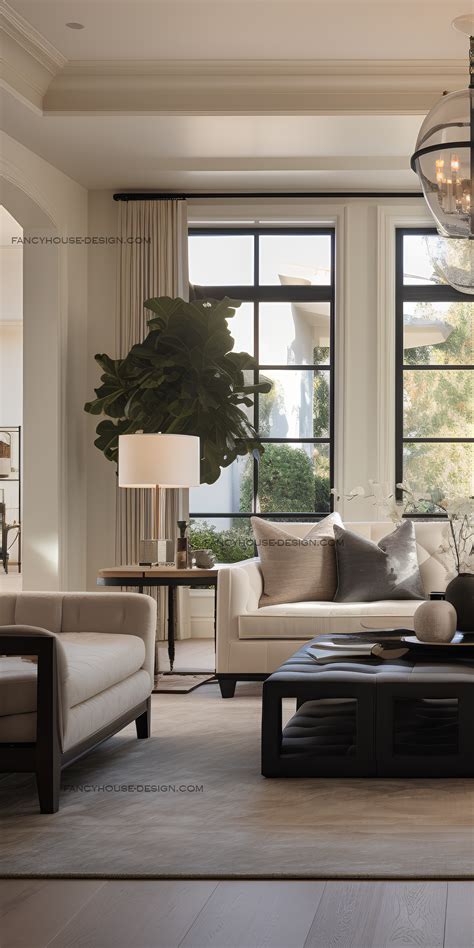
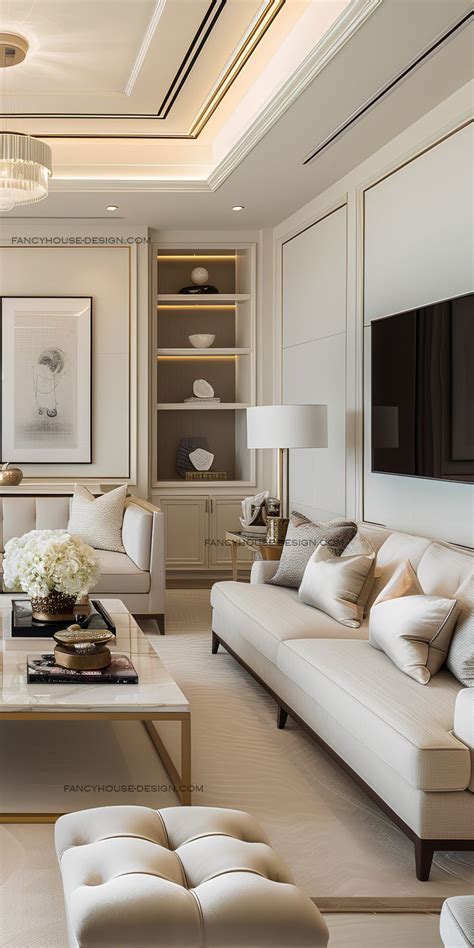
When homeowners across the United States plan a living room refresh, materials like hardwood, engineered planks, or plush wall-to-wall carpeting usually top the list. However, interior designers increasingly look toward versatile ceramic tile as a sophisticated, durable foundation for modern gathering spaces. Far from being restricted to moisture-prone kitchens and bathrooms, today’s ceramic tiles offer remarkable artistic depth, mimicking organic textures while providing exceptional climate resilience.
Bringing tile into the primary living area requires a thoughtful approach to warmth, scale, and layout pattern. Whether you want to anchor an open-concept suburban home with large-format neutrals or establish a dramatic focal point around a masonry fireplace, ceramic tile provides endless possibilities. Understanding how to balance these hard surfaces with soft textiles will help you create a living room that feels genuinely inviting rather than austere.
Embracing Wood-Look Ceramic Planks for Living Room Comfort
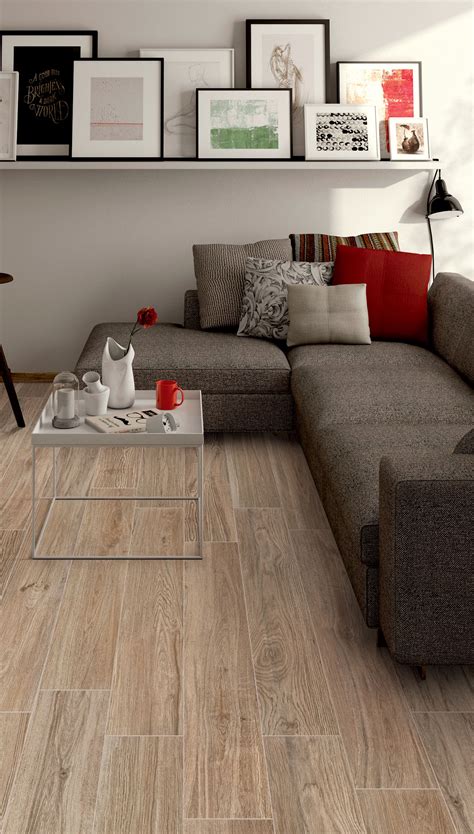
One of the most effective ways to introduce ceramic tile into a living room without sacrificing warmth is by choosing wood-look ceramic planks. These manufacturing marvels replicate the rich grain patterns, knot details, and tactile warmth of genuine oak, maple, or walnut while eliminating the susceptibility to scratches, dents, and moisture damage that traditional hardwood faces.
For bustling American households with active children or large pets, wood-look tile offers ultimate peace of mind during everyday play and entertaining. You can lay these elongated planks in classic staggered brick patterns or opt for a dramatic herringbone layout to instantly elevate the visual interest of a formal sitting area. Pairing this flooring with plush, oversized area rugs softens the room acoustically and delivers the cozy underfoot sensation expected in a relaxing lounge space.
Designing Captivating Fireplace Surrounds and Accent Walls
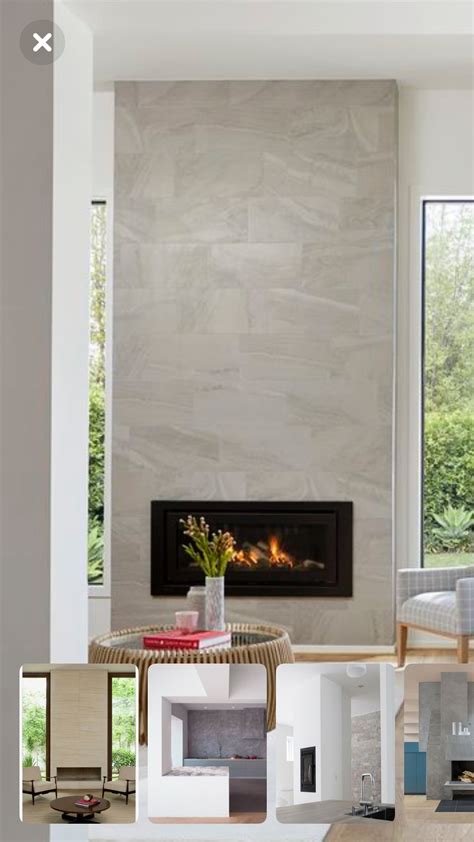
Vertical tile applications provide an incredible opportunity to showcase personal style in a living room. A striking ceramic tile accent wall or a meticulously crafted fireplace surround draws the eye upward, establishing a commanding architectural focal point that anchors the entire room layout.
Matte-finished geometric tiles in soft earthy tones or glazed zellige-style squares introduce wonderful light reflection and tactile dimension. When styling around a tiled fireplace, keep surrounding furniture arrangements open to let the texture shine, utilizing warm wood media consoles or streamlined brass lighting fixtures to complement the ceramic details.
Mastering Scale: Large-Format Tiles for Seamless Modern Living
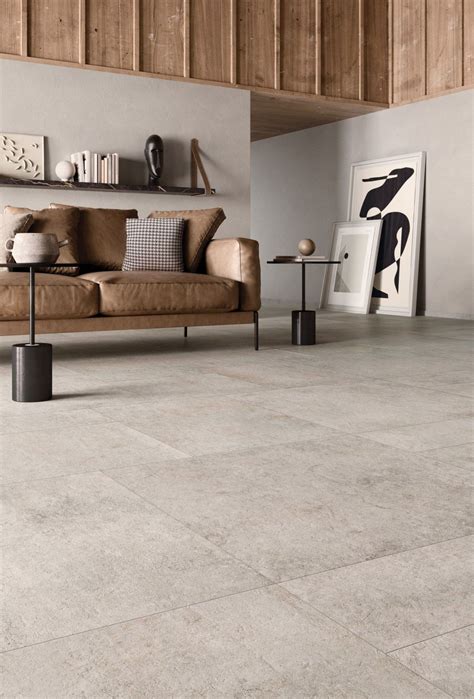
Scale plays a monumental role in modern interior architecture. Large-format ceramic tiles measuring 24×24 inches or larger reduce the number of grout lines across your living room floor, resulting in a clean, expansive aesthetic that makes compact urban apartments and sprawling suburban great rooms alike feel even more open and continuous.
Opting for soft neutral palettes—such as warm greige, limestone finishes, or subtle concrete looks—creates a tranquil backdrop for contemporary furniture. These oversized tiles reflect natural light streaming through large picture windows, brightening dark corners and establishing a cohesive, high-end atmosphere throughout the main living zone.
Practical Considerations for U.S. Homes: Climate, Comfort, and Maintenance
While ceramic tile brings undeniable visual appeal and durability to living spaces, incorporating hard flooring into a primary lounging area requires careful planning regarding comfort and regional climate. In warmer southern states like Florida, Texas, or Arizona, naturally cool ceramic tile acts as a welcome climate-control asset, helping keep indoor living areas refreshingly temperate during peak summer months.
Conversely, in colder northern or Midwestern climates, unheated tile can feel chilly during winter. The most successful living room designs bridge this gap by installing radiant underfloor heating mats beneath the ceramic surface, pairing the installation with thick woolen area rugs, and incorporating upholstered furniture elevated on legs to maintain continuous airflow and visual lightness.
Frequently Asked Questions
Can ceramic tile actually look cozy in a living room?
Yes, ceramic tile can look and feel remarkably cozy when balanced with the right interior elements. Choosing wood-look planks, matte finishes, or textured designs prevents the space from feeling clinical. Layering plush area rugs, adding upholstered furniture, and incorporating warm wood accents easily transforms a tiled living room into an inviting haven.
What are the best ceramic tile trends for modern U.S. homes?
Current trends favor large-format neutral tiles for expansive, seamless flooring, wood-look planks laid in sophisticated herringbone patterns, and handmade-style zellige tiles used for dramatic fireplace surrounds and accent walls. Earthy tones and subtle tactile textures remain especially popular for contemporary American interiors.
Is ceramic tile cold, and how can it be made comfortable in living spaces?
Ceramic tile naturally retains a cooler temperature, which is wonderful in warmer climates but can feel chilly in northern winters. Homeowners often solve this by installing electric or hydronic radiant floor heating systems beneath the tile or by strategically placing high-pile area rugs in main seating zones.
How do you style a tile accent wall or fireplace surround?
When styling a tiled fireplace or accent wall, let the texture and pattern of the ceramic take center stage. Avoid overcrowding the wall with too many art pieces. Instead, complement the tile with simple, elegant mantel decor, integrated lighting to highlight the glaze or texture, and balanced furniture placement that directs focus toward the architectural feature.