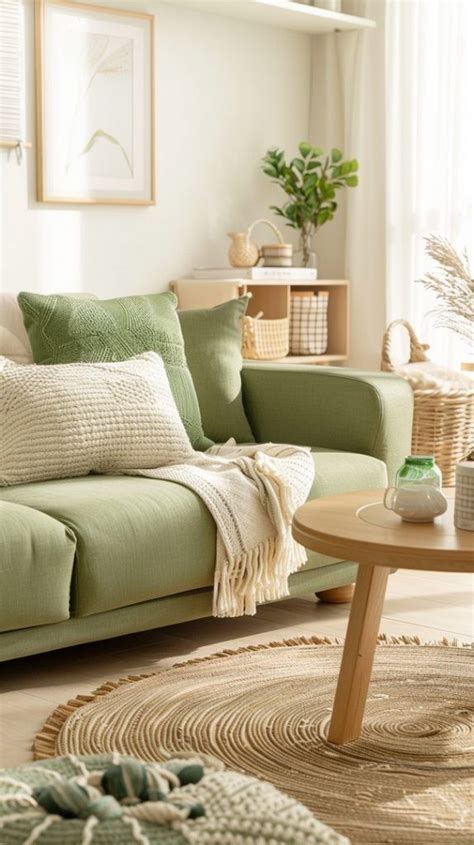
When planning a home renovation, selecting the right flooring foundation sets the tone for every other design decision you make. Among the vast array of materials available today, grey floor tiles remain a perennial favorite for American homeowners due to their exceptional adaptability, modern appeal, and understated sophistication. Whether you are updating a high-traffic entryway, a spacious open-concept kitchen, or a cozy bathroom retreat, grey porcelain flooring offers a durable and stylish canvas that effortlessly complements countless design schemes.
However, committing to a permanent flooring upgrade can feel overwhelming when browsing options solely on a computer screen. Digital images rarely capture the true undertones, slip resistance, or tactile finish of a physical tile. By understanding how to evaluate porcelain materials, selecting the ideal shade for your unique lighting conditions, and leveraging free tile samples delivered directly to your door, you can approach your home refresh with complete confidence and eliminate the guesswork from your remodeling project.
Why Porcelain is the Gold Standard for Home Flooring
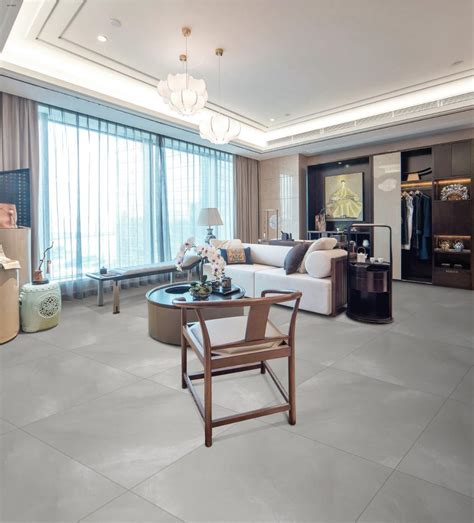
When comparing flooring materials, porcelain stands out as a superior choice over standard ceramic or natural stone, particularly for busy households. Porcelain is manufactured from finer clay, fired at much higher temperatures, and pressed under greater pressure. This intensive production process creates an exceptionally dense, hard tile that resists moisture absorption, scratching, and heavy foot traffic with remarkable ease.
Beyond its sheer durability, porcelain flooring requires very little maintenance compared to hardwood or porous stone alternatives. Routine sweeping and occasional damp mopping are generally all it takes to keep your grey floor tiles looking pristine for decades. This low-maintenance profile makes porcelain an especially smart investment for households with pets, children, or active outdoor lifestyles where dirt and moisture are frequently tracked inside.
Decoding Grey Tones and Finishes for Every Room
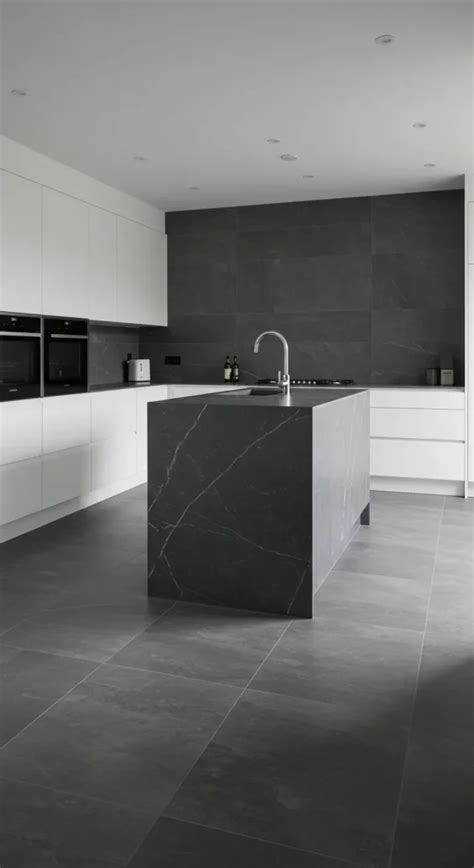
Grey is often misunderstood as a single, flat color, but in interior design, it operates as a remarkably complex neutral with countless cool and warm undertones. Light dove greys can visually expand a compact apartment living room by reflecting natural sunlight, while deep charcoal or slate tones add dramatic grounding energy to expansive kitchens and formal dining spaces. Evaluating how your chosen shade interacts with existing architectural elements is vital before making a final decision.
Surface finishes further dictate both the aesthetic impact and practical performance of your grey porcelain tiles. Matte finishes offer a subtle, contemporary look and superior slip resistance, making them a practical choice for bathrooms, mudrooms, and kitchens. Polished porcelain, on the other hand, features a mirror-like sheen that bounces light around dark corridors or windowless spaces, instantly introducing a touch of luxury and architectural polish to your interior layout.
How to Test Free Tile Samples in Your Actual Living Space
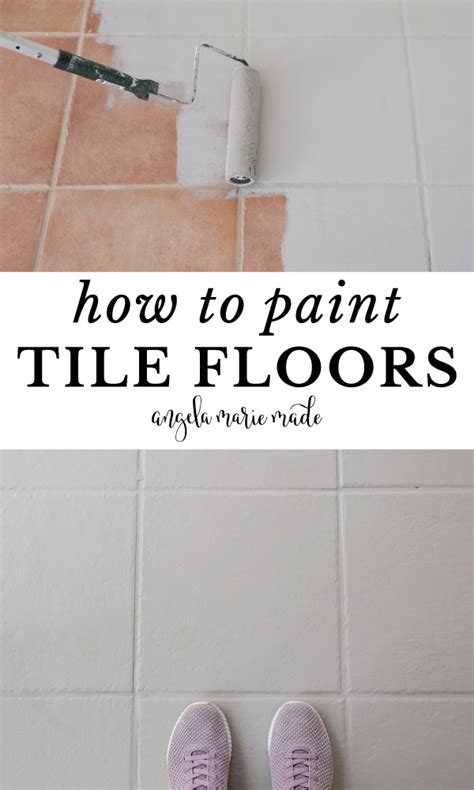
Ordering physical samples is arguably the most critical step in any flooring project, bridging the gap between digital inspiration and real-world execution. Many reputable tile suppliers offer free porcelain samples, allowing you to examine the material quality, weight, and edge rectification firsthand without financial risk. When your sample pieces arrive, resist the urge to judge them immediately inside the shipping box or under harsh retail lighting.
Instead, place your grey floor tile samples directly on your existing subfloor in the rooms you plan to renovate. Observe how the shade shifts throughout the day as morning sunlight transitions into moody evening lamplight. Compare the tile against your baseboards, kitchen cabinetry, and wall paint swatches. This hands-on evaluation process reveals hidden blue, green, or beige undertones in the grey material, ensuring that your final full-scale order harmonizes perfectly with your home’s lighting and decor.
Frequently Asked Questions
What is the difference between porcelain and ceramic floor tiles?
While both are made from clay and fired in a kiln, porcelain tile is denser, less porous, and more durable than standard ceramic. Porcelain absorbs very little water, making it suitable for both indoor high-moisture areas and exterior applications, whereas ceramic is typically best suited for indoor walls or low-traffic floors.
Are grey floor tiles difficult to keep clean?
Grey tiles are actually much easier to maintain than extremely dark or stark white flooring, as they tend to disguise everyday dust, pet hair, and minor footprints quite effectively. Regular sweeping and a gentle pH-neutral cleaner will keep them looking like new without intensive scrubbing.
How many free samples should I order?
It is generally wise to order two to four different samples representing variations in shade, undertone, and finish. This allows you to compare a light grey against a dark charcoal, or a matte finish against a polished surface, right next to your home’s actual furniture and wall colors.
Do free tile sample programs cover shipping costs?
Sample policies vary by manufacturer or retailer. While many companies offer the physical tile samples entirely free of charge, some may request a nominal shipping fee or provide free shipping once you reach a certain sample threshold or place a full flooring order.